
Fall garden cleanup is getting a timely fact check in Michigan. Michigan State University Extension–Macomb County has scheduled a one-hour class for September 29, 2026, built around a question many gardeners face as temperatures fall: which end-of-season chores genuinely protect a garden, which are optional, and which familiar rules may be myths?
The class is local, but the question has national relevance. Gardeners across the United States are balancing two legitimate goals. They want to remove material that could carry plant disease into next season, yet they also want to preserve leaves, stems, and undisturbed ground that can shelter beneficial insects. The right answer is rarely “clean everything” or “leave everything.” It depends on what is growing, whether disease was present, and where the material is located.
What the New MSU Extension Class Will Cover
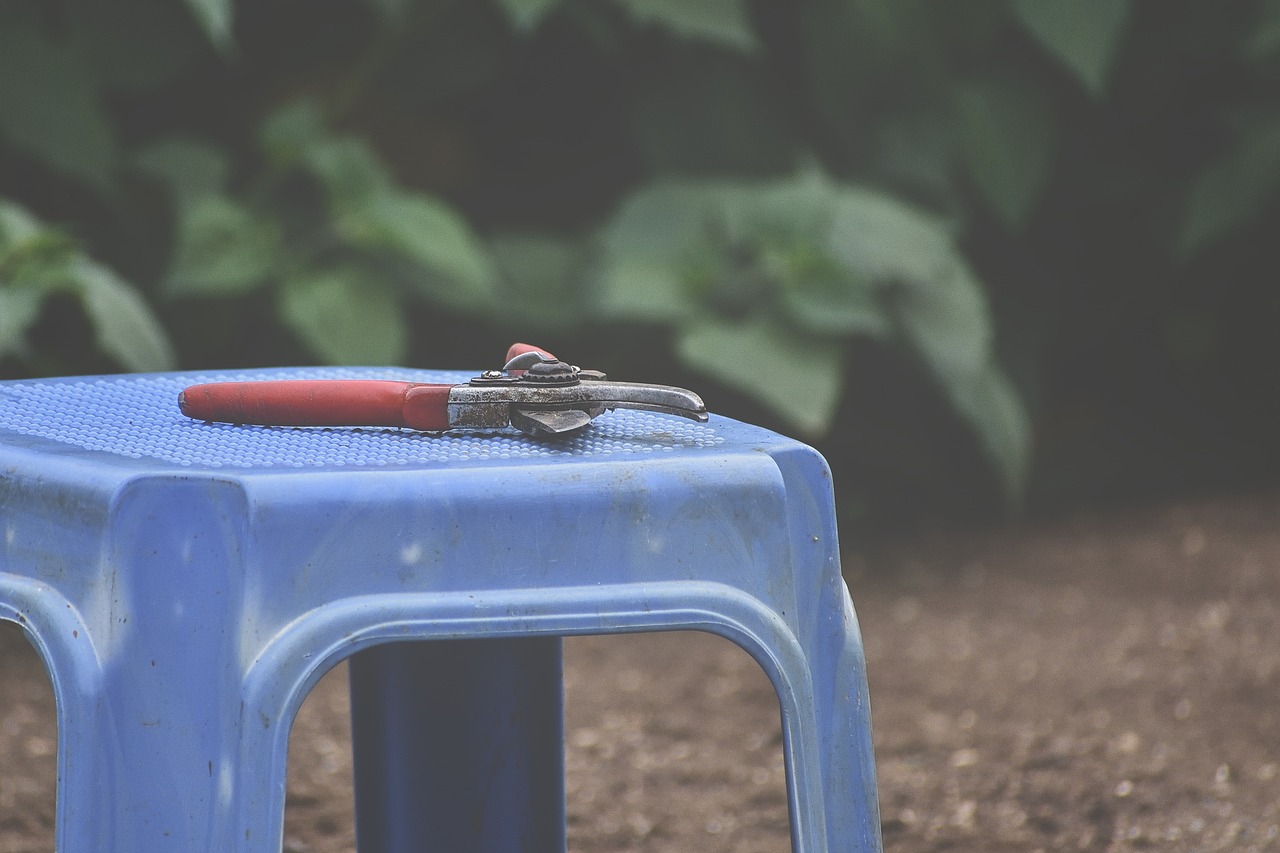
According to a September 16 report from the Macomb Daily, the program is titled “Fact or Fiction: The Fall Garden Clean Up To-Do List.” It is scheduled for 6–7 p.m. on Tuesday, September 29, at the MSU Extension Macomb County office in Clinton Township. Pre-registration is required, seating is limited, and the announced fee is $5.
David Lowenstein, a consumer horticulture educator and entomologist with MSU Extension, will lead the session. His listed specialties include integrated pest management, plant diagnostics, and ornamental grasses. Organizers say the class will separate critical cleanup jobs from optional work and common gardening myths.
The event announcement does not publish the full set of recommendations that Lowenstein will present. That distinction matters: gardeners should not treat social-media summaries or pre-event coverage as a substitute for the class itself. However, existing university Extension guidance provides a useful framework for deciding what to do while waiting for the detailed presentation.
The Core Question: Is the Material Healthy or Diseased?
The most practical first step is not to reach for a rake or pruner. It is to inspect the garden and separate healthy senescent growth from material showing clear disease or infestation. Healthy perennial stems and leaf litter can have habitat value. Diseased foliage and fruit may require removal so that a known problem is not carried into the next growing season.
Penn State Extension’s fall-cleanup guidance recommends removing and bagging diseased plants rather than leaving them in place. Its advice for vegetable beds is more sanitation-focused: clear diseased plants and dead or decaying material, then consider using healthy fallen leaves as a two- to three-inch layer that can break down and add organic matter before spring.
This produces a more useful decision than a blanket rule. If a tomato bed had a documented disease problem, leaving all of that plant debris is different from leaving healthy ornamental seed heads standing. If a perennial bed was healthy, stripping it to bare soil may remove habitat without solving a plant-health problem.
Why Some Leaves and Stems Are Worth Keeping
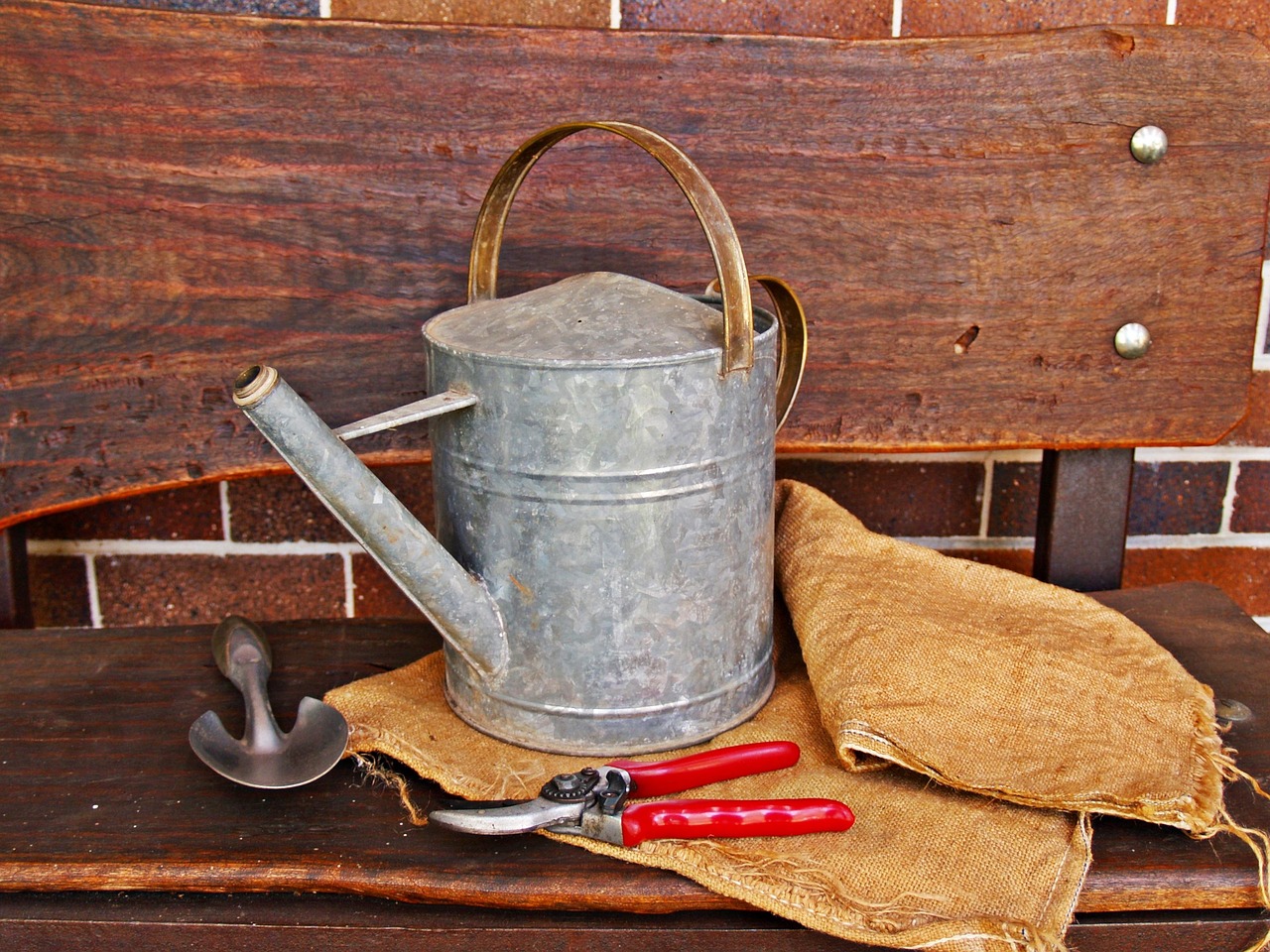
University guidance supports a more selective approach in areas managed for pollinators. The University of Minnesota Extension advises leaving some bare ground, fallen leaves, and brush piles for ground-nesting bees. It also notes that about 15% of bee species nest in cavities such as hollow plant stems, while about 80% nest in the ground.
For natural stem habitat, Minnesota Extension suggests that dead hollow stems can remain in the ground, cut to at least five inches, and be left for two years. That is a specific alternative to cutting every perennial flush with the soil and hauling the stems away. It does not mean every stem in every bed must remain untouched; it means gardeners can deliberately preserve habitat in selected areas.
Leaves require similar judgment. A thick, wet mat can smother turf, so moving leaves off a lawn may still be appropriate. In shrub borders and perennial beds, however, a moderate leaf layer can remain as habitat or be redistributed instead of automatically bagged. A rake is therefore best used as a placement tool—moving leaves to a useful part of the garden—rather than as a mandate to remove every leaf from the property.
When Cleanup Should Take Priority
Habitat-friendly gardening does not require ignoring disease. Penn State Extension advises removing diseased material and warns against moving contaminated tools directly from affected plants to healthy ones. Its plant-grooming guidance recommends bypass-style pruning tools for cleaner cuts and says tools used on diseased tissue should be disinfected before additional cuts.
For gardeners, this means cleanup can be targeted instead of total. Mark the plants that showed symptoms during the season. Remove affected foliage and fruit carefully. Keep questionable debris separate from material destined for a home compost pile unless local guidance says the composting process can manage that particular problem. Clean soil and debris from pruners, loppers, and shovels before storing them, and follow the disinfectant method recommended by the relevant Extension service and the product label.
If the cause of damage is uncertain, avoid diagnosing by appearance alone. Photograph the whole plant and close-up symptoms, note when the problem began, and contact a local Extension office or diagnostic service. Removing a healthy plant because normal fall senescence looked like disease is exactly the kind of unnecessary work a fact-versus-fiction approach is meant to prevent.
A Practical Tool Kit for Selective Fall Cleanup
A science-based cleanup does not demand a large equipment collection. It does benefit from using each tool for a defined job:
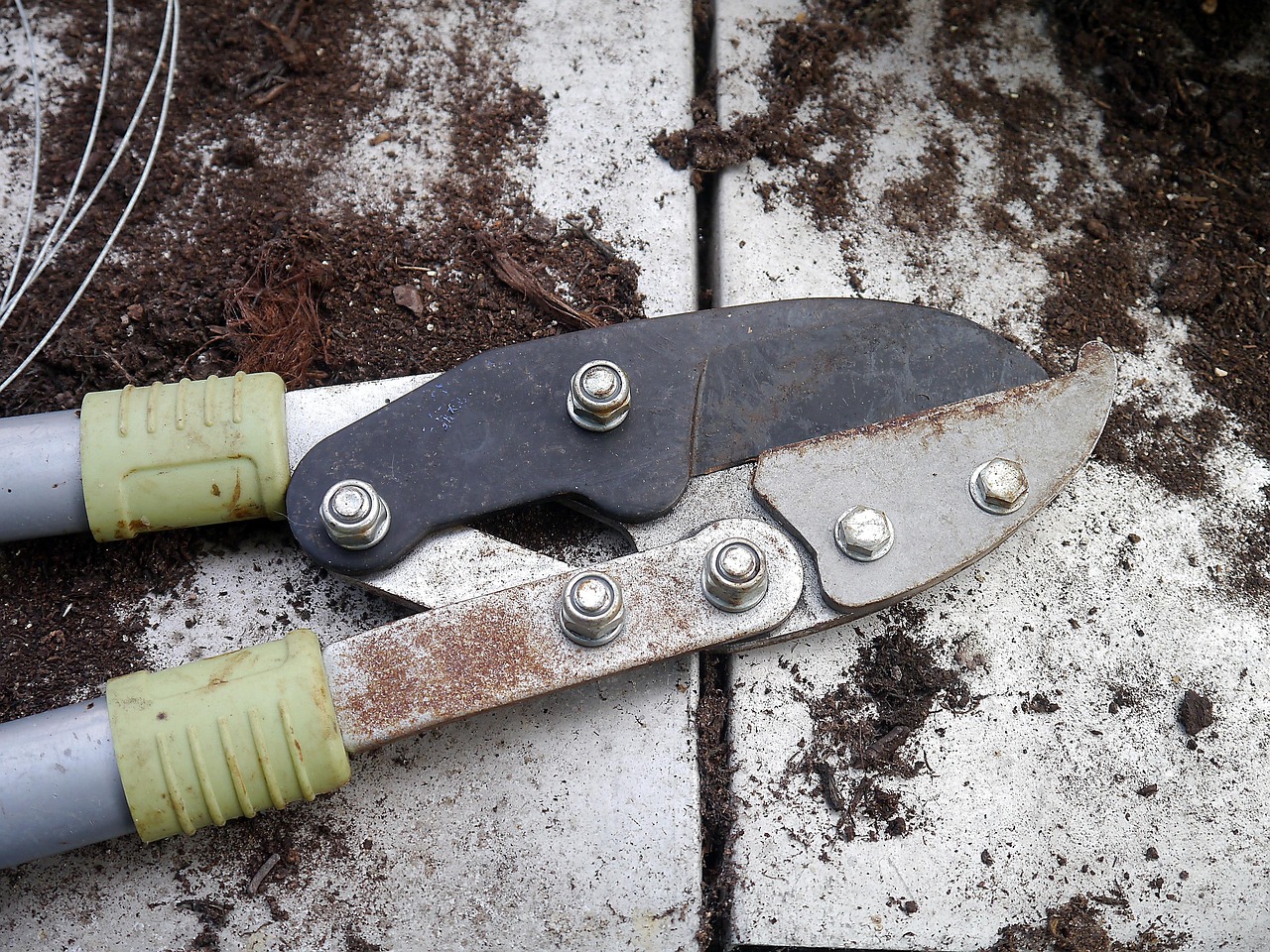
- Bypass hand pruners: Use them for small, deliberate cuts on stems that truly need removal. Clean blades between diseased and healthy plants.
- Loppers or a pruning saw: Match the tool to the branch diameter rather than forcing hand pruners through oversized wood. Leave high-risk or chainsaw work to a qualified professional.
- A leaf or garden rake: Move leaves off turf and hard surfaces, then redistribute suitable healthy leaves into beds or a managed compost system.
- Gloves and separate collection containers: Keep diseased or infested material apart from healthy leaves and stems.
- A hand lens, phone camera, and labels: Record symptoms before cleanup so a local expert has useful evidence for identification.
- A sharpening stone and cleaning supplies: Service tools before storage so they are ready for clean cuts next season.
The goal is not to use more tools. It is to avoid turning a fast cleanup into damage. Dull blades can crush stems, an oversized cut can strain a small pruner, and an uncleaned tool can carry contaminated material from one plant to another.
A Five-Step Fall Cleanup Plan
- Walk the garden before cutting. Identify vegetable beds, healthy perennial habitat, diseased plants, turf, and hard surfaces as separate zones.
- Remove confirmed problem material first. Isolate diseased foliage and fallen fruit so it is not mixed into habitat piles or ordinary mulch.
- Preserve habitat intentionally. Choose areas where healthy stems, some leaves, bare soil, or a small brush pile can remain without creating a safety or access problem.
- Move rather than automatically discard. Shift healthy leaves from lawns and walkways into suitable beds or a managed leaf pile where local recommendations allow.
- Clean, inspect, and store tools. Remove soil, check handles and fasteners, sharpen appropriate blades, and disinfect equipment used on diseased plants.
Local Conditions Still Decide the Timing
Extension advice is regional by design. Frost timing, rainfall, pest pressure, plant species, and municipal yard-waste rules vary widely across the United States. A Michigan event can raise the right questions without supplying one universal calendar for gardeners in Florida, Arizona, or the Pacific Northwest.
Use the MSU class as a prompt to consult the Extension service serving your own county or state. Local experts can help determine whether a symptom is a known regional disease, whether a plant should be cut back now or in spring, and how invasive or regulated plant material must be discarded.
The Bottom Line
The news behind the September 29 MSU Extension class is not that fall cleanup should stop. It is that cleanup deserves a diagnosis and a purpose. Remove material when sanitation, safety, or access requires it. Preserve healthy leaves and stems where they provide habitat. Use clean, correctly sized tools, and verify uncertain plant problems before acting.
That selective approach turns a generic chore list into better garden management—and may save gardeners from doing work that offers little benefit.
Sources

Dedicated team of gardening enthusiasts with years of hands-on experience testing lawn mowers, gardening tools, and outdoor equipment. We help home gardeners and professionals alike make informed buying decisions with honest, thorough reviews. From push mowers to pruning shears, we test it all so you don’t have to. Got a gardening tool you’d like us to review? Get in touch!