
To cut boxwood shrubs effectively, you must use sharp, sterilized hand shears to make clean, precise cuts that promote healthy growth. Regular pruning helps maintain your plant’s desired shape while preventing inner foliage from thinning out. By following these professional techniques, you can ensure your evergreen hedges remain dense, vibrant, and perfectly manicured all year.
Achieving a crisp, formal look requires more than just high-quality lawn care equipment or outdoor power tools. While electric trimmers are tempting for large hedges, manual hand tools often provide better control for detailed shaping. Understanding the natural growth cycle of your shrubs is essential for avoiding damage and ensuring the plant recovers quickly after every trim.
This comprehensive guide covers the best tools to use, the ideal timing for pruning, and step-by-step instructions for achieving a professional look while ensuring the plant remains vigorous. We will walk you through practical home gardening methods that simplify maintenance. Get ready to transform your landscape with these expert tips for healthy, beautiful, and well-maintained boxwood shrubs.

The Best Time to Prune Boxwood Shrubs
Timing is the most critical factor in maintaining the health and vigor of your boxwood shrubs. Pruning at the wrong time can leave the plant vulnerable to disease, winter damage, or stunted development. To ensure your shrubs remain lush and resilient, you must align your maintenance schedule with the plant’s natural growth cycle.
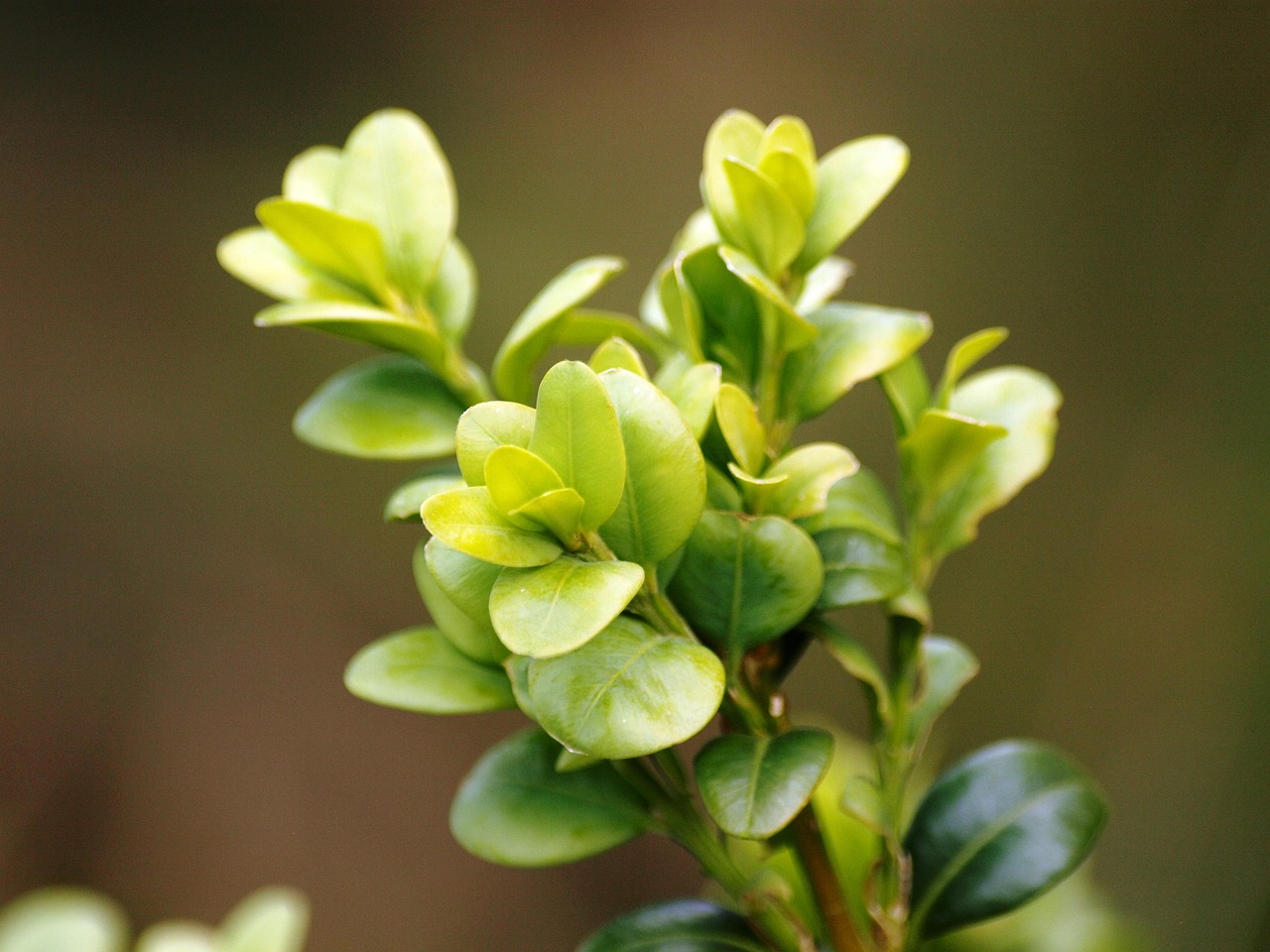
The ideal window for pruning boxwood is in late spring. Wait until the danger of frost has completely passed and the plant has begun its active growing season. You should specifically look for the emergence of “new growth”—the light green, soft foliage that appears at the tips of the branches. It is best to wait until this new growth has begun to harden and darken slightly before picking up your hand shears.
Pruning too early in the spring can expose tender inner foliage to late-season frost, which causes unsightly browning and dieback. By waiting until the plant is actively growing and the weather has stabilized, you ensure the shrub has enough energy to recover quickly from the cuts you make.
Conversely, you must strictly avoid pruning in late autumn. This is a common mistake that can have severe consequences for your garden:
- Triggers new growth: Pruning signals the plant to produce new shoots. If you cut in the fall, the plant will push out soft, vulnerable growth just as temperatures begin to drop.
- Susceptibility to cold: This late-season growth does not have time to harden off before the first deep freeze. Consequently, these delicate tips will likely be killed by winter temperatures, leading to dead, brittle branches that ruin the shrub’s appearance.
- Increased stress: Winter damage forces the plant to expend significant energy repairing itself in the spring instead of focusing on healthy, structural growth.
For the best results, keep your garden maintenance routine focused on the late spring window. If you notice a stray, unruly branch during the summer, minor touch-ups with sharp, sterilized hand pruners are generally acceptable. However, avoid heavy shaping or deep cuts once the heat of mid-summer sets in. By respecting these seasonal boundaries, you protect your boxwoods from unnecessary stress and ensure they remain a healthy, evergreen focal point in your landscape for years to come.
Essential Tools and Safety Gear
Achieving a professional-looking boxwood requires the right equipment. Using improper or dull tools can tear the foliage, leading to jagged edges that invite pests and fungal diseases. Equipping yourself with the correct gear ensures your shrubs remain healthy and aesthetically pleasing throughout the growing season.
For high-quality boxwood maintenance, keep these essential tools on hand:
- Sharp Hand Pruners: Use high-quality bypass pruners for selective thinning. These allow you to reach deep into the canopy to remove dead branches or improve airflow, which is critical for preventing boxwood blight.
- Hedge Shears: Long-bladed manual hedge shears are ideal for shaping the outer surface of the shrub. Ensure the blades are sharp to achieve clean, crisp cuts rather than crushing the leaves.
- Sanitization Supplies: Always keep a spray bottle of 70% isopropyl alcohol or a household disinfectant nearby. Wipe your blades between cuts, especially if moving from one shrub to another, to prevent the transmission of pathogens.
Safety is just as important as precision when working with dense shrubs. Boxwood branches can be surprisingly stiff and abrasive, and small clippings often fly toward the face during the shearing process.
Before you begin, prioritize your personal protection:
- Heavy-Duty Gardening Gloves: Select gloves made of reinforced leather or puncture-resistant synthetic materials. These provide a necessary barrier against the dense, scratchy interior of the shrub.
- Eye Protection: Safety glasses or goggles are non-negotiable. Small twigs and debris can easily flick into your eyes while you are shaping the exterior foliage.
- Long Sleeves: Wear a durable, long-sleeved shirt to protect your arms from scratches and potential skin irritation caused by boxwood sap or foliage.
Regular maintenance of your tools is the final step in responsible gardening. Before starting, check that your shear tension is adjusted correctly—the blades should glide past each other without binding. If your tools feel stiff or sticky, clean the blades with a wire brush to remove sap buildup, then apply a light coating of machine oil. By keeping your equipment clean and sharp, you ensure that every cut promotes rapid healing and vigorous growth, keeping your boxwoods in peak condition for years to come.

Step-by-Step Pruning Technique
Before you begin shaping, you must prepare the plant for healthy regrowth. Start by inspecting the shrub for any dead, damaged, or diseased wood. Using sharp, sterilized bypass pruners, cut these branches back to the main stem or the branch collar. Removing this material immediately improves the plant’s health and prevents the spread of potential pathogens.
Once the shrub is cleaned, focus on the interior. Boxwoods are naturally dense, which can trap moisture and limit light penetration. If the center becomes too crowded, it creates a stagnant environment that invites fungal diseases like boxwood blight. To remedy this, reach deep into the shrub and selectively remove a few branches to open up the interior canopy. This thinning process ensures that sunlight and air can circulate freely through the entire plant.
Now that the interior is clear, you can begin shaping the exterior. Whether you are using hand shears for precision or power hedge trimmers for larger hedges, the goal is to maintain a natural, slightly tapered form. A tapered shape—wider at the bottom than the top—allows sunlight to reach the lower branches, preventing the base from becoming thin or bare.
When making individual cuts, follow these guidelines to encourage dense, outward growth:
- Identify a leaf node—the point where leaves emerge from the stem.
- Make your cut approximately 1/4 inch above the node at a slight angle.
- Ensure the cut is clean and sharp to promote rapid healing.
Avoid “shearing” the entire surface indiscriminately, as this creates a dense outer shell that blocks light. Instead, use your hand tools to make precise cuts back to a leaf node. This technique forces the plant to branch out from the cut point, resulting in a fuller, more vigorous shrub. By working slowly and stepping back frequently to check your progress, you can achieve a professional, healthy shape without over-pruning. Always clean your blades with a solution of rubbing alcohol or a mild bleach mix between plants to maintain strict garden hygiene and prevent the accidental transfer of diseases.
Using Power Equipment Safely
When tackling large boxwood hedges, manual shears can quickly become exhausting. Electric or gas-powered hedge trimmers are excellent for maintaining extensive topiary or long rows of shrubs, as they provide clean, rapid cuts that keep the foliage dense. However, because these tools operate at high speeds, safety must be your absolute priority.
Before you begin, perform a thorough inspection of your equipment. If you are using a corded electric trimmer, check the entire length of the power cable for nicks, cracks, or exposed wiring. Never operate a tool with a damaged cord, as this poses a significant shock hazard. For gas-powered models, ensure the fuel tank is secure and the air filter is clean to prevent overheating.
Preparation of your workspace is equally vital. Clear the base of the boxwood of any loose debris, such as rocks, thick branches, or stray garden tools, which could be kicked up by the machine or cause you to trip. Always ensure you have a stable, level footing before engaging the blade. If you are using a ladder, ensure it is positioned on firm ground and never overreach; move the ladder instead of leaning away from your center of gravity.
Follow these essential safety protocols while operating power trimmers:
- Keep hands clear: Always keep both hands on the designated handles. Never reach toward the blade path, even if you see a stray twig that needs clearing.
- Maintain awareness: Be conscious of where your power cord is at all times to avoid accidental cutting.
- Protect your senses: Power trimmers are loud and generate fine dust particles. Always wear impact-resistant safety goggles, a dust mask or respirator, and high-quality ear protection.
- Stay focused: Never operate power equipment when you are tired or distracted. If you need to clear a jam, always turn the machine off and disconnect the power source or remove the battery before touching the blades.
By treating your power equipment with respect and maintaining a clear, organized workspace, you can achieve professional-looking results on your boxwood hedges while keeping yourself safe from injury. Always prioritize control over speed, especially when shaping the top or corners of your shrubs.
Maintenance Tips and When to Seek Help
Proper post-pruning care is essential to help your boxwood shrubs recover quickly and maintain their health. Immediately after trimming, ensure the soil around the base remains consistently moist, especially during dry spells. Applying a two-inch layer of organic mulch, such as shredded bark or pine needles, helps retain soil moisture and suppresses weeds. However, keep the mulch a few inches away from the main stem to prevent rot and discourage pests.
If you notice yellowing leaves, it is often a sign of environmental stress, poor drainage, or nutrient deficiency. Before applying fertilizers, perform a soil test to ensure the pH is within the ideal range of 6.5 to 7.0. Avoid heavy nitrogen fertilizers in late summer, as this encourages soft, new growth that is highly susceptible to winter damage.
Vigilance is your best defense against disease. Boxwood blight is a serious fungal infection characterized by dark leaf spots, stem cankers, and rapid defoliation. If you suspect blight, do not compost the infected material. Instead, bag it securely and dispose of it with your household trash to prevent the spread of spores. Always sanitize your hand pruners and shears with a solution of one part bleach to nine parts water between cuts to avoid cross-contaminating healthy plants.
While routine maintenance is manageable for most home gardeners, some situations require specialized intervention:
- Severe Overgrowth: If a boxwood has become excessively woody or lost its shape over many years, aggressive pruning can leave large, permanent gaps. A professional can use selective thinning to rejuvenate the plant without ruining its structural integrity.
- Antique Specimens: Historic or heirloom boxwoods are irreplaceable. If you are working with a mature, large-scale hedge or a specimen plant of significant age, consult a certified arborist. They possess the expertise to prune these plants in a way that preserves their historical value and long-term health.
- Persistent Disease: If you cannot identify the cause of persistent yellowing or dieback despite proper watering and soil care, professional diagnostic services can prevent the loss of your entire landscape investment.
By combining consistent maintenance with the right tools—such as sharp, bypass hand pruners for precision and clean cuts—you can keep your boxwoods dense, healthy, and vibrant for decades.

Dedicated team of gardening enthusiasts with years of hands-on experience testing lawn mowers, gardening tools, and outdoor equipment. We help home gardeners and professionals alike make informed buying decisions with honest, thorough reviews. From push mowers to pruning shears, we test it all so you don’t have to. Got a gardening tool you’d like us to review? Get in touch!