
You can effectively catch gnats from plants by using yellow sticky traps or creating simple apple cider vinegar lures. These methods quickly reduce adult populations, preventing them from laying more eggs in your moist soil. By targeting both the flying adults and the larvae, you can reclaim your indoor greenery and outdoor garden spaces.
While these pests are primarily a nuisance, they often signal that your soil remains too damp for your plants’ health. Achieving a total solution requires more than just traps; it involves adjusting your watering habits and improving drainage. Understanding these environmental factors is crucial for long-term control and maintaining a thriving, pest-free home garden.
In this guide, we explore practical, chemical-free strategies to stop these pests from damaging your garden and disrupting your home environment. From utilizing essential gardening tools to implementing reliable maintenance routines, we provide actionable steps to protect your plants. Discover how to identify, treat, and prevent future infestations with our expert, easy-to-follow advice.

Identifying the Problem and Source
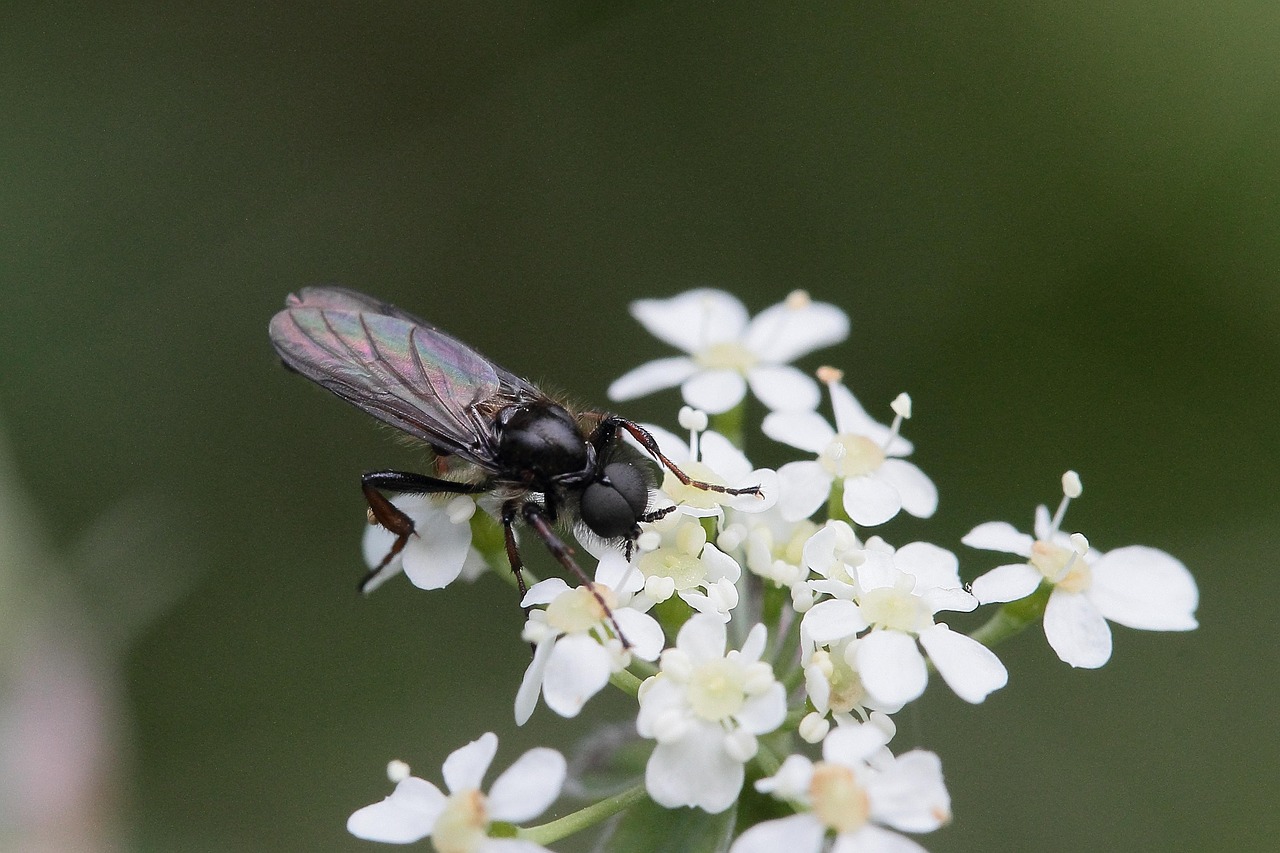
Before you reach for heavy-duty outdoor power equipment or complex pest control solutions, you must confirm you are dealing with fungus gnats. These tiny, dark-winged insects are often mistaken for fruit flies, but their behavior and habitat differ significantly. If you see small, mosquito-like flies hovering near the soil surface of your indoor plants, you are likely looking at fungus gnats.
Fungus gnats thrive in environments where moisture is abundant. Their primary food source is the fungus, algae, and decaying organic matter found in damp potting soil. If you notice these pests, it is a clear indicator that your watering habits may be keeping the soil consistently too wet, creating an ideal breeding ground.
To confirm the infestation and pinpoint the source, perform these simple checks:
- The Soil Surface Test: Gently disturb the top layer of soil with a small hand tool or your finger. If gnats suddenly fly up, that specific pot is likely the primary source of the infestation.
- Yellow Sticky Trap Test: Place small yellow sticky cards near the base of your plants. Fungus gnats are attracted to the color yellow. If you catch several adults within 24 hours, you have confirmed their presence.
- Check Drainage: Inspect the bottom of your pots. If water is pooling in decorative saucers, it provides the perfect damp environment for larvae to mature.
Once you have identified the infested plants, isolate them immediately from your healthy collection. Because fungus gnats do not fly well, they tend to stay close to the container where they hatched. By isolating these plants, you prevent the gnats from migrating to other pots in your home.
Pay close attention to plants that have been recently repotted or those that have poor drainage. If you have been using organic fertilizers or compost, these can sometimes harbor fungus gnat eggs or larvae, making them a common source of new infestations. By identifying the specific plants affected, you can target your maintenance efforts effectively without needing to treat your entire indoor garden. Remember, the most practical approach to garden maintenance is to allow the top two inches of soil to dry out completely between waterings; this simple step disrupts the life cycle of the gnats and makes your plants far less attractive to them.
Setting Up Effective Physical Traps
Yellow sticky traps are one of the most effective, non-toxic methods for managing fungus gnat populations. These insects are naturally attracted to the color yellow, which mimics the appearance of bright flowers or foliage. By utilizing these traps, you can capture adult gnats before they have the chance to lay more eggs in your potting soil, effectively breaking the reproductive cycle.
To achieve the best results, placement is critical. Follow these steps to maximize your capture rate while protecting your plants:
- Position near the base: Place the trap as close to the soil surface as possible. Fungus gnats spend the majority of their time near the damp soil where they breed, so traps placed high up in the foliage will be significantly less effective.
- Secure with stakes: Use the provided garden ties or small wooden stakes to keep the trap upright. Ensure the sticky surface is facing the plant stem, but be careful that the adhesive does not touch the leaves or flowers, as this can cause damage to delicate tissue.
- Avoid overcrowding: If you have a large plant, one or two traps are sufficient. Placing too many traps can make it difficult to water the plant or perform routine maintenance without getting stuck yourself.
- Monitor and replace: Check your traps every few days. Once the surface is covered with gnats, the trap loses its effectiveness and should be replaced. If you see a high volume of insects, you may need to replace them weekly until the population declines.
While these traps are excellent for monitoring and reducing adult populations, they do not kill the larvae living inside the soil. For a comprehensive approach, combine the use of sticky traps with cultural practices such as allowing the top two inches of your potting mix to dry out completely between waterings. This creates an inhospitable environment for larvae, significantly speeding up the eradication process.
If you are working with outdoor power equipment or large-scale garden maintenance, remember that gnats thrive in areas with poor drainage or excessive moisture. Always ensure your containers have adequate drainage holes and avoid letting water sit in saucers beneath your pots. By pairing physical traps with these simple, practical adjustments, you can maintain a healthy, pest-free indoor garden without the need for harsh chemical pesticides.
Managing Soil Moisture to Break the Lifecycle
Fungus gnats thrive in consistently damp soil, which provides the perfect environment for their larvae to feed on organic matter and decaying roots. To effectively break their lifecycle, you must disrupt this moisture-rich habitat. The most critical step is to allow the top two inches of your potting soil to dry out completely between waterings. This creates a hostile, arid surface layer that prevents adult gnats from laying eggs and causes existing larvae to perish.
When adjusting your watering routine, always check the soil depth with your finger or a moisture meter before adding more water. If the soil feels damp below the surface, wait another day or two. Overwatering is the primary driver of gnat infestations, so ensuring your containers have adequate drainage is essential. If your pots lack drainage holes, consider repotting the plant into a container that allows excess water to escape freely, preventing the stagnant, soggy conditions that larvae prefer.
You can further discourage gnats by modifying the surface of your soil. Applying a physical barrier prevents adults from accessing the moist earth beneath. Consider these practical methods for top-dressing your plants:
- Coarse Sand: Apply a half-inch layer of horticultural sand over the soil surface. This dries out rapidly and acts as a sharp, abrasive barrier that larvae cannot penetrate.
- Decorative Gravel or Pebbles: Small stones facilitate better airflow at the soil line, helping the surface dry out faster after watering.
- Perlite: A thin layer of white perlite can help reflect light and keep the top layer of soil drier, making it less attractive to egg-laying adults.
In addition to these physical barriers, ensure your indoor environment promotes evaporation. Proper air circulation is a key component of garden maintenance. Using a small fan to gently move air around your plants helps the soil surface dry out more quickly, making the environment less hospitable for pests. If you are using saucers under your pots, never leave them filled with standing water. Empty them promptly after watering to ensure the root zone remains aerated rather than waterlogged. By combining these moisture-management techniques, you create an environment where gnats can no longer survive or reproduce, effectively clearing your indoor garden of these persistent pests.
Safety and Maintenance Best Practices
Maintaining a healthy indoor garden requires more than just water and light; it demands rigorous hygiene to prevent pests like fungus gnats. When you handle soil amendments, potting mixes, or compost, always wear gardening gloves. This simple barrier protects your skin from potential soil-borne bacteria, fungi, and irritants often found in organic materials.
If you are mixing soil or applying treatments, ensure your workspace is well-ventilated. Dust from dry potting media can irritate your respiratory system, and some aerosol treatments require fresh air circulation to remain safe for inhalation. Working near an open window or using a fan can help keep your immediate environment clear.
Cross-contamination is one of the most common ways gnats and diseases spread throughout a collection. If you use hand tools like trowels, pruners, or soil scoops on a plant showing signs of infestation, you must sanitize them immediately before touching healthy plants. Follow these steps to ensure your equipment remains safe:
- Scrub: Remove all visible dirt and debris from the tool using a stiff brush or warm, soapy water.
- Disinfect: Wipe the blades or surfaces with a cloth soaked in 70% isopropyl alcohol or a solution of one part bleach to nine parts water.
- Dry: Allow tools to air dry completely before storage to prevent rust and inhibit the growth of mold or bacteria.
When using outdoor power equipment or lawn care tools near your home, be mindful of bringing outdoor debris inside. Fungus gnats often thrive in damp, decaying organic matter found in lawn clippings or garden waste. Avoid tracking mud or lawn debris into your home, as these materials can harbor gnat eggs or larvae that may eventually find their way into your potted plants.
Finally, inspect your garden maintenance equipment regularly. Dull pruners can crush stems rather than cutting them cleanly, creating open wounds that attract pests. Keep blades sharp and lubricated to ensure clean cuts, which help plants heal faster and remain more resilient against infestations. By treating your tools with the same care as your plants, you create a cleaner, safer environment that discourages gnat populations from establishing themselves in your home garden.

Follow-up Care and When to Seek Professional Help
Once you have implemented initial control measures, such as yellow sticky traps or hydrogen peroxide soil drenches, consistent monitoring is essential. Fungus gnats have a rapid life cycle, so you must remain vigilant for at least two to three weeks to ensure you have broken the breeding cycle. Check your traps every few days; if the number of trapped adults decreases, your current strategy is working.
If you notice that the infestation persists despite your best efforts, it may be time to introduce biological controls. Beneficial nematodes (specifically Steinernema feltiae) are highly effective, microscopic organisms that you can water into the soil. They actively hunt and consume gnat larvae, offering a safe, non-toxic solution for heavy infestations. Ensure you follow the package instructions carefully regarding soil moisture and temperature to guarantee the nematodes survive and thrive.
Sometimes, the issue lies deeper within the root zone. If you have tried surface treatments and biological controls without success, consider these steps:
- Repotting: If the potting mix remains soggy or has broken down into a dense, peat-like consistency, it will continue to attract gnats. Carefully remove the plant, gently wash the roots, and repot it in fresh, well-draining soil designed for your specific plant type.
- Root Inspection: While repotting, check for root rot. If the roots are mushy or smell foul, trim the damaged sections with sterilized hand pruners before moving the plant to a new container.
- Professional Consultation: If you have multiple plants showing signs of infestation or if the problem persists after repotting, contact a local professional nursery. They can help identify if the issue is actually a different pest, such as root aphids or mealybugs, which require different treatment protocols.
Remember that the best defense against future outbreaks is proper garden maintenance. Always allow the top two inches of soil to dry out completely between waterings, as this prevents the moist environment that adult gnats require to lay their eggs. By adjusting your watering habits and keeping your gardening tools clean, you create an environment where your plants can recover and thrive without the constant stress of pests.

Dedicated team of gardening enthusiasts with years of hands-on experience testing lawn mowers, gardening tools, and outdoor equipment. We help home gardeners and professionals alike make informed buying decisions with honest, thorough reviews. From push mowers to pruning shears, we test it all so you don’t have to. Got a gardening tool you’d like us to review? Get in touch!