
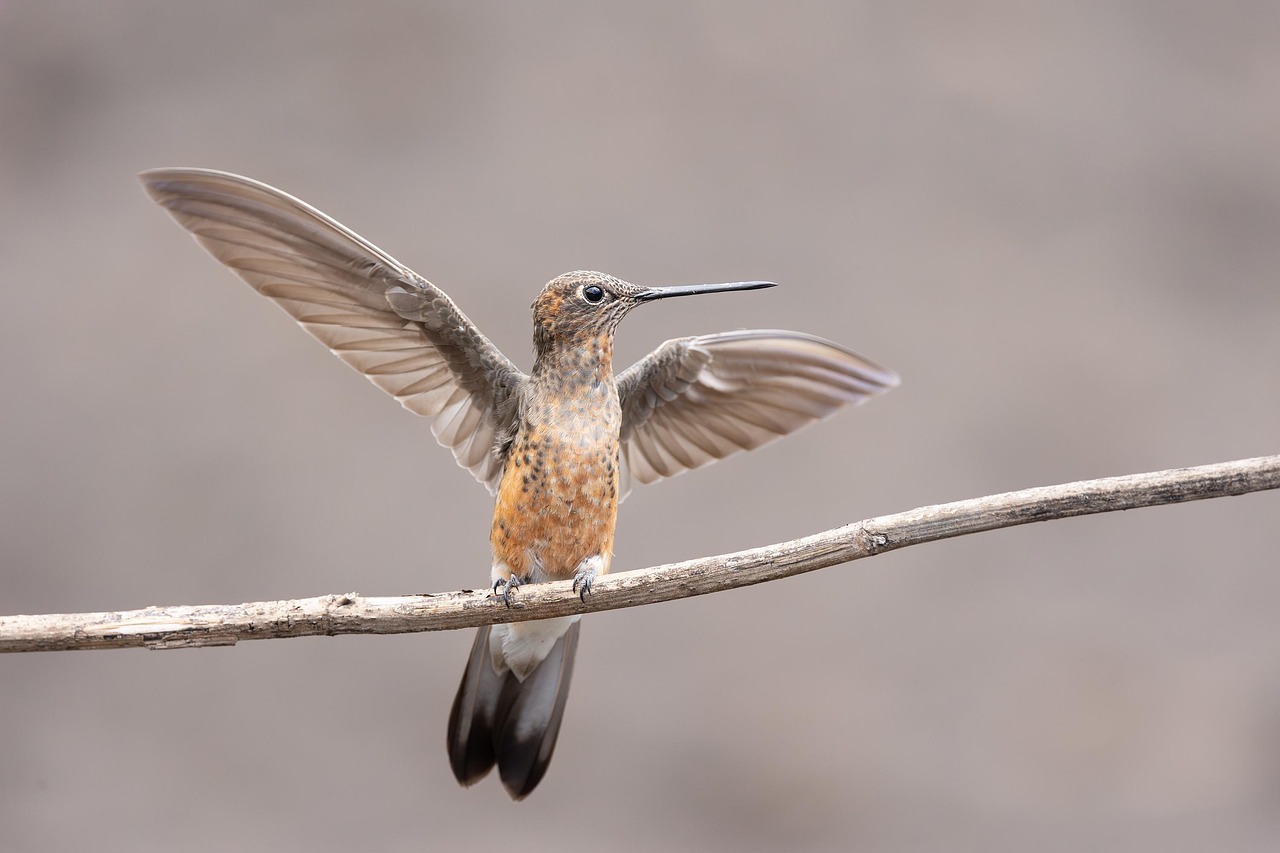
Hummingbirds are a delightful addition to any garden, providing natural pest control and vibrant energy to your outdoor space. To bring these fascinating creatures to your yard, you must prioritize nectar-rich plants, consistent water sources, and strategic feeder placement. Creating a welcoming habitat is the most effective way to ensure frequent visits throughout the season.
Attracting hummingbirds requires more than just hanging a feeder; it demands a thoughtful approach to your overall garden maintenance. You should expect to invest time in selecting native flowers that bloom at different intervals to provide a reliable food supply. Understanding their migratory patterns and nesting needs will help you create a sustainable environment.
This guide explains how to design a welcoming habitat for these birds using the right plants, feeders, and practical home gardening techniques. We will cover the essential hand tools and outdoor power equipment needed to manage your landscape effectively. Follow these expert tips to transform your backyard into a thriving sanctuary for local hummingbirds.
Choose the Right Nectar-Rich Plants
To turn your yard into a hummingbird sanctuary, you must prioritize high-energy nectar sources. Hummingbirds have incredibly fast metabolisms and require constant refueling. By selecting the right native plants, you provide the essential fuel they need to thrive while also supporting local ecosystems.
Focus your planting strategy on tubular, brightly colored flowers, which are the preferred shape for hummingbird beaks. Native species are generally hardier and more attractive to local birds than non-native hybrids. Consider incorporating these reliable staples into your landscape:
- Bee Balm (Monarda): A perennial favorite that offers long, nectar-filled blooms.
- Trumpet Vine: A vigorous climber that provides a massive supply of high-energy nectar.
- Columbine: Excellent for early-season feeding when other flowers have yet to emerge.
- Salvia: Available in many varieties, these long-blooming plants are hummingbird magnets.
How you arrange these plants is just as important as the species you choose. Hummingbirds are territorial and need clear flight paths. Rather than scattering individual plants, group them in dense clusters. This creates a “landing zone” that makes it easier for the birds to spot food from a distance and feed efficiently without wasting energy.
A successful hummingbird garden requires a continuous bloom cycle. If your flowers die off in mid-summer, the birds will move on to more reliable food sources. Plan your garden beds to ensure that something is always in flower from early spring through late autumn. Use a garden journal to track bloom times and identify any gaps in your schedule.
When preparing your beds, use a sharp hand trowel to disturb the soil as little as possible, preserving the root systems of existing perennials. For larger installations, a quality spade or garden fork will help you incorporate compost, ensuring your soil remains nutrient-rich for vigorous growth. Avoid using synthetic pesticides or herbicides in these areas. Hummingbirds also rely on tiny insects for protein, and chemical sprays can eliminate this vital part of their diet while potentially harming the birds themselves. By maintaining a healthy, chemical-free environment, you create a safe haven that hummingbirds will return to season after season.
Setting Up and Maintaining Feeders
While planting native, nectar-rich flowers is the best way to attract hummingbirds, supplemental feeders provide a reliable energy source during peak migration or when natural blooms are scarce. Setting up a feeder correctly is essential for both bird health and your gardening success.
To create a safe, effective nectar substitute, mix four parts water with one part white granulated sugar. Boil the water first to dissolve the sugar completely, then allow the mixture to cool entirely before filling your feeder. It is critical to follow these safety guidelines:
- Use only white granulated sugar: Avoid honey, which can cause dangerous fungal infections in birds.
- Skip the additives: Do not use molasses, brown sugar, or artificial sweeteners.
- Avoid red dye: Many commercial nectars contain red dyes that are unnecessary and potentially toxic. If your feeder has a red base or decorative elements, the birds will find it easily without colored syrup.
Maintenance is the most important aspect of hummingbird care. Because sugar water ferments quickly in the sun, it can become a breeding ground for mold and bacteria, which are fatal to hummingbirds. You must clean your feeders thoroughly at least every three days, or more frequently during periods of extreme heat.
To clean your equipment effectively:
- Empty any remaining nectar and discard it.
- Disassemble the feeder completely.
- Use hot water and a dedicated bottle brush to scrub the interior of the reservoir and the feeding ports. Avoid harsh chemical soaps; if you must use soap, ensure it is mild and rinse the components extremely thoroughly.
- Allow all parts to air dry completely before refilling.
Position your feeders in a shaded or semi-shaded area to keep the nectar from spoiling too quickly. If you notice black mold inside the feeder, it is time to replace the unit or use a diluted vinegar solution to disinfect it, followed by a rigorous rinsing process. By keeping your equipment pristine, you ensure that your yard remains a safe, welcoming oasis for hummingbirds throughout the season. Consistent, clean feeding stations, paired with your natural garden landscape, will encourage these birds to return to your yard year after year.

Creating a Bird-Friendly Environment
To turn your yard into a reliable sanctuary for hummingbirds, you must offer more than just nectar-rich flowers. These birds require a complete ecosystem that provides hydration, safety, and a steady protein source. By integrating thoughtful garden maintenance with the right outdoor features, you can encourage them to make your landscape a permanent home.
Water is a primary necessity. Hummingbirds rarely land in deep water; instead, they prefer to bathe in a fine mist or shallow, moving water. Installing a birdbath with a fountain attachment or a dedicated mister is the most effective way to attract them. Ensure the water depth remains under an inch and keep the basin clean to prevent the spread of bacteria.
Beyond hydration, hummingbirds need places to rest and survey their territory. Strategic planting and maintenance are key to providing these perches:
- Incorporate native shrubs and trees: These provide natural, sturdy perches where birds can rest between feedings.
- Prune for structure: Use sharp, clean hand pruners to thin out dense foliage, creating clear flight paths and accessible perching twigs.
- Leave dead wood: If safe, leave a few small, bare branches on trees, as hummingbirds often choose these for high-visibility lookouts.
Perhaps the most critical aspect of a bird-friendly yard is the management of your outdoor power equipment and chemical use. Hummingbirds rely on small insects, such as gnats, spiders, and fruit flies, for the essential protein needed to raise their young. When you use chemical pesticides, you inadvertently eliminate this vital food supply, forcing birds to move elsewhere.
Instead of relying on synthetic chemicals, adopt an integrated pest management approach. Hand-pull weeds to reduce the need for herbicides and encourage beneficial insects that keep pest populations in check naturally. By maintaining a chemical-free environment, you ensure that your garden remains a healthy, nutrient-dense habitat.
Finally, keep your garden tools clean and organized to minimize disruption during the nesting season. If you are using lawn care equipment or power trimmers, be mindful of nesting sites in dense hedges or low-hanging branches. Gentle, consistent garden maintenance creates a predictable environment, which is exactly what hummingbirds look for when selecting a nesting territory. By providing clean water, safe perches, and a pesticide-free food source, you create a thriving haven that will keep these birds returning year after year.
Safety and Maintenance Best Practices
Creating a hummingbird-friendly landscape often requires installing hanging feeders or pruning trees to improve visibility. Because these tasks involve physical labor and equipment, prioritizing safety is essential to ensure your garden remains a sanctuary rather than a hazard.
When working at height, always use a sturdy ladder placed on firm, level ground. Never overreach; instead, reposition the ladder to keep your center of gravity centered between the rails. If you are trimming branches to clear a flight path for hummingbirds, wear heavy-duty leather gloves to protect your hands from thorns, sharp twigs, and sap. Always cut away from your body using sharp, well-maintained hand pruners or loppers to ensure clean cuts that heal quickly, which also prevents disease in your trees.
If you are clearing overgrown brush or preparing larger areas for new nectar-rich plantings, you may need outdoor power equipment. Follow these fundamental safety protocols to prevent accidents:
- Eye Protection: Always wear impact-resistant safety glasses or a face shield to guard against flying debris, wood chips, and dust.
- Electrical Safety: Ensure all extension cords are clearly labeled for outdoor use. Never run cords through standing water or damp grass, and keep them clear of the cutting path of your equipment.
- Equipment Inspection: Before starting any power tool, check for loose bolts, frayed cords, or damaged blades. If a tool shows signs of wear, repair or replace it before use.
- Footwear: Wear sturdy, closed-toe shoes or boots with good traction to prevent slips and protect your feet from falling branches or dropped tools.
Proper maintenance of your tools is just as important as safe operation. Clean your hand tools after each use to remove dirt and moisture, which prevents rust and keeps blades sharp. Dull tools require more force to operate, which increases the likelihood of slipping and causing injury. If you use gas-powered equipment, perform routine maintenance—such as checking oil levels and clearing air filters—in a well-ventilated area away from your bird feeders to avoid contaminating the environment. By keeping your gear in top condition and following these safety guidelines, you create a secure, productive space where both you and your hummingbirds can thrive.

Common Questions and Long-Term Care
A common concern among hummingbird enthusiasts is whether keeping feeders out prevents migration. Rest assured, your feeders will not stop these birds from leaving. Hummingbirds migrate based on decreasing daylight hours and hormonal changes, not food availability. You can safely keep your feeders clean and filled until you have not seen a bird for two weeks after the typical migration window in your region.
If you notice birds acting lethargic or see signs of illness, immediately take down your feeders. Use a solution of one part bleach to nine parts water to scrub them thoroughly, then rinse them extensively. If the problem persists, reach out to local wildlife rehabilitation centers for guidance, as they can track potential outbreaks of avian diseases in your area.
Maintaining a hummingbird-friendly yard requires consistent garden care. To keep your nectar-rich plants blooming throughout the season, practice regular deadheading. Removing spent flowers prevents the plant from going to seed and redirects energy into producing new blooms, providing a steady food source for your visitors.
Proper care of your gardening tools and outdoor power equipment is equally important for long-term success. A well-maintained garden requires reliable gear, so follow these storage tips to ensure your equipment is ready for the next season:
- Clean hand tools: Remove soil and debris after every use. Wipe metal blades with a light coat of oil to prevent rust before storing them in a dry shed or garage.
- Service power equipment: Before winter storage, drain fuel from lawn mowers and trimmers, or add a fuel stabilizer to prevent the carburetor from clogging.
- Sharpen blades: Use the off-season to sharpen your pruners and shears. Clean, sharp cuts promote healthier plant growth and reduce the risk of disease transmission.
- Organize your space: Hang hoses and store rakes off the ground to prevent moisture damage and extend the lifespan of your equipment.
By keeping your garden healthy through active maintenance and protecting your tools from the elements, you create a sustainable, welcoming habitat. A tidy, well-equipped yard makes it easier to manage your plantings, ensuring that your garden remains a vibrant sanctuary that hummingbirds will return to year after year.

Dedicated team of gardening enthusiasts with years of hands-on experience testing lawn mowers, gardening tools, and outdoor equipment. We help home gardeners and professionals alike make informed buying decisions with honest, thorough reviews. From push mowers to pruning shears, we test it all so you don’t have to. Got a gardening tool you’d like us to review? Get in touch!