
Fungus gnats are a common frustration for indoor gardeners, often appearing when soil stays too wet for too long. To avoid these pesky insects, you must prioritize proper soil drainage and allow the top layer of potting mix to dry out completely between watering sessions to disrupt their reproductive cycle.
While these tiny flies are mostly a nuisance, they can indicate underlying issues with your watering habits or drainage systems. Achieving a gnat-free environment requires consistent attention to your plant care routine rather than a single quick fix. Understanding these environmental triggers is the most effective way to protect your greenery long-term.
This guide explains how to identify the conditions that attract these pests and provides practical, maintenance-based steps to keep your indoor garden gnat-free without relying on harsh chemicals. We will cover essential tools and healthy soil practices that ensure your home garden remains a thriving, pest-free sanctuary for all your favorite indoor plants.
Understanding Why Gnats Invade Your Plants
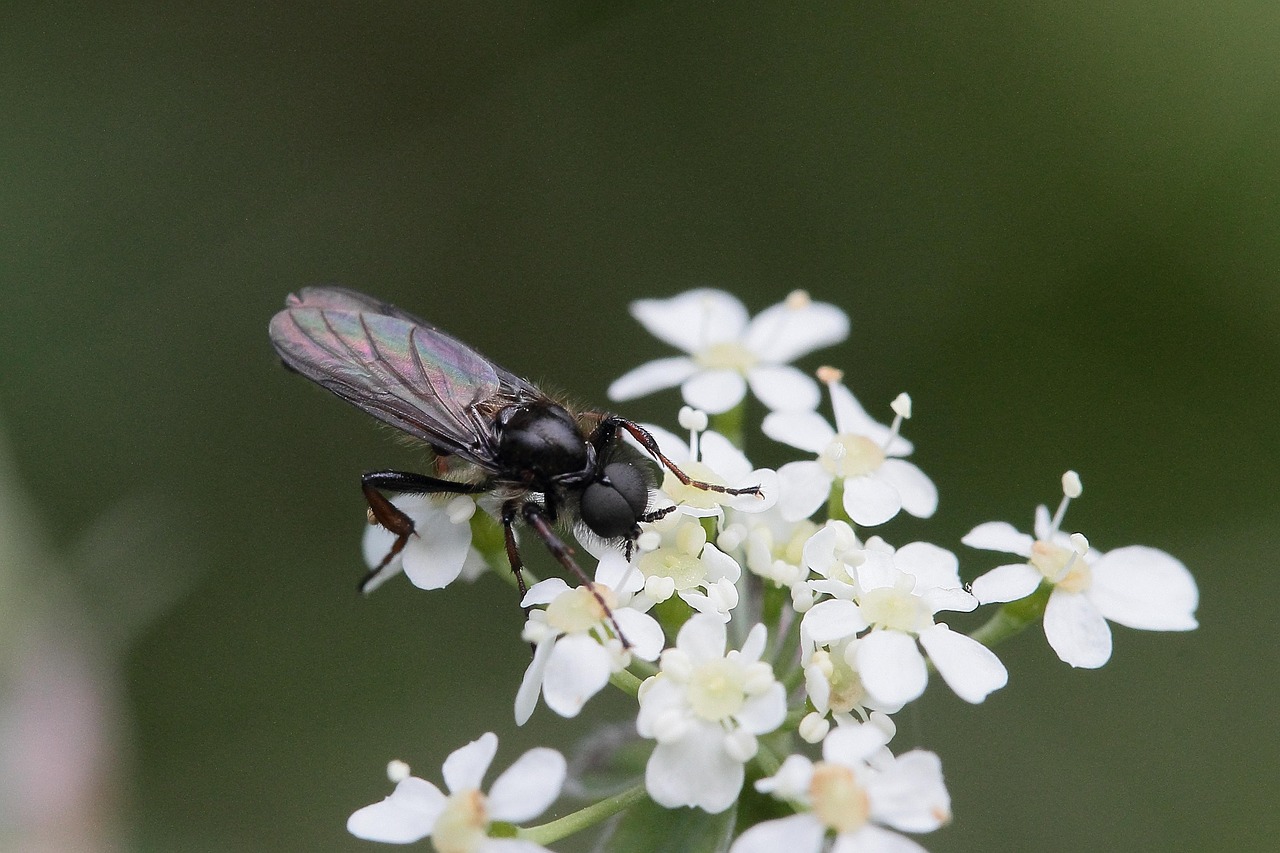
To effectively eliminate a gnat infestation, you must first understand what draws them to your indoor garden. Fungus gnats are primarily attracted to moist, organic-rich soil. When your potting mix remains consistently damp, it creates an ideal breeding ground for these pests to lay their eggs.
While adult gnats are mostly a harmless nuisance that flutters around your home, the real damage occurs beneath the surface. Once the eggs hatch, the larvae feed on decaying organic matter and, more concerningly, the delicate root hairs of your plants. This root damage can stress your greenery, leading to stunted growth, yellowing leaves, and a weakened plant structure.
Prevention starts with mastering soil moisture management. By disrupting the life cycle of the gnat, you can prevent future generations from thriving. Consider these practical steps to make your soil less hospitable:
- Allow the top layer to dry: Most fungus gnat larvae cannot survive if the top two inches of soil are allowed to dry out completely between waterings.
- Improve drainage: Ensure your pots have adequate drainage holes and use high-quality, well-draining potting mixes to prevent water from pooling at the base.
- Remove organic debris: Clear away fallen leaves or decaying plant matter from the soil surface, as these provide a food source for larvae.
- Bottom watering: By watering from the bottom, you keep the surface of the soil dry while providing necessary hydration to the roots, effectively removing the moist habitat gnats require.
Garden maintenance is not just about pruning and fertilizing; it is about observing the health of your soil. If you notice a sudden influx of gnats, it is usually a clear signal that your watering habits may be keeping the soil too saturated for too long. Adjusting your routine is often the most effective, chemical-free way to manage the population. By focusing on the environment rather than just the insects, you create a healthier, more resilient space for your plants to grow. Remember that consistency is key; monitoring your soil moisture regularly will help you catch potential issues before they escalate into a full-blown infestation that requires more intensive intervention.
Mastering Proper Watering Techniques
The most effective way to prevent a fungus gnat infestation is to disrupt their breeding cycle by mastering your watering routine. Fungus gnats thrive in consistently moist, decaying organic matter. By altering the moisture levels in your potting mix, you make the environment inhospitable for larvae to survive and develop.
The golden rule for gnat prevention is to allow the top two inches of soil to dry out completely between waterings. When the surface remains damp, it provides the perfect incubator for adult gnats to lay eggs. Allowing the soil to desiccate kills existing larvae and prevents new eggs from hatching, effectively breaking the cycle without the need for harsh chemicals.
Before reaching for your watering can, always verify that your plant actually needs hydration. Avoid watering on a strict schedule, as environmental factors like humidity, light levels, and temperature change how quickly your plants consume water. Instead, use these practical methods to assess soil conditions:
- The Finger Test: Insert your index finger into the soil up to the second knuckle. If the soil feels damp or cool at that depth, wait a few more days before watering. If it feels dry and crumbly, it is safe to proceed.
- Moisture Meters: For deep containers or plants with dense foliage, a moisture meter provides a precise reading. Aim for a “dry” or “low” reading in the top two inches before adding water.
- Weight Check: Get to know the weight of your pots. A well-hydrated plant will feel significantly heavier than one that has dried out sufficiently.
Proper drainage is equally vital to this process. Ensure your pots feature adequate drainage holes at the bottom to prevent water from pooling in the root zone. If you use decorative cachepots, always remove the inner nursery pot and empty any standing water after watering. Allowing your plants to sit in waterlogged soil creates a stagnant, anaerobic environment that promotes root rot and invites gnats to congregate. By maintaining a drier surface and ensuring efficient drainage, you create a healthy, resilient indoor garden that naturally resists pests. Consistency in these habits is the most sustainable long-term defense against gnat outbreaks in your home.

Improving Soil Drainage and Airflow
Fungus gnats thrive in consistently damp soil environments. By optimizing your soil structure and container setup, you can disrupt their breeding cycle and keep your plants healthy. The goal is to ensure that moisture does not linger on the surface, where gnats prefer to lay their eggs.
Always ensure your pots have functional drainage holes at the bottom. If a container lacks these, water will pool at the base, creating a swampy environment that attracts pests and encourages root rot. If you are using decorative cachepots, always remove the inner nursery pot to empty any excess water after irrigation.
The composition of your potting mix is equally critical. Dense, peat-heavy soils often stay wet for too long. You can improve aeration and drainage by amending your potting mix with inorganic materials. Incorporate these into your soil blend to create air pockets that allow the roots to breathe and the soil to dry out more efficiently:
- Perlite: These lightweight, white volcanic glass rocks are excellent for increasing porosity and preventing soil compaction.
- Coarse Sand or Horticultural Grit: Adding these helps water move through the soil profile faster, preventing surface saturation.
- Pumice: Similar to perlite but heavier, pumice provides long-lasting structure and drainage for larger houseplants.
Beyond soil management, air circulation plays a vital role in pest prevention. Stagnant, humid air prevents the top layer of soil from evaporating moisture quickly. To discourage gnat activity, consider these maintenance tips:
- Strategic Placement: Avoid overcrowding your plants. Giving them space allows air to flow freely between leaves and across the soil surface.
- Use a Small Fan: A gentle, oscillating fan directed near your plants promotes evaporation and strengthens plant stems.
- Pruning: Regularly remove dead leaves or debris from the soil surface. Decaying organic matter provides a food source for gnat larvae, and removing it helps the soil surface dry out faster.
By focusing on these physical improvements, you create an environment that is inhospitable to gnats. Remember that the top inch of soil should feel dry to the touch before you water again; this simple habit, combined with improved drainage, is your best defense against recurring infestations.
Physical Barriers and Maintenance Tools
One of the most effective, non-chemical ways to break the lifecycle of fungus gnats is to create a physical barrier over the soil surface. Adult gnats require moist organic matter to lay their eggs, so covering the top layer of your potting mix prevents them from reaching the soil entirely.
For an effective barrier, apply a one-half to one-inch layer of decorative gravel, coarse sand, or specialized horticultural grit. Unlike standard potting soil, these materials dry out quickly and do not provide the damp environment gnats need to thrive. Ensure you leave a small gap around the base of the plant stem to allow for proper airflow.
When applying these materials or repotting your plants, you will likely need to use hand tools such as trowels or soil knives. To maintain both your equipment and your plant health, follow these safety and hygiene practices:
- Handle with care: Always use sharp tools away from your body. When using a soil knife, keep your fingers clear of the blade’s path and ensure you have a firm grip, especially when working with compacted soil.
- Sanitize regularly: Soil-borne pathogens and fungal spores can easily travel on dirty tools. After each use, wipe your trowels and knives with a cloth dampened with a 70% isopropyl alcohol solution or a diluted bleach mixture (one part bleach to nine parts water).
- Dry thoroughly: After sanitizing, dry your tools completely before storing them. This prevents rust and corrosion, keeping your equipment in peak condition for future garden maintenance.
Regular maintenance is key to keeping your indoor garden gnat-free. By using a physical barrier, you stop the breeding cycle at the source. By pairing this with clean, sharp tools, you ensure that your gardening routine remains safe for you and promotes a healthier environment for your plants. If you notice a heavy infestation, consider combining these physical barriers with yellow sticky traps to capture any remaining adult gnats that were already present in the room. Consistent monitoring and tool hygiene will help you manage the population effectively without relying on harsh indoor pesticides. Always store your gardening tools in a dry, organized space to keep them accessible and ready for your next maintenance session.

Troubleshooting and When to Seek Help
If you are struggling to manage a gnat infestation, the first step is to assess the severity. For minor issues, yellow sticky traps are highly effective tools. These traps attract adult fungus gnats, helping you monitor their population and break their reproductive cycle. Place them near the soil surface to capture flies as they emerge.
Deciding whether to repot an infested plant depends on the condition of the root system. If you notice a foul odor or mushy, blackened stems, your plant likely suffers from root rot caused by overwatering—the primary environment gnats thrive in. In this case, repotting is necessary. Carefully remove the plant, trim away decayed roots with sterilized hand tools, and transplant it into fresh, well-draining soil.
When home remedies fail, it is time to seek professional guidance. Consult a local nursery or plant specialist if:
- The infestation persists after two weeks of consistent soil drying and trap usage.
- Multiple plants in your collection show signs of wilting or yellowing leaves.
- You suspect a severe fungal infection or root disease that requires systemic treatment.
Specialists can identify if your problem stems from a specific pest, like spider mites or aphids, which might be mistaken for gnats, and recommend appropriate horticultural products.
Safety is paramount when applying any treatment, whether it is a mild horticultural soap, neem oil, or a commercial pesticide. Never use household cleaning agents, such as bleach or ammonia, on your plants; these can severely damage foliage and soil health. When handling any treatment, follow these safety protocols:
- Always wear protective gloves to prevent skin irritation.
- Ensure the area is well-ventilated to avoid inhaling chemical fumes or fine mists.
- Read the manufacturer’s label thoroughly, as some products are toxic to pets and children.
If you are unsure about the safety of a specific product, contact your local cooperative extension or a trusted garden center before application. Taking a measured, informed approach protects both your plants and your home environment. By addressing the moisture levels in your pots and using the right tools, you can successfully regain control over your indoor garden.

Dedicated team of gardening enthusiasts with years of hands-on experience testing lawn mowers, gardening tools, and outdoor equipment. We help home gardeners and professionals alike make informed buying decisions with honest, thorough reviews. From push mowers to pruning shears, we test it all so you don’t have to. Got a gardening tool you’d like us to review? Get in touch!