
Hummingbirds are a delightful addition to any garden, but attracting them requires more than just a feeder. To successfully draw these vibrant birds to your yard, you must cultivate a welcoming habitat that provides consistent food, water, and shelter throughout the season. By focusing on specific floral choices and strategic landscaping, you can transform your outdoor space into a sanctuary.
Creating a hummingbird haven is a rewarding project, though it requires patience and ongoing garden maintenance. While nectar feeders offer a quick boost, long-term success depends on establishing a diverse environment that mimics their natural habitat. Understanding the intersection of proper lawn care and native planting is essential for building a sustainable ecosystem that keeps these energetic visitors returning year after year.
In this guide, we provide practical advice on selecting the best nectar-rich plants and installing essential water features. We will also cover the right hand tools and outdoor power equipment needed to maintain your landscape effectively. Follow these expert tips to optimize your garden layout and ensure your yard becomes the ultimate destination for local hummingbirds seeking nourishment and safety.
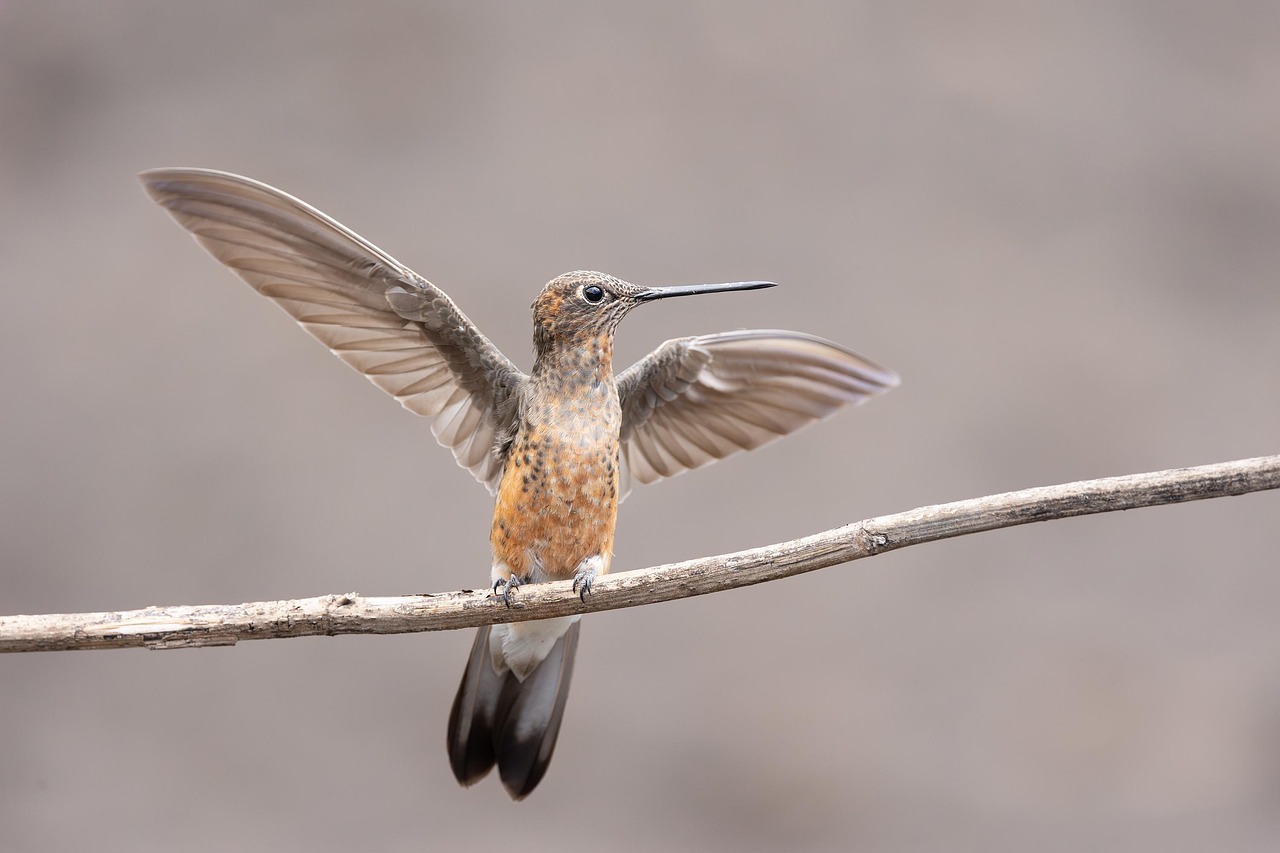
Choose the Right Nectar-Rich Plants
The most effective way to turn your backyard into a hummingbird sanctuary is by prioritizing native, nectar-rich plants. Hummingbirds have high metabolisms and require constant fuel, making the quality of your floral choices essential. Focus your landscape design on tubular-shaped blooms, which are perfectly adapted to the birds’ long bills and tongues.
Color is a primary attractant for these energetic pollinators. While they will visit various flowers, they show a strong preference for vibrant shades of red, orange, and pink. To maximize your success, incorporate a variety of these high-energy options:
- Bee Balm (Monarda): A perennial favorite that thrives in sunny spots and offers long-lasting, nectar-filled blooms.
- Columbine (Aquilegia): These elegant, bell-shaped flowers are often the first to bloom in spring, providing vital early-season sustenance.
- Salvia: With countless varieties available, these hardy plants offer prolific, tubular flowers that hummingbirds visit repeatedly throughout the day.
- Trumpet Vine (Campsis radicans): A vigorous climber ideal for trellises or fences; its deep, trumpet-shaped flowers are essentially hummingbird magnets.
When planning your garden layout, avoid scattering plants randomly across your property. Instead, plant your chosen species in dense clusters or “drifts.” Grouping similar plants together creates a larger, more vibrant target that is easier for hummingbirds to spot while they are flying overhead. This strategy not only makes your yard more visible to passing birds but also allows them to feed more efficiently by minimizing the distance they must travel between nectar sources.
Before you begin planting, ensure your soil is well-draining and enriched with organic compost to support robust growth. Use a high-quality hand trowel to dig precise holes, ensuring you do not bury the crown of your perennials too deeply. If you are installing larger specimens like trumpet vine, use sturdy garden shears to prune back any damaged stems, which encourages the plant to direct its energy into flower production rather than vegetative growth. By maintaining a healthy, well-ordered garden, you provide the reliable food source necessary to keep hummingbirds returning to your yard season after season. Remember to avoid chemical pesticides, as these can harm the very insects that hummingbirds also rely on as a secondary source of protein.
Install and Maintain Hummingbird Feeders
While planting native flowers provides essential natural nectar, installing high-quality hummingbird feeders is the most effective way to guarantee a consistent food source throughout the season. By supplementing your garden with sugar-water feeders, you can attract more hummingbirds and keep them returning to your yard daily.
To prepare the nectar, mix one part white granulated sugar with four parts boiling water. Stir until the sugar is completely dissolved, then allow the mixture to cool entirely before filling your feeders. It is critical to follow these safety guidelines to protect the birds:
- Use only white sugar: Never substitute honey, which can cause dangerous fungal infections, or artificial sweeteners, which provide no nutritional value.
- Avoid red dye: Commercial red dyes are unnecessary and potentially toxic. Most modern feeders are designed with red components to attract hummingbirds naturally without the need for additives.
- Keep it fresh: Always store unused sugar water in the refrigerator.
Proper maintenance is just as important as the recipe itself. Hummingbirds are highly susceptible to bacteria and mold, which can grow rapidly in warm, sugary water. If a feeder becomes contaminated, it can be fatal to the birds. To keep your equipment safe, follow this cleaning routine:
- Frequency: Clean your feeders at least twice a week. During periods of extreme heat or humidity, clean them every other day to prevent fermentation.
- Tools: Use a dedicated bottle brush to reach inside the reservoir and clean the feeding ports thoroughly.
- Sanitation: Use hot water to scrub away any residue. If you notice black mold, soak the feeder parts in a solution of one part white vinegar to two parts water, then rinse thoroughly until no scent remains.
When selecting equipment, look for feeders that are easy to disassemble and dishwasher-safe. Simple designs with fewer crevices are generally easier to maintain and less likely to harbor bacteria. By keeping your feeding stations impeccably clean, you provide a safe, reliable sanctuary that will encourage hummingbirds to frequent your garden all season long. Remember to hang your feeders in a shaded area to keep the nectar from spoiling too quickly in the sun, and always ensure they are placed well away from areas where outdoor cats might hide.

Create a Hummingbird-Friendly Environment
Attracting hummingbirds requires creating a balanced ecosystem that goes beyond simple nectar feeders. These high-energy birds need a safe, reliable environment where they can hydrate, rest, and hunt for essential protein. By thoughtfully managing your outdoor space, you can transform your yard into a sanctuary that hummingbirds will visit throughout the season.
Water is a critical component of a hummingbird-friendly landscape. Unlike larger birds that enjoy standard birdbaths, hummingbirds prefer moving water. Because they are vulnerable while bathing, they are often wary of deep basins. To accommodate their needs, consider the following:
- Install a shallow birdbath with a gentle mister or a dripper attachment to create a fine spray or steady drip.
- Place the water feature near nectar-rich plants to mimic their natural habitat.
- Clean your water features weekly using a soft-bristled hand brush to prevent algae buildup and ensure a healthy environment.
Maintaining a pesticide-free yard is equally vital. While nectar provides energy, hummingbirds rely heavily on small insects and spiders for the protein necessary for growth and egg production. When you use chemical pesticides, you inadvertently eliminate this essential food source and potentially expose the birds to toxins. Instead, embrace integrated pest management techniques, such as encouraging beneficial predatory insects, to keep your garden healthy without harsh sprays.
Shelter and nesting sites are the final pieces of the puzzle. Hummingbirds are territorial and require safe perches to monitor their food sources. Incorporate a variety of native trees and shrubs into your landscape plan to provide natural cover from predators and protection from harsh weather. Dense, twiggy shrubs offer excellent nesting locations, while open, sturdy branches provide the perfect vantage point for a hummingbird to rest between feedings.
Practical garden maintenance plays a significant role in long-term success. Use sharp, high-quality pruning shears to keep your shrubs healthy and encourage the dense growth that hummingbirds favor for nesting. Avoid aggressive “clean-up” practices in the fall; leaving some dried plant stalks and leaf litter can provide nesting materials and harbor the small insects they need. By focusing on these structural elements, you create a sustainable habitat that invites hummingbirds to stay and thrive in your garden year after year.
Safe Garden Maintenance and Tool Usage
Creating a hummingbird-friendly sanctuary requires regular garden maintenance, but the health of your plants and your personal safety must remain the top priority. When grooming your garden to accommodate these birds, the quality of your tools directly impacts plant vitality. Always use sharp, well-maintained pruning shears to make clean, precise cuts. Dull blades crush plant stems, creating jagged wounds that invite disease and delay the blooming cycles hummingbirds rely on for nectar.
If your garden maintenance involves aggressive clearing or managing overgrown shrubs, you must prioritize personal protection. When operating power trimmers, leaf blowers, or chainsaws, adhere to these safety standards:
- Wear heavy-duty work gloves to protect your hands from thorns, sharp branches, and vibration fatigue.
- Use ANSI-rated safety goggles to shield your eyes from flying debris, wood chips, and dust.
- Wear sturdy, closed-toe boots to prevent injury from dropped tools or hidden garden hazards.
- Always inspect power cords or fuel lines before starting equipment to ensure there are no frayed wires or leaks.
Hummingbird feeders are often placed at varying heights to provide security and visibility, which frequently necessitates the use of a ladder. Whether you are hanging a new nectar station or pruning high branches to open up flight paths, safety is non-negotiable. Before climbing, ensure the ladder is placed on firm, level ground. Avoid setting up on soft soil or uneven mulch, as these surfaces can shift under your weight. If you must work on grass, use a wide base stabilizer to prevent sinking.
When working at height, follow the “three-point contact” rule: always keep two hands and one foot, or two feet and one hand, on the ladder at all times. Never overreach to trim a branch or hang a feeder; instead, climb down and reposition the ladder to maintain a stable center of gravity. By keeping your tools sharp and your workspace secure, you ensure that your gardening efforts remain productive and injury-free. A well-maintained garden is not only safer for you but also provides a more inviting, healthy environment for hummingbirds to thrive throughout the season.

Common Questions and Ongoing Habitat Care
Maintaining a hummingbird-friendly yard requires consistent attention to both your feeders and your landscape. Many gardeners ask when to set out feeders; as a general rule, place them in your yard one week before the expected spring migration in your region. This ensures early arrivals have a reliable energy source immediately upon landing.
If you notice birds acting lethargic or if your feeders remain untouched for long periods, inspect your sugar solution. In hot weather, nectar can ferment quickly, becoming toxic to birds. Clean your feeders thoroughly with hot water and a mild vinegar solution at least twice a week to prevent mold and bacteria buildup.
Beyond feeder maintenance, the long-term health of your garden habitat relies on proper tool use and landscaping practices. Use sharp, clean hand pruners to deadhead nectar-rich flowers, which encourages continuous blooming throughout the season. When managing larger shrubs or trees that provide essential nesting sites, keep these maintenance tips in mind:
- Tool Hygiene: Always sanitize your pruning shears with rubbing alcohol between plants to prevent the spread of diseases.
- Selective Pruning: Avoid heavy trimming during peak nesting months. If you must prune, check for hidden nests first to avoid disturbing the birds.
- Power Equipment Safety: For large-scale landscaping projects or trimming branches near power lines, always consult a professional arborist. They have the specialized equipment and safety training necessary to handle high-reach tasks without risking your safety or violating local utility regulations.
- Mulching and Soil Care: Use a garden fork or hand cultivator to keep soil aerated around your perennial nectar plants. Applying a layer of organic mulch helps retain moisture, ensuring your plants stay vibrant even during dry spells.
Remember that a healthy habitat is a dynamic one. By keeping your tools sharp and your equipment in good working order, you make the physical labor of gardening easier, allowing you more time to sit back and observe the hummingbirds enjoying the space you have cultivated. If you are planning significant changes to your yard’s layout, such as installing new irrigation or moving large garden beds, do so in the late autumn or winter. This minimizes disruption to the birds during their active spring and summer breeding cycles.

Dedicated team of gardening enthusiasts with years of hands-on experience testing lawn mowers, gardening tools, and outdoor equipment. We help home gardeners and professionals alike make informed buying decisions with honest, thorough reviews. From push mowers to pruning shears, we test it all so you don’t have to. Got a gardening tool you’d like us to review? Get in touch!