
Creating a backyard sanctuary for hummingbirds is a rewarding way to bring nature closer to home. By providing the right combination of nectar-rich plants, safe water sources, and strategic garden design, you can transform your outdoor space into a frequent stop for these fascinating pollinators and enjoy their vibrant presence all season long.
However, attracting these energetic birds requires more than just hanging a single feeder. You must maintain a healthy, chemical-free environment using proper lawn care equipment and garden maintenance tools to ensure your landscape thrives. Consistent effort and the right outdoor power equipment help create the lush, blooming habitat that hummingbirds naturally find most irresistible.
In this guide, we will explore the essential hand tools and practical home gardening techniques needed to cultivate a hummingbird haven. From selecting the best native flowers to managing your outdoor space effectively, we provide the actionable advice required to turn your yard into a bustling, avian-friendly oasis that hummingbirds will visit daily.
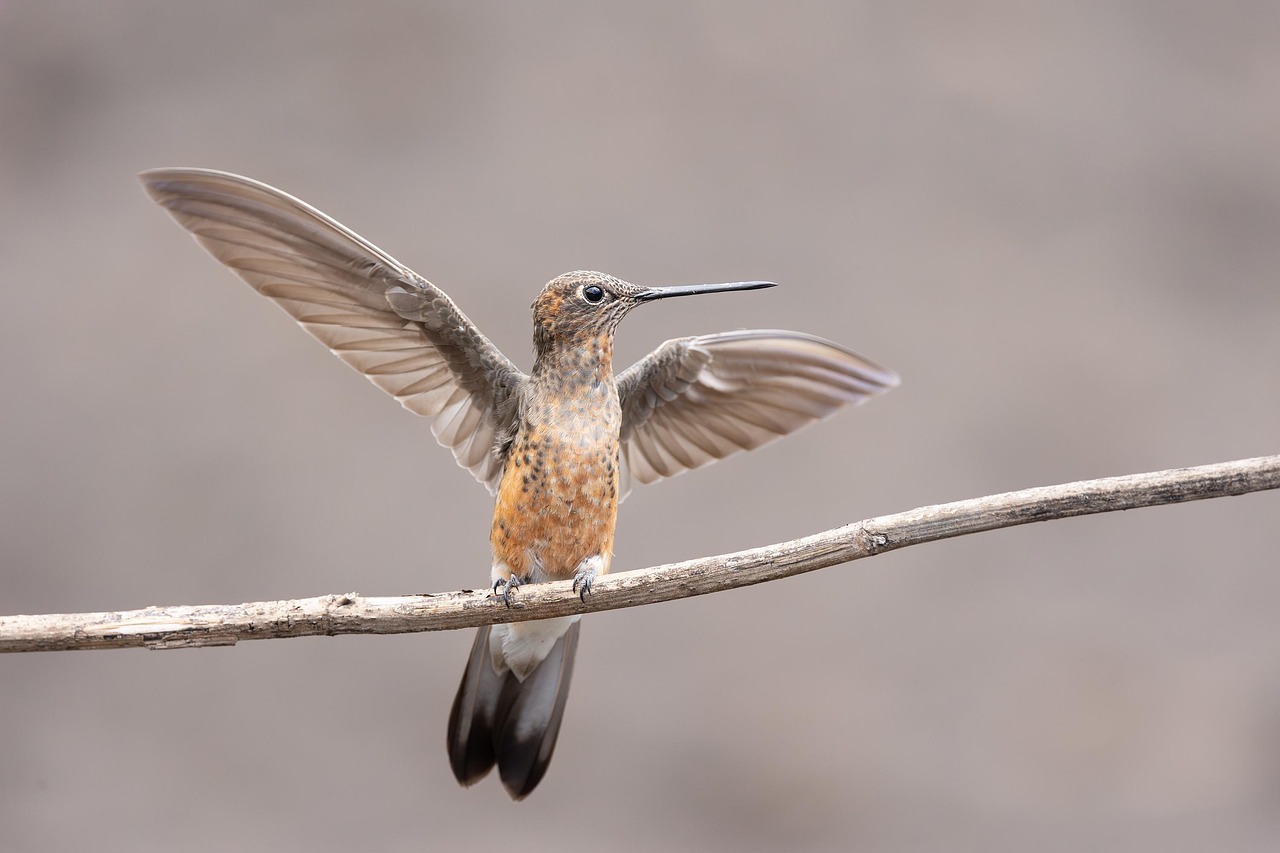
Choose the Right Nectar-Rich Flowers
To turn your landscape into a hummingbird sanctuary, prioritize planting nectar-rich, tubular flowers. Hummingbirds are visually drawn to vibrant colors, particularly reds and oranges, while the shape of these blooms perfectly accommodates their long, slender beaks. By focusing on native perennials, you provide a reliable, high-energy food source that is naturally adapted to your local climate.
For a thriving hummingbird habitat, select plants that offer staggered bloom times. This ensures your garden remains a consistent “refueling station” from the first spring arrivals until the final migration in autumn. Aim for a diverse selection of species to keep the birds returning throughout the entire season.
Consider incorporating these reliable favorites into your garden beds:
- Bee Balm (Monarda): A perennial powerhouse that hummingbirds adore for its nectar.
- Columbine (Aquilegia): Excellent for early spring feeding when other food sources may be scarce.
- Salvia: Offers long-lasting blooms and comes in many varieties that thrive in containers or borders.
- Trumpet Vine (Campsis radicans): A vigorous climber that provides a massive amount of nectar, though it requires sturdy support and occasional pruning to manage its spread.
Proper garden maintenance is just as important as the plants themselves. Use sharp, clean hand tools like bypass pruners to deadhead spent blooms, which encourages plants to produce fresh flowers rather than setting seed. When managing your lawn and surrounding outdoor spaces, avoid using chemical pesticides. Hummingbirds do not rely solely on nectar; they consume a significant amount of small insects and spiders to meet their protein requirements. Pesticides can deplete this essential food source and pose direct health risks to the birds.
When installing new plants, use a sturdy garden spade to ensure deep, nutrient-rich soil preparation. Once your perennials are established, keep your outdoor power equipment, such as string trimmers or edgers, at a distance from your flower beds to prevent accidental damage to stems. By creating a chemical-free, well-maintained environment, you provide a safe haven that meets every biological need of the hummingbirds visiting your yard. A thoughtful, low-intervention approach to gardening is the most effective way to keep these energetic visitors coming back year after year.
Install and Maintain Feeders Safely
Supplemental feeders are a highly effective way to increase hummingbird traffic in your yard. To create a safe, nutritious nectar, mix one part white granulated sugar with four parts water. Bring the mixture to a boil to dissolve the sugar completely, then let it cool entirely before filling your feeders. Never use honey, artificial sweeteners, or red dye, as these can be toxic or cause severe health issues for the birds.
Proper installation is critical for both hummingbird safety and your own. When mounting feeders, choose sturdy brackets or poles that can withstand wind and the weight of feeding birds. If you need to install heavy-duty hooks or permanent mounts, use the right equipment to ensure a secure fit.
When performing these installations, follow standard safety protocols to prevent accidents:
- Use proper power tools: If drilling into wood or masonry, ensure you are using the correct drill bits for the material. Always wear safety glasses to protect your eyes from flying debris.
- Ladder safety: Never place a ladder on uneven ground or soft soil. Use a ladder leveler or ensure the base is on a flat, solid surface. Always maintain three points of contact while climbing or working.
- Check for stability: Before hanging the feeder, give the bracket a firm tug to ensure it is anchored securely. A loose mount can cause the feeder to tip, spilling sticky nectar that attracts ants and wasps.
Routine maintenance is just as important as the initial setup. Hummingbirds are sensitive to bacteria and mold, which can grow rapidly in warm weather. Clean your feeders at least twice a week—or more often during extreme heat—using hot water and a bottle brush. Avoid using harsh chemical soaps, as even a small residue can be harmful to the birds.
Finally, keep your garden tools and lawn care equipment organized to ensure you have easy access to your feeders for regular cleaning. If you use outdoor power equipment to trim hedges or clear brush near your feeding stations, be mindful of the birds’ flight paths. By keeping your equipment well-maintained and your feeders sanitary, you create a reliable, welcoming habitat that will keep hummingbirds returning to your garden throughout the season.

Provide Essential Water and Shelter
Hummingbirds require more than just nectar to thrive in your backyard. Providing a consistent water source and secure shelter is essential for turning your garden into a permanent hummingbird habitat.
Because hummingbirds are highly sensitive to predators, they prefer moving water over stagnant pools. A shallow birdbath equipped with a mister or a gentle fountain is ideal. The movement catches the sunlight, making it easier for these birds to locate the water, and they enjoy flying through the fine mist to bathe. Ensure the water depth is very shallow, as hummingbirds are tiny and can easily drown in deep basins.
For shelter, integrate dense shrubs, small trees, or thick vines into your landscape. These plants provide vital perches where hummingbirds can rest, monitor their territory, and hide from hawks or cats. Native evergreens or twiggy deciduous shrubs work exceptionally well for this purpose.
To keep these plants healthy and dense, regular maintenance is necessary. However, proper technique and the right equipment are vital for both the plant’s health and your comfort. When pruning your shrubs:
- Use sharp bypass pruners: Always use bypass pruners rather than anvil-style cutters. Bypass blades work like scissors, creating clean, precise cuts that heal quickly and prevent the jagged edges that invite disease or pests.
- Maintain your tools: Keep your blades clean and sharpened. Dull tools require excessive force, which leads to hand strain and can crush delicate stems instead of slicing through them.
- Wear protective gear: Always wear heavy-duty gardening gloves. Many shrubs that provide good cover, such as holly or barberry, have sharp thorns or stiff branches that can cause painful scratches or punctures during maintenance.
By keeping your shrubs well-maintained, you encourage the thick, twiggy growth that hummingbirds favor for nesting and protection. A little bit of seasonal care with high-quality hand tools ensures your garden remains a safe haven. Remember to clear away any debris after pruning to keep the area underneath the shrubs tidy, which helps prevent mold and keeps the habitat inviting for your tiny visitors. With a reliable water source and well-managed cover, you will significantly increase the likelihood of hummingbirds choosing your garden as their primary territory.
Design a Hummingbird-Friendly Landscape
Creating a hummingbird-friendly landscape requires a balance between manicured beauty and wild, functional habitats. While we often strive for pristine lawns, hummingbirds thrive in environments that offer both open flight paths and dense, protected cover. To attract these birds, you must design a space that supports their entire life cycle, from nesting to foraging.
Avoid the urge to over-manicure your property. Hummingbirds rely on specific natural materials to construct their tiny, cup-shaped nests. By leaving small sections of your garden slightly wild, you encourage the presence of spiders and lichen, which are essential building blocks for nest construction. A perfectly tidy garden often lacks these vital resources.
When performing garden maintenance, your choice of equipment and technique matters. If you use outdoor power equipment, such as a string trimmer or lawn mower, prioritize safety and efficiency:
- Clear the area: Always keep children and pets at a safe distance from running equipment. Hummingbirds are quick, but they can be vulnerable if they are foraging in low-lying vegetation near active machinery.
- Protect yourself: Wear sturdy, closed-toe boots and reliable hearing protection whenever operating power tools.
- Maintain your tools: Keep mower blades sharp and hand tools clean to ensure clean cuts on shrubs and perennials. Precise pruning helps maintain the structural integrity of the plants hummingbirds use for perching.
Integrate your hand tools for delicate tasks, such as deadheading nectar-rich flowers or thinning out dense thickets. Using a bypass pruner allows you to shape shrubs in a way that creates “pockets” of shelter, providing hummingbirds with a place to hide from predators or inclement weather. Focus your efforts on creating a layered landscape: tall trees for nesting, mid-level shrubs for protection, and low-growing flowers for nectar.
Finally, remember that garden maintenance should be seasonal. Avoid heavy pruning during the peak nesting months in your region. By allowing your garden to remain slightly rugged, you provide the necessary foundation for hummingbirds to feel secure. A well-structured, semi-wild garden is far more attractive to these birds than a sterile, chemically treated lawn. With the right balance of practical care and wild preservation, your backyard will become a reliable sanctuary for hummingbirds throughout the season.

Maintenance Tips and Common Questions
Maintaining a hummingbird-friendly garden requires more than just planting nectar-rich flowers; it demands consistent upkeep of your feeders and surrounding structures. A clean environment is the best defense against avian illness, as dirty feeders can quickly harbor dangerous mold and bacteria.
To keep your feeders safe, establish a strict cleaning routine. Wash them with hot water and a mild vinegar solution at least twice a week. Vinegar is an effective, natural disinfectant that leaves no toxic residue behind, making it much safer for hummingbirds than harsh chemical soaps or bleach. Always rinse thoroughly before refilling with fresh nectar.
Beyond sanitation, you must stay vigilant regarding the health of your visitors. If you notice birds acting lethargic, sitting fluffed up on branches, or showing visible signs of illness near your feeding station, take the feeders down immediately. Contact your local wildlife extension office for professional guidance before putting them back out. Swift action can prevent a localized outbreak from spreading to the rest of the population.
Your garden maintenance should also include regular inspections of your outdoor structures. Hummingbirds are small and vulnerable, so ensure your setup remains a safe environment by checking for the following:
- Structural Integrity: Inspect hanging brackets, shepherd’s hooks, and trellises for rust, loose screws, or wood rot that could lead to a collapse.
- Safety Hazards: Ensure there are no loose wires, sharp edges, or sticky residues near feeding areas that could trap or injure a bird.
- Tool Storage: Keep your lawn care equipment and gardening tools organized and stored away when not in use to maintain clear flight paths and reduce clutter in the garden.
- Pest Control: Monitor for wasp or ant nests near your feeders, as these insects can compete for nectar and potentially deter hummingbirds from visiting.
By integrating these maintenance tasks into your regular gardening schedule, you create a reliable, healthy, and inviting sanctuary. A well-maintained garden not only attracts more hummingbirds but also ensures that those who visit can thrive throughout the season. Remember, consistency is the most important tool in your kit when it comes to supporting local wildlife. Keep your equipment in good working order and your feeders pristine to enjoy the vibrant presence of these birds year after year.

Dedicated team of gardening enthusiasts with years of hands-on experience testing lawn mowers, gardening tools, and outdoor equipment. We help home gardeners and professionals alike make informed buying decisions with honest, thorough reviews. From push mowers to pruning shears, we test it all so you don’t have to. Got a gardening tool you’d like us to review? Get in touch!