
Attracting male hummingbirds requires more than just a feeder; it involves creating a territorial landscape that appeals to their need for nectar, perching spots, and defense zones. By strategically selecting high-energy plants and providing clear sightlines, you can transform your backyard into an irresistible habitat that draws these vibrant, territorial birds to your home.
Keep in mind that male hummingbirds are highly protective of their food sources and will aggressively defend their chosen territory. Because of this, you should expect to see frequent aerial displays and chasing behaviors. Understanding their natural desire for dominance is essential for successfully managing your garden space and encouraging them to stay longer.
This comprehensive guide explains how to curate your outdoor environment to draw these stunning creatures and keep them returning. We will cover the essential gardening tools, lawn care equipment, and practical maintenance techniques needed to cultivate a thriving, bird-friendly landscape. Get ready to turn your backyard into a premier hummingbird sanctuary using these expert tips.

Choose the Right Nectar-Rich Plants
To attract and retain a territorial male hummingbird, you must transform your garden into a high-energy fueling station. Males are fiercely protective of their food sources, so they prioritize areas where they can maximize calorie intake while minimizing flight time. By selecting the right nectar-rich, native species, you provide the essential fuel these birds need to defend their perches.
Focus your planting efforts on tubular-shaped flowers. These blossoms are evolutionarily designed for hummingbird beaks, ensuring the birds can reach the nectar efficiently. Native varieties are generally more resilient and offer a higher sugar content than many hybridized garden center options.
Top plant recommendations include:
- Bee Balm (Monarda): A perennial favorite that spreads easily and provides a consistent nectar supply.
- Salvia: With dozens of varieties, these long-blooming spikes are perfect for quick, repeated feeding.
- Trumpet Vine (Campsis radicans): A vigorous climber that offers high-volume nectar production, ideal for vertical garden spaces.
- Columbine: Excellent for early-season feeding when other flowers have yet to bloom.
Strategic placement is just as important as plant selection. Instead of scattering your flowers throughout the entire yard, cluster them into a single, dense “feeding zone.” A concentrated patch of nectar-rich plants creates a high-traffic area that a male hummingbird can easily monitor from a nearby vantage point, such as a sturdy tree branch or a garden stake. When the food source is grouped tightly, the male spends less energy patrolling and more time feeding, which makes your garden a much more attractive territory for him to claim.
Maintain these zones by deadheading spent blooms regularly. This practice encourages the plants to redirect energy into producing new flowers rather than seeds, extending the blooming season well into the autumn. Use clean, sharp bypass pruners to make precise cuts, ensuring you do not damage the stems. Keeping these plants healthy and vibrant ensures a reliable food supply, which is the single most effective way to keep a male hummingbird returning to your property throughout the season. By catering to their territorial nature through organized, high-energy planting, you turn your backyard into a primary habitat for these remarkable birds.
Provide Strategic Perching and Observation Points
Male hummingbirds are fiercely territorial. To defend their food sources and attract mates, they spend up to 80% of their time perched in high, exposed locations. By strategically adding perching spots to your garden, you provide these birds with the vantage points they need to survey their domain while conserving vital energy.
You do not need an elaborate setup to create these observation stations. The goal is to mimic the natural, thin, and sturdy twigs that hummingbirds prefer. If your garden lacks high, exposed branches, you can easily create your own using basic hand tools and materials:
- Install thin wooden dowels: Purchase 1/4-inch diameter wooden dowels from a hardware store. Cut them into 8-to-12-inch lengths and secure them to existing garden stakes or tall shrubs near your feeders using garden twine or zip ties.
- Repurpose dead branches: If you are performing seasonal garden maintenance, save any sturdy, thin, dead branches you prune. Insert these into the soil or mount them to fence posts to create natural-looking perches.
- Strategic placement: Position these perches 5 to 10 feet away from your nectar feeders. This distance provides a clear line of sight for the male to monitor the feeder for rivals without being so close that he intimidates other birds from feeding.
When installing these perches, ensure they are placed in areas that receive sunlight, as hummingbirds often prefer to warm their feathers while watching over their territory. Avoid using thick, heavy branches; hummingbirds have tiny feet and require thin, lightweight perches to grip securely.
If you use outdoor power equipment like string trimmers or hedge shears to tidy your garden, be mindful of existing natural perches. Leave a few “messy” areas with exposed, bare branches rather than clearing them away entirely. These natural structures are often more appealing to hummingbirds than artificial ones.
By providing these dedicated perching points, you transform your yard into a high-value territory. A male hummingbird that feels secure in his ability to monitor and defend his food source is far more likely to remain in your garden throughout the season. This simple, low-cost addition to your landscaping makes your space a preferred stop for these energetic birds, increasing your chances of regular sightings and successful nesting nearby.
Install and Maintain Feeders Properly
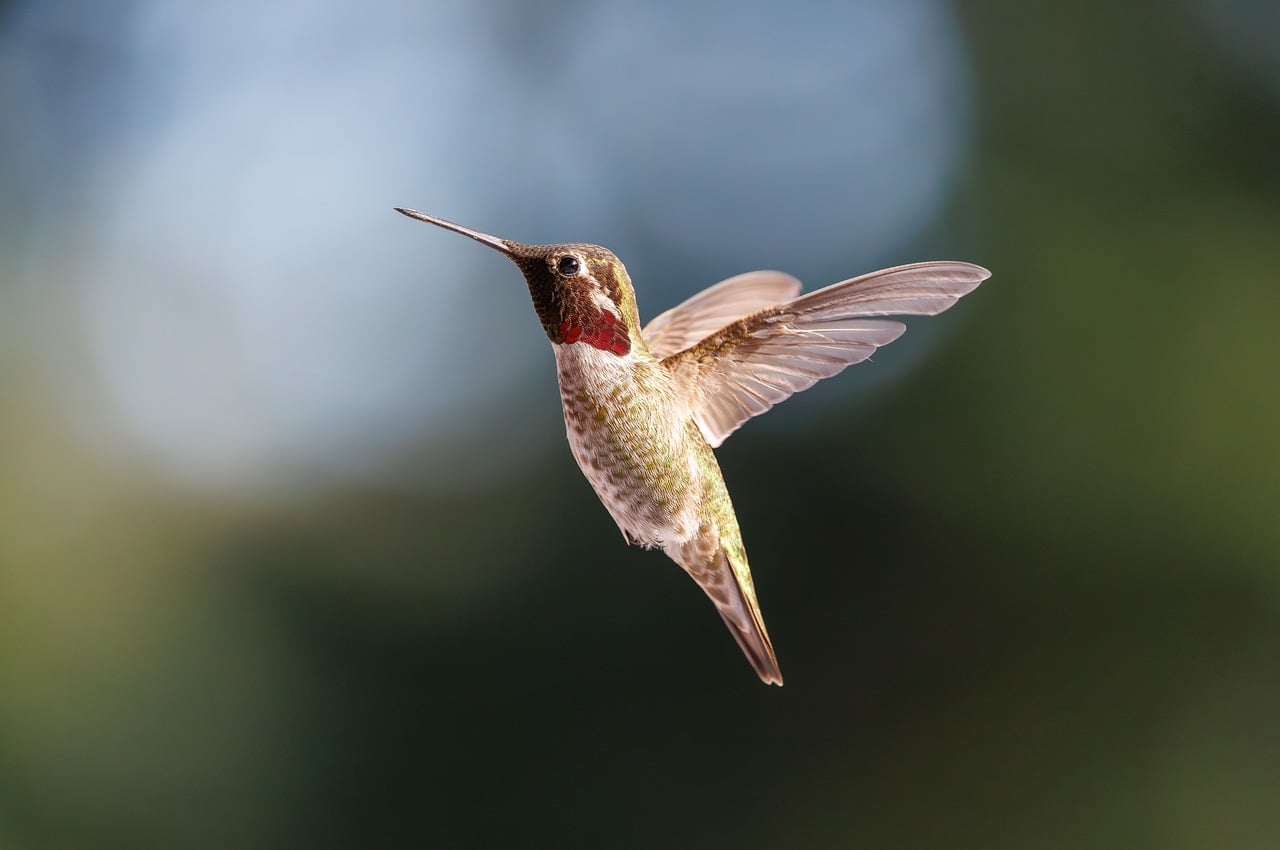
Male hummingbirds are notoriously territorial. To attract them, you must design your landscape to accommodate their need for dominance and clear sightlines. Males prefer to perch in high, exposed areas where they can survey their territory for rivals and potential mates. Place your feeders in open locations rather than tucked deep within dense foliage. This visibility is essential for attracting a male’s attention as he patrols his domain.
Because males are aggressive defenders of food sources, a single feeder often leads to one bird monopolizing the entire supply. To encourage multiple males to visit your yard, you must strategically manage your equipment:
- Install at least three feeders spaced at least 10 feet apart.
- Use visual barriers, such as large shrubs or garden structures, between feeders to break the line of sight.
- If a dominant male cannot see the other feeders, he is less likely to chase away competitors, allowing more birds to feed simultaneously.
Maintaining your equipment is as important as its placement. Hummingbirds are highly sensitive to spoiled nectar, which can harbor dangerous mold and bacteria. Proper sanitation requires more than a simple rinse; it demands mechanical cleaning to protect the birds’ health.
Follow these maintenance steps to ensure your feeders remain safe and attractive:
- Empty and rinse feeders every two to three days during hot weather.
- Use a long-handled bottle brush to scrub the interior ports and the reservoir thoroughly.
- Clean with hot water and a mild vinegar solution; avoid harsh soaps or bleach, which can leave toxic residues.
- Ensure the feeder is completely dry before refilling it with a simple solution of four parts water to one part white granulated sugar.
Never add red dyes to your sugar water. These chemicals provide no nutritional benefit and can be harmful to the birds’ delicate organs. By keeping your equipment clean and providing multiple, well-spaced feeding stations, you create a reliable environment that encourages males to establish a territory in your garden. Consistent maintenance ensures that your yard remains a preferred destination throughout the season, rather than a place they visit only once before moving on to cleaner, more accessible sources.
Safety Considerations for Garden Maintenance
Creating an inviting habitat for male hummingbirds often requires modifying your landscape, such as pruning trees to create clear flight paths or installing high-altitude feeders. While these tasks improve your garden’s appeal, they also introduce physical risks. Prioritizing safety during maintenance ensures that your outdoor projects remain productive rather than hazardous.
When working at heights, always use a sturdy, level ladder. Never overreach; instead, reposition the ladder to keep your center of gravity balanced. If you are pruning branches to clear space for territorial perches, wear protective eyewear. Falling debris, including twigs and sawdust, can cause significant eye irritation or injury. Additionally, consider wearing a wide-brimmed hat to shield your face and scalp from falling material.
Power tools, such as hedge trimmers or brush cutters, are efficient for clearing dense foliage, but they demand extra caution. Follow these safety protocols to prevent accidents:
- Wear Hearing Protection: Prolonged exposure to the high-decibel noise of outdoor power equipment can cause permanent hearing damage. Use earmuffs or earplugs rated for industrial noise.
- Use Heavy-Duty Gloves: Thick, vibration-dampening gloves protect your hands from thorns, sharp branches, and the jarring vibrations of motorized tools.
- Disconnect Power Sources: Before performing maintenance, clearing a jammed blade, or changing attachments, always disconnect the power cord or remove the battery. For gas-powered tools, ensure the engine is cool and the spark plug wire is disconnected to prevent accidental ignition.
Hand tools also require respect. Keep your shears, loppers, and saws sharp; a dull blade is more likely to slip and cause a deep laceration because it requires more force to operate. Always cut away from your body, keeping your non-cutting hand well clear of the blade’s path. If you are using a pole saw or long-reach pruner, be mindful of overhead power lines. Never operate tools within ten feet of electrical wires.
Finally, clear your workspace of obstacles before you begin. Tripping hazards, such as tangled hoses or loose garden debris, are common causes of falls when carrying heavy equipment. By maintaining a clean, organized work area and respecting the power of your tools, you can safely cultivate the perfect hummingbird-friendly sanctuary.

Frequently Asked Questions and Long-Term Care
Male hummingbirds are notoriously territorial and aggressive. While this behavior is fascinating to observe, it can lead to persistent fighting that prevents other birds from accessing your nectar sources. If you notice a dominant male chasing others away, the most effective solution is to increase the number of feeders in your yard. By placing multiple feeders in separate areas—ideally out of sight from one another—you force the dominant male to choose a single territory, allowing others to feed peacefully elsewhere in your garden.
Maintaining a healthy, pesticide-free garden is just as important as your feeder setup. While hummingbirds are famous for their love of nectar, males rely heavily on small insects and spiders for essential protein, especially during the breeding season. Avoid using synthetic pesticides or herbicides in your landscape. These chemicals not only eliminate the insect population that hummingbirds depend on but can also be toxic if ingested. Instead, focus on building a diverse ecosystem with native plants that naturally attract beneficial insects.
When performing routine garden maintenance, such as pruning shrubs or mowing the lawn, keep a close eye on your surroundings. Hummingbird nests are incredibly small and often well-camouflaged. Before using power equipment or heavy hand tools, do a quick visual sweep of the area to ensure you aren’t disturbing a nesting site.
If you encounter an injured bird, follow these safety guidelines:
- Do not attempt to handle the bird unless it is in immediate danger.
- Avoid feeding the bird sugar water or other liquids, as this can cause aspiration or further health complications.
- Contact a licensed local wildlife rehabilitator immediately. They have the specialized training and equipment necessary to provide proper care.
- If you must move the bird, gently place it in a small, ventilated box lined with a soft paper towel and keep it in a quiet, dark place until a professional can take over.
Long-term success in attracting male hummingbirds depends on creating a safe, reliable habitat. By providing multiple feeding stations, maintaining a natural food source through organic gardening, and being prepared to handle emergencies responsibly, you create an environment where these birds can thrive throughout the season.

Dedicated team of gardening enthusiasts with years of hands-on experience testing lawn mowers, gardening tools, and outdoor equipment. We help home gardeners and professionals alike make informed buying decisions with honest, thorough reviews. From push mowers to pruning shears, we test it all so you don’t have to. Got a gardening tool you’d like us to review? Get in touch!