
Attracting hummingbirds to nest in your backyard requires providing specific natural materials and secure, sheltered locations. You can transform your outdoor space into a sanctuary by integrating native plants, spiderwebs for nest construction, and reliable water sources. These small birds seek environments that offer both food security and protection from predators during their sensitive breeding season.
Creating a nesting habitat is a long-term project that goes well beyond simply hanging a nectar feeder. While feeders provide supplemental energy, hummingbirds prioritize gardens with diverse, multi-layered vegetation that mimics their natural wild habitats. Setting realistic expectations is essential, as these elusive creatures are highly selective about where they choose to build their tiny, camouflaged homes.
In this guide, we explore practical garden maintenance techniques and the right tools to foster a hummingbird-friendly landscape. You will learn how to strategically use outdoor power equipment and hand tools to manage your property without disturbing potential nesting sites. Follow our expert advice to cultivate a safe, thriving environment that encourages hummingbirds to return and raise their young every year.

Planting Native Flora for Nesting Success
Creating a sanctuary for hummingbirds begins with selecting the right vegetation. Native plants are essential because they have evolved alongside local bird populations, offering the exact nutritional profile and structural support hummingbirds require to successfully raise their young.
When planning your landscape, focus on layering your garden. Hummingbirds prefer nesting in dense, sheltered branches that provide security from predators and protection from the elements. Native shrubs and small trees, such as dogwoods, serviceberries, or native viburnums, offer the ideal architecture for these tiny, cup-shaped nests. Position these plants in areas with dappled sunlight to help regulate the microclimate of the nest.
To support the parents while they are nesting, you must ensure a reliable food supply is located within close proximity. If a female hummingbird has to travel too far for nectar, she spends less time incubating her eggs or feeding her chicks. Incorporate a diverse mix of native perennials that bloom at different times throughout the breeding season to ensure a consistent nectar flow:
- Bee Balm (Monarda): A high-energy nectar source that thrives in many soil types.
- Columbine (Aquilegia): One of the earliest blooming native plants, perfect for fueling early-season nesting.
- Native Honeysuckle (Lonicera sempervirens): A vining plant that provides both abundant nectar and structural complexity for the garden.
When maintaining these areas, avoid excessive pruning during the spring and summer months. Hummingbirds often utilize spider silk and lichen to bind their nests to tree branches, so maintaining a healthy, chemical-free ecosystem is vital. By avoiding pesticides, you ensure that the small insects hummingbirds hunt for protein remain available. This insect diet is just as important as nectar for the rapid growth of hummingbird nestlings.
Finally, consider the “wild” aesthetic. Hummingbirds are not attracted to overly manicured, sterile lawns. By leaving a portion of your yard slightly unkempt—with native shrubs left to grow naturally and leaf litter left in place to support insect populations—you create a more welcoming environment. A garden that functions as a natural habitat is far more likely to host a nesting pair than one that relies heavily on synthetic fertilizers or constant mechanical intervention. Focus on biodiversity, and the hummingbirds will notice.
Providing Essential Nesting Materials
To encourage hummingbirds to build nests in your yard, you must provide the specific building materials they require. A hummingbird nest is an engineering marvel, typically constructed from plant fibers and moss, bound tightly together with spider silk. This silk is essential because it allows the nest to expand as the chicks grow.
You can support this process by creating a “nesting supply station” within your landscape. Instead of manicuring every inch of your property, leave a few corners of your garden slightly wild. These undisturbed areas provide the perfect habitat for spiders, which are not only a primary source of silk but also a vital protein source for the birds themselves.
When selecting plants to include in your garden, prioritize those that provide soft, downy materials. Hummingbirds line their nests with these materials to ensure comfort and insulation for their eggs. Consider incorporating the following into your landscape:
- Dandelions: Allow these to go to seed in a controlled area of your yard to provide soft, fluffy pappus.
- Willow trees: The fuzzy catkins produced in spring are highly prized by nesting birds.
- Ferns: The soft, fuzzy scales found on the fiddleheads of many fern species are often harvested by hummingbirds.
- Cattails: The fluffy, downy seeds found in mature cattail heads are excellent nesting liners.
Safety is paramount when curating these materials. You must strictly avoid the use of synthetic pesticides and herbicides in your garden. These chemicals can linger on plant down and spider silk, leading to toxic exposure for both the adult birds and their vulnerable nestlings. If you use lawn care equipment or hand tools to manage your garden, be mindful of where you prune; avoid clearing away dead plant material or dried stalks too early in the spring, as these are often the best sources of nesting fibers.
By maintaining a chemical-free, slightly untidy environment, you provide the raw materials necessary for hummingbirds to successfully raise their young. A natural garden is not just aesthetically pleasing; it is a functional ecosystem that offers everything a hummingbird needs to thrive. When you stop over-managing your outdoor space, you invite these fascinating birds to make your home their own.

Maintaining a Safe Water Source
Hummingbirds require a reliable water source for both drinking and preening. Because their feathers are delicate, they prefer shallow water where they can safely bathe without the risk of drowning. Providing a dedicated space for them to hydrate and clean themselves is a vital step in encouraging them to nest nearby.
To create an ideal environment, install a shallow birdbath with a depth of no more than half an inch. Hummingbirds are naturally attracted to the sound and movement of water, so adding a mister or a dripper is highly effective. Moving water mimics the natural streams and dew-covered leaves they frequent in the wild, making it far more appealing than stagnant, standing pools.
Proper maintenance is essential to keep the water safe and prevent the spread of bacteria or algae. Follow these steps to ensure your water feature remains a healthy sanctuary:
- Daily Rinse: Use a garden hose with a gentle spray nozzle to rinse out the basin every morning to remove dust and debris.
- Weekly Scrub: Once a week, use a stiff-bristled hand brush to scrub the basin. Avoid harsh chemical cleaners; a simple solution of one part white vinegar to nine parts water is sufficient to disinfect the surface.
- Thorough Rinsing: After cleaning, rinse the basin thoroughly with fresh water until no scent of vinegar remains before refilling.
If your water feature relies on a pump or mister, you will likely need an electrical connection. Safety is paramount when mixing water and electricity in an outdoor setting. Always use heavy-duty, outdoor-rated extension cords designed for wet environments. Furthermore, every outdoor power source must be protected by a Ground Fault Circuit Interrupter (GFCI) outlet. This safety device is designed to cut power instantly if it detects a ground fault, preventing dangerous electrical shocks.
Before installing, inspect your equipment for any frayed wires or damaged housing. If you are using a solar-powered pump, ensure the panel is placed in a sunny, unobstructed area to maintain consistent flow. By keeping the water feature clean and the electrical components secure, you create a safe, inviting habitat that hummingbirds will return to throughout the nesting season.
Creating a Disturbance-Free Environment
Hummingbirds are incredibly sensitive to human activity, especially during the nesting season. Because their nests are roughly the size of a walnut shell and often camouflaged with lichen and spiderwebs, they are easily overlooked. Creating a disturbance-free environment requires a mindful approach to your regular garden maintenance.
Before you start any landscaping project, perform a thorough visual inspection of your trees and shrubs. Hummingbirds often prefer nesting on horizontal branches that offer both support and a clear view of the surrounding area. If you see a bird repeatedly flying to a specific spot, stop your work and observe from a distance to pinpoint a potential nest location.
When you are ready to perform routine maintenance, follow these safety and conservation practices:
- Perform a pre-work sweep: Walk through your garden and gently shake or inspect branches before firing up power equipment.
- Use manual tools when possible: Hand pruners and loppers are quieter and allow for more precise cuts, reducing the risk of accidental damage to nearby foliage.
- Prioritize PPE: When using hedge trimmers or chainsaws, always wear ANSI-rated eye protection and hearing protection. This ensures you can focus on your surroundings without distraction.
- Establish a buffer zone: If you identify an active nest, mark a 10-foot perimeter around the tree or shrub. Avoid using loud outdoor power equipment within this zone until the fledglings have left the nest.
- Time your pruning: Whenever possible, complete major tree and shrub pruning in late winter or very early spring, before nesting activity begins.
If you accidentally disturb a nesting area, back away immediately. Hummingbirds are defensive parents, but constant noise and vibration can cause them to abandon their eggs or chicks. By keeping your power equipment at a distance and maintaining a calm, quiet garden atmosphere, you significantly increase the chances of a successful nesting season.
Remember that your goal is to provide a sanctuary. By staying vigilant while using your lawn care equipment and hand tools, you can enjoy a well-maintained landscape while offering these tiny birds the peace they need to thrive. A little extra caution during your weekend gardening tasks goes a long way in protecting the next generation of hummingbirds in your backyard.
Managing Your Garden and Monitoring Progress
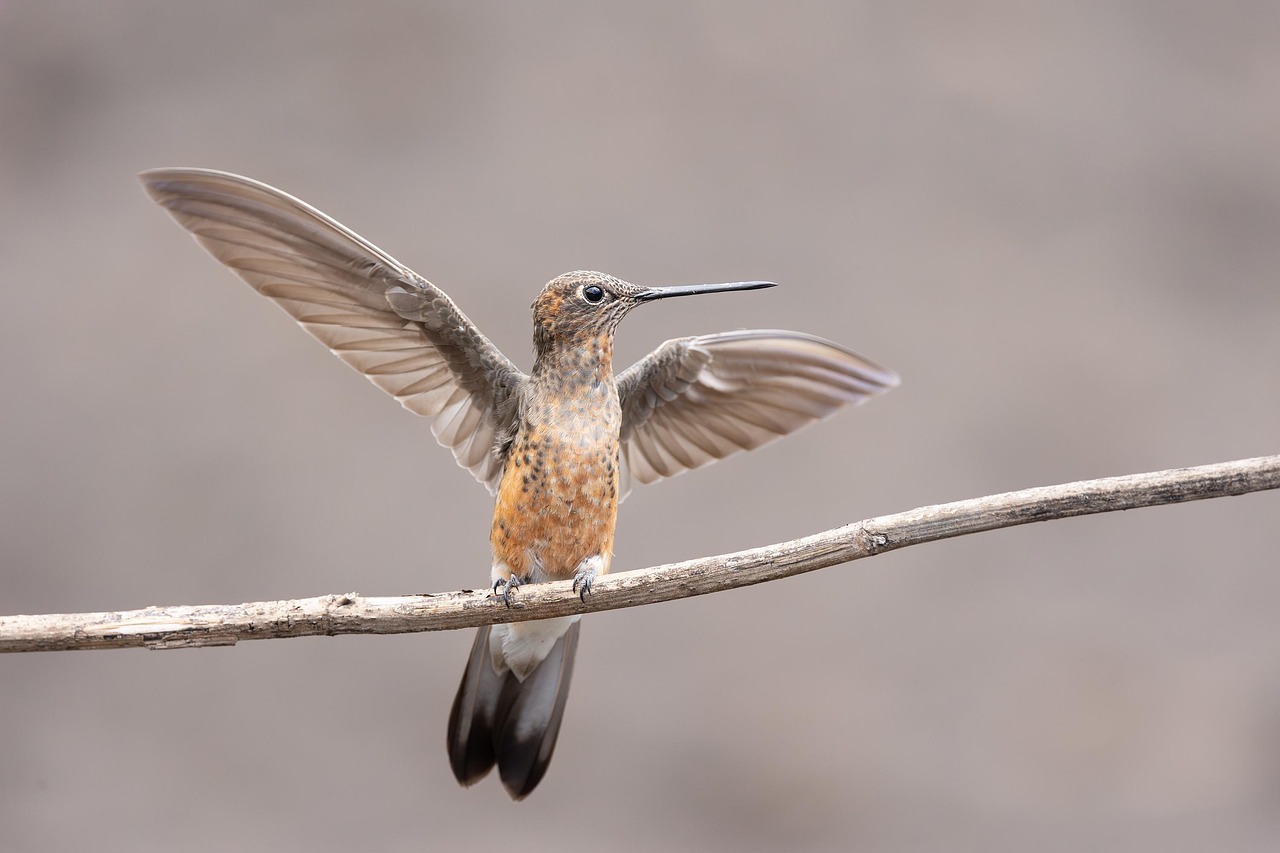
Creating a hummingbird-friendly landscape requires a delicate balance between active garden maintenance and hands-off observation. Once you have successfully attracted nesting hummingbirds, your primary role shifts from gardener to silent guardian. The most critical step is to maintain a respectful distance; hummingbirds are highly sensitive to human presence, and frequent disturbances can cause parents to abandon their nests entirely.
When performing routine yard work, such as using outdoor power equipment or hand tools, be mindful of the noise and vibration levels. If you are trimming hedges or maintaining flower beds, perform a thorough visual inspection of the area first to ensure you are not encroaching on a hidden nest. Avoid heavy pruning or major landscaping projects in areas where you have spotted nesting activity until the fledglings have fully departed.
If you encounter a situation that requires intervention, prioritize the safety of the wildlife over your own curiosity. If you find a fallen nest or an injured bird, do not attempt to handle or rehabilitate the animal yourself. Instead, follow these steps:
- Contact a licensed local wildlife rehabilitator immediately for professional guidance.
- Keep pets and children away from the location to prevent further stress to the bird.
- Document the location and condition of the bird to help the experts assess the situation.
While you should minimize your physical presence near the nest, you can still support the local population through consistent hygiene. Regularly clean your hummingbird feeders to prevent the buildup of mold and bacteria, which can be fatal to these small birds. Use a simple, safe cleaning solution:
- Mix a solution of one part white vinegar to four parts water.
- Scrub the feeder components thoroughly with a bottle brush.
- Rinse the feeder at least three times with clean water to ensure no residue remains.
- Allow the feeder to air dry completely before refilling it with fresh nectar.
By keeping your garden equipment quiet and your feeders pristine, you create a safe, healthy environment for hummingbirds to thrive. Continue to observe your backyard visitors from a distance using binoculars or a camera with a zoom lens. This allows you to enjoy the remarkable lifecycle of these birds without disrupting their nesting success, ensuring they continue to return to your garden season after season.

Dedicated team of gardening enthusiasts with years of hands-on experience testing lawn mowers, gardening tools, and outdoor equipment. We help home gardeners and professionals alike make informed buying decisions with honest, thorough reviews. From push mowers to pruning shears, we test it all so you don’t have to. Got a gardening tool you’d like us to review? Get in touch!