
To attract hummingbirds to your yard, you must provide a consistent source of nectar and a safe, sheltered environment. Planting native, tubular flowers is the most effective way to entice these birds, as they offer natural sustenance. Supplementing these blooms with a clean, well-maintained feeder ensures they return to your garden throughout the season.
Transforming your outdoor space into a hummingbird haven requires more than just a feeder. While these birds are naturally curious, they need a habitat that provides protection from predators and harsh weather. You should focus on creating a layered landscape that offers both open foraging areas and dense shrubs for essential nesting sites.
This guide outlines the essential steps to creating a welcoming habitat, from selecting the right plants to maintaining a safe, bird-friendly environment using your gardening tools effectively. We will explore how proper lawn care, strategic hand tool usage, and routine garden maintenance help you build a thriving ecosystem that hummingbirds will love to visit.
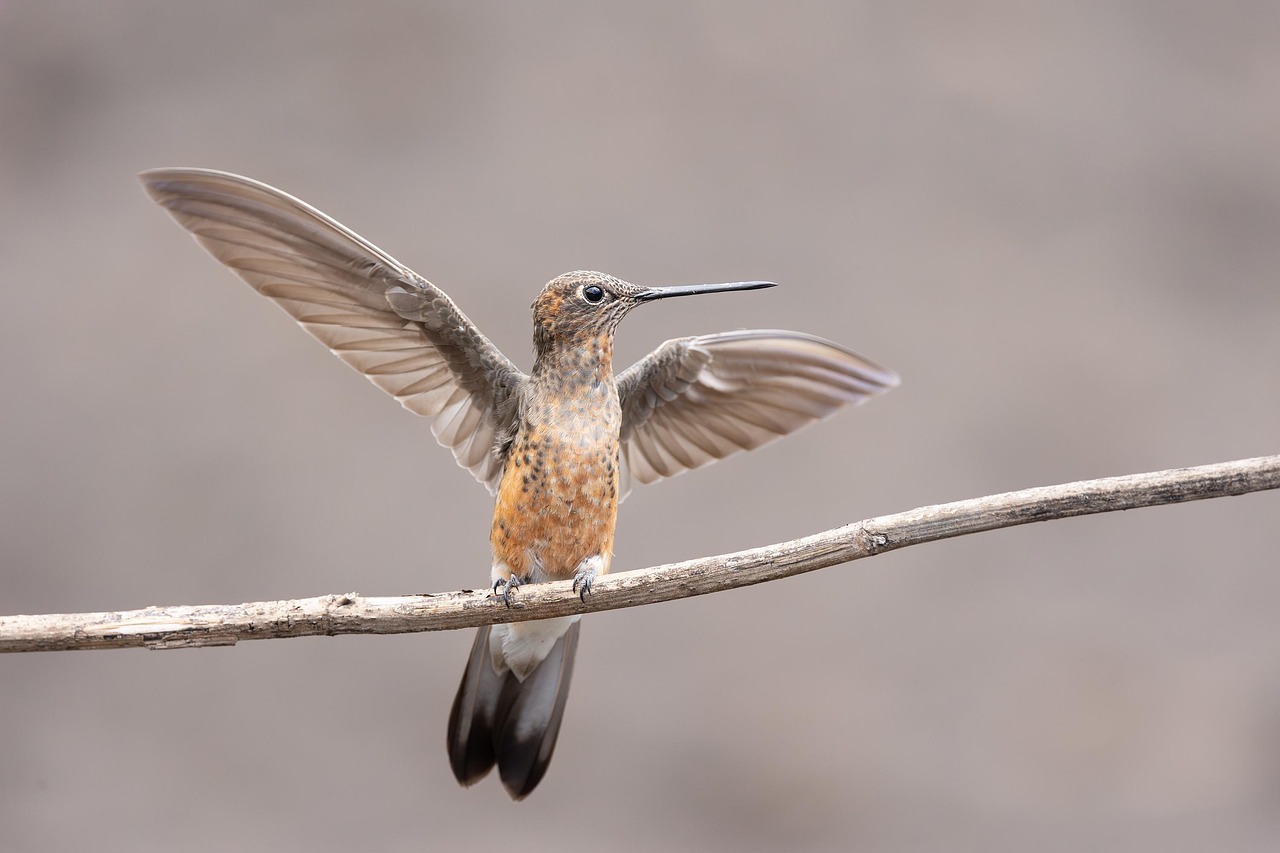
Choose the Right Nectar-Rich Plants
To turn your yard into a hummingbird sanctuary, you must prioritize nectar-rich, tubular flowers. Hummingbirds have long, specialized beaks and tongues perfectly adapted to reach deep into these blossoms. By selecting the right plant species, you provide the high-energy fuel these birds need to sustain their rapid metabolism.
Focus your efforts on native perennials, which are naturally adapted to your local climate and require less maintenance. Excellent choices include:
- Bee Balm (Monarda): Known for its vibrant, spiky blooms that hummingbirds find irresistible.
- Columbine (Aquilegia): These early-season bloomers provide essential nectar when other food sources may be scarce.
- Cardinal Flower (Lobelia cardinalis): Their brilliant red color acts as a beacon for passing hummingbirds.
When you are ready to establish your garden beds, your choice of hand tools makes a significant difference in plant health and presentation. Use a sturdy trowel to dig clean, appropriately sized holes, and a transplanter to ensure your new perennials are set at the correct depth without damaging delicate root systems. Proper planting techniques help your new additions establish quickly, ensuring a more robust display of blooms.
For the best results, avoid scattering individual plants throughout your yard. Instead, use your tools to create dense, vibrant color blocks. Planting in groups of three to five of the same species makes your garden much easier for hummingbirds to spot from a distance while they are scouting for food. These concentrated patches of color act as landing pads, signaling a reliable and abundant nectar source.
As you maintain these beds, keep your garden tools clean and sharp. Regularly deadheading spent blooms with precision pruners encourages your plants to produce more flowers throughout the season, extending the time your yard remains a hummingbird hotspot. Always prioritize native varieties over hybrids, as native plants typically produce more nectar and are better suited to support local ecosystems. By carefully selecting your flora and planting in intentional, visible clusters, you create a functional and beautiful landscape that will keep hummingbirds returning to your yard year after year.
Install and Maintain Hummingbird Feeders
Hummingbird feeders act as a reliable, high-energy food source, particularly during migration when natural nectar supplies may be scarce. To create a safe dining environment, mix a simple solution of four parts water to one part white granulated sugar. Boil the water first to ensure purity, stir in the sugar until completely dissolved, and allow the mixture to cool entirely before filling your feeders. Avoid using honey, molasses, or red dye, as these can be harmful to the birds.
When installing feeder hooks or decorative stands, stability is your top priority. Hummingbirds are sensitive to movement, and a swaying feeder can deter them. Ensure all hardware is securely anchored into solid wood or deep into the soil. If you are mounting hooks onto wooden posts or exterior structures, use a power drill to create pilot holes before driving in your screws. This prevents the wood from splitting and ensures a firm, long-lasting hold.
Safety must remain the focus during your installation process:
- Eye Protection: Always wear safety glasses when using power drills or hand tools to protect your eyes from wood chips, dust, and flying debris.
- Ladder Safety: If you are mounting feeders in high locations, ensure your ladder is placed on level, stable ground. Never overreach; move the ladder to maintain a comfortable, centered position.
- Tool Maintenance: Keep your hand tools clean and rust-free. A sharp drill bit or screwdriver requires less physical force, reducing the risk of slipping and causing injury.
Regular maintenance is just as important as the initial setup. Feeders should be cleaned at least twice a week—or more frequently during hot weather—to prevent the growth of mold and harmful bacteria. Use a soft bottle brush and warm, soapy water to scrub the ports and reservoir thoroughly. Rinse every component meticulously to ensure no soap residue remains. By keeping your equipment clean and securely mounted, you provide a safe, welcoming oasis that will encourage hummingbirds to return to your yard throughout the season.

Provide Water and Essential Shelter
Hummingbirds require more than just nectar to thrive; they need a reliable source of water for both drinking and bathing. Because these birds rarely land on the ground, they prefer shallow water sources. A standard birdbath is often too deep, so consider adding decorative stones to create a shallow landing area. Since hummingbirds are attracted to the sound and sparkle of movement, installing a small mister or a solar-powered dripper is highly effective. The consistent motion signals that the water is fresh and safe for them to use.
Beyond hydration, you must provide adequate shelter. Hummingbirds rely on dense shrubs and trees to hide from predators, escape harsh weather, and rest between feeding sessions. Maintaining these perching spots requires regular garden upkeep. When managing your landscape, keep these practical tips in mind:
- Use the right tools: Utilize sharp pruning shears for precision cuts on small branches or hedge trimmers for shaping larger shrubs. Keeping your equipment clean and oiled ensures clean cuts that promote plant health.
- Prioritize safety: Always wear heavy-duty gardening gloves when working with blades. This protects your skin from thorns and provides a better grip on your tools.
- Maintain a safe distance: Never reach across the cutting path of your shears or trimmers. Always keep your non-dominant hand well away from the blade’s trajectory to prevent accidental cuts.
- Create perching zones: Aim to leave a few “dead” or twiggy branches within your shrubs. Hummingbirds prefer these exposed, thin perches as they provide a clear view of the surrounding area, allowing them to spot both potential threats and incoming food sources.
Proper lawn care equipment, such as a string trimmer, can also help you manage the areas directly beneath your shrubs. By keeping the ground clear of tall, overgrown weeds, you make it easier to clean your birdbath and monitor the health of your plants. Remember that a well-maintained garden is not just about aesthetics; it is about creating a functional habitat. By balancing your use of power equipment for general maintenance with careful hand-pruning for shelter, you create an inviting, multi-layered environment that encourages hummingbirds to make your yard their permanent home.
Create a Safe and Pesticide-Free Environment
Hummingbirds are renowned for their love of nectar, but they actually require a diet rich in protein to survive. They obtain this vital nutrient by consuming small insects, such as gnats, fruit flies, and spiders. To turn your yard into a true hummingbird sanctuary, you must prioritize a pesticide-free ecosystem that supports these tiny food sources.
Chemical pesticides do not discriminate; they kill the very insects that hummingbirds rely on for survival. Furthermore, these chemicals can be toxic if ingested by birds. By eliminating synthetic insecticides, herbicides, and fungicides, you allow a natural, healthy food chain to flourish in your garden.
Your approach to garden maintenance and the use of power equipment also plays a significant role in sustaining this habitat. Follow these practical tips to manage your yard responsibly:
- Minimize leaf litter removal: Instead of clearing every corner of your garden, leave small piles of leaves in garden beds. Decaying organic matter is a primary breeding ground for the small gnats and flies that hummingbirds hunt.
- Use power equipment sparingly: When using leaf blowers, lawn mowers, or string trimmers, keep noise levels moderate. Hummingbirds are sensitive to loud, persistent machinery, which can cause them to abandon a nesting site.
- Maintain natural borders: Allow areas of your yard to remain slightly “wild.” Unmanicured edges provide shelter for spiders and insects, ensuring a steady supply of protein throughout the breeding season.
- Choose manual tools: For routine maintenance, opt for hand tools like pruners, rakes, and hoes. They are quieter, more precise, and less disruptive to the delicate micro-habitats where insects thrive.
If you must perform heavy lawn care or yard maintenance, try to schedule these tasks during the early morning or late evening when hummingbird activity is at its lowest. Avoid using blowers near nesting sites, as the high-velocity air can displace nests or disturb the insects the birds are trying to catch.
By embracing a slightly more relaxed approach to landscaping, you provide more than just sugar water; you provide a complete, self-sustaining ecosystem. A yard that is safe from chemicals and respectful of natural insect habitats will quickly become a favorite destination for hummingbirds, ensuring they return to your garden year after year.

Common Questions and Ongoing Maintenance
Maintaining a hummingbird-friendly yard requires more than just planting nectar-rich flowers; it involves consistent upkeep of your feeders and garden structures. A clean environment is the most effective way to keep your avian visitors healthy and returning to your yard throughout the season.
Feeder hygiene is critical for preventing the growth of harmful mold and bacteria. To keep your equipment safe:
- Wash all feeders at least twice a week using hot water and a mild, fragrance-free soap.
- Use a small bottle brush to reach inside narrow ports and crevices where sugar residue can accumulate.
- Rinse thoroughly to ensure no soap residue remains, as this can be toxic to birds.
- If you spot black mold, soak the feeder in a solution of one part white vinegar to nine parts water before scrubbing.
Your broader garden maintenance routine should also prioritize safety. Regularly inspect your garden structures—such as trellises, hanging basket hooks, and decorative poles—for signs of rust, loose hardware, or structural wear. Hummingbirds are agile, but they can easily become entangled in frayed garden netting or injured by unstable equipment during high winds. Tightening bolts and repairing damaged supports ensures that your yard remains a sanctuary rather than a hazard.
While you focus on maintenance, keep a watchful eye on the health of the birds visiting your feeders. If you notice a hummingbird that appears lethargic, has matted feathers, or exhibits difficulty flying, do not attempt to handle the bird yourself. Instead, contact your local university extension office or a licensed wildlife rehabilitation center. These professionals can provide specific guidance based on local disease outbreaks or environmental concerns in your area.
Finally, consider the tools you use for general lawn care. When using outdoor power equipment like mowers or string trimmers, always check the perimeter of your flower beds for hidden nests before you begin. Hummingbird nests are incredibly small and often camouflaged with lichen, making them easy to overlook. By integrating these simple maintenance checks into your weekly gardening routine, you create a sustainable, safe, and welcoming habitat that encourages hummingbirds to thrive in your backyard all season long.

Dedicated team of gardening enthusiasts with years of hands-on experience testing lawn mowers, gardening tools, and outdoor equipment. We help home gardeners and professionals alike make informed buying decisions with honest, thorough reviews. From push mowers to pruning shears, we test it all so you don’t have to. Got a gardening tool you’d like us to review? Get in touch!