
Attracting hummingbirds to your outdoor space is a rewarding way to bring life and color to your garden. By understanding their specific needs for food, water, and shelter, you can create a welcoming habitat that encourages these pollinators to return year after year, turning your backyard into a vibrant, avian sanctuary.
However, success requires more than just hanging a single feeder. These birds are highly territorial and require a consistent, diverse environment to thrive throughout the season. You must balance your landscaping efforts with the right lawn care equipment and garden maintenance routines to ensure your plants remain healthy and attractive to visitors.
In this guide, we explore the essential hand tools and outdoor power equipment needed to maintain a hummingbird-friendly landscape. From selecting the best nectar-rich flowers to installing water features and safe nesting sites, we provide practical, step-by-step advice to help you cultivate a thriving garden that hummingbirds will love to visit daily.

Choose the Right Nectar-Rich Plants
To turn your backyard into a hummingbird sanctuary, you must prioritize high-energy food sources. Hummingbirds have incredibly fast metabolisms and require a constant supply of nectar to fuel their rapid wing beats. They are naturally drawn to vibrant, tubular-shaped flowers that accommodate their long, slender beaks.
Focusing on native plant species is the most effective way to attract these birds. Native plants have evolved alongside local pollinators, ensuring the nectar is accessible and nutritious. Incorporate these reliable favorites into your landscape:
- Bee Balm (Monarda): A perennial favorite that produces striking, spiky blooms.
- Trumpet Vine (Campsis radicans): A vigorous climber that provides a high volume of nectar-rich, tubular flowers.
- Columbine (Aquilegia): Perfect for early-season feeding, these unique flowers offer a nectar source when other plants are just waking up.
- Salvia: Available in many varieties, these long-blooming plants are highly attractive to hummingbirds throughout the summer.
How you arrange these plants is just as important as the species you choose. Hummingbirds are aerial foragers; they scan the landscape from above while in flight. If your flowers are scattered in isolated spots, the birds may miss them entirely.
Instead, plant your nectar-rich flowers in dense, colorful clusters or “drifts.” Grouping plants of the same species together creates a larger visual target, making it much easier for hummingbirds to spot your garden as they travel through your neighborhood. This cluster approach also allows the birds to feed efficiently, moving from bloom to bloom without wasting precious energy flying long distances between plants.
When preparing your garden beds, ensure the soil is well-draining and enriched with organic compost to support vigorous growth. If you are using hand tools to plant, take care to clear away invasive weeds that might compete with your nectar sources for water and nutrients. By maintaining healthy, accessible, and highly visible patches of flowers, you create a reliable refueling station that will keep hummingbirds returning to your garden throughout the season.
Finally, avoid using chemical pesticides in your flower beds. Hummingbirds also supplement their nectar diet with small insects and spiders, which provide essential protein. A healthy, chemical-free garden supports the entire food web these birds depend on.
Install and Maintain Hummingbird Feeders
Providing supplemental nectar is one of the most effective ways to increase hummingbird activity in your yard. While native flowers are essential, feeders act as a reliable energy source, especially during peak migration or when natural blooms are scarce. To ensure your feeders remain a safe, inviting destination, consistent maintenance is required.
The best nectar is a simple homemade solution that mimics the sugar content of natural floral nectar. Avoid buying commercial mixes that contain artificial preservatives or dyes, as these can be toxic to birds. Stick to this basic recipe:
- Mix one part white granulated sugar with four parts water.
- Boil the water to dissolve the sugar completely, then let it cool to room temperature.
- Never use honey, which can cause fatal fungal infections, or molasses, which contains minerals that are difficult for hummingbirds to digest.
- Do not add red dye; hummingbirds are naturally attracted to the red color of the feeder itself.
Proper sanitation is the most critical aspect of feeder maintenance. Sugar water ferments quickly in warm weather, creating an environment where mold and bacteria thrive. These pathogens can cause severe illness or death in hummingbirds. To keep your visitors healthy, follow these cleaning practices:
- Clean your feeders every three to four days, or more frequently during periods of high heat.
- Disassemble the feeder completely and scrub every part with hot water and a dedicated bottle brush.
- Avoid using harsh soaps or detergents, which can leave toxic residues. If you must use soap, ensure it is mild and rinse the feeder thoroughly multiple times.
- If you notice black spots or a cloudy film, soak the components in a solution of one part white vinegar to two parts water before scrubbing.
By keeping your feeders scrupulously clean and the nectar fresh, you create a sustainable food source that encourages hummingbirds to return to your garden throughout the season. Position your feeders in a shaded area to slow fermentation and keep the nectar cool. When you maintain a consistent routine, you ensure that your garden remains a safe, high-energy sanctuary for these fast-moving pollinators.
Provide Water and Safe Nesting Sites
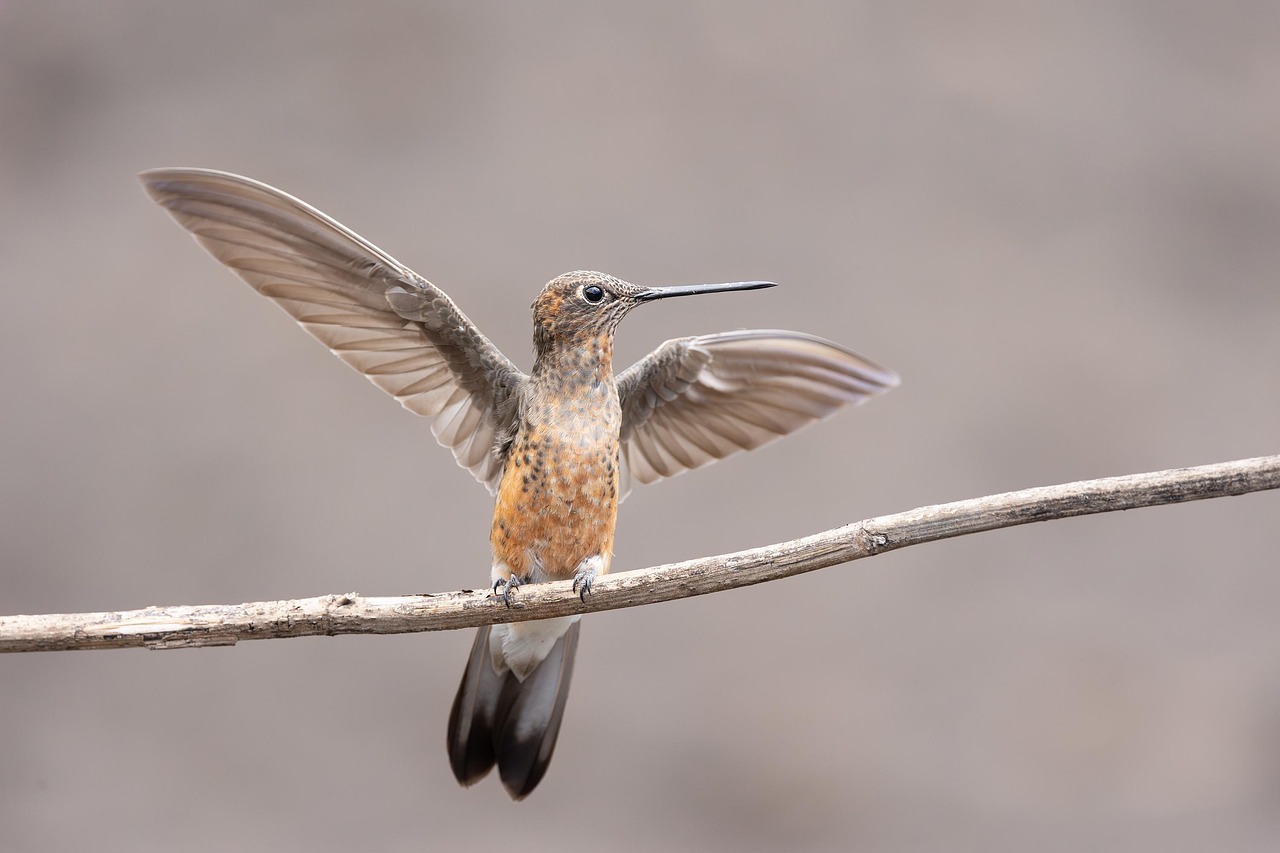
Hummingbirds require more than just nectar to thrive in your landscape. Providing a reliable source of clean water and secure nesting habitat is essential for encouraging these birds to stay throughout the season. Because hummingbirds are small and vulnerable, they are highly selective about where they drink, bathe, and raise their young.
Hummingbirds rarely use deep birdbaths. Instead, they prefer shallow water features that allow them to hover or perch safely. Since they are naturally attracted to the sound and sparkle of moving water, incorporating motion is the most effective way to draw them in.
Consider these tips for your water features:
- Use a mister: A dedicated birdbath mister creates a fine spray that mimics natural dew. Hummingbirds love to fly through the mist to bathe.
- Add a dripper: A simple water dripper attached to a birdbath creates ripples that catch the light, making the water source visible from the air.
- Keep it clean: Scrub your birdbath weekly with a stiff-bristled hand brush to prevent algae buildup and mosquito larvae. Avoid harsh chemicals; a mixture of vinegar and water is sufficient.
Beyond hydration, your garden must offer sanctuary. Hummingbirds are territorial and need dense, protective foliage to feel safe from predators like hawks or neighborhood cats. Proper garden maintenance plays a significant role here.
To create a bird-friendly environment, focus on the following structural elements:
- Layer your plantings: Use a mix of small trees, evergreen shrubs, and perennial flowers. This vertical layering provides multiple levels of cover.
- Preserve nesting sites: Hummingbirds build tiny, cup-shaped nests using spider silk and lichen. Avoid aggressive pruning of dense shrubs during the spring nesting season to ensure these delicate structures remain undisturbed.
- Provide perches: Hummingbirds spend a significant portion of their day resting. Leave thin, dead twigs on trees or shrubs, as these make excellent vantage points for them to monitor their territory.
By integrating these features, you transform your yard from a simple feeding station into a complete habitat. A garden that offers both sustenance and security will naturally become a frequent destination for hummingbirds, allowing you to observe their fascinating behaviors up close throughout the warmer months.
Essential Garden Maintenance Safety
Creating a hummingbird-friendly habitat requires consistent maintenance, but your safety should always be the priority. Proper tool management ensures your plants remain healthy and your garden remains a safe haven for both you and your visiting birds.
When pruning nectar-rich shrubs or clearing brush, always use sharp, well-maintained hand tools. Dull blades crush plant stems rather than slicing through them, leaving jagged wounds that invite fungal infections and pests. A clean, sharp cut allows the plant to heal quickly, ensuring it continues to produce the high-quality nectar hummingbirds crave.
To keep your hands protected during these tasks, follow these essential safety practices:
- Wear puncture-resistant gardening gloves to shield your skin from hidden thorns, sharp twigs, and potential skin irritants like poison ivy.
- Always keep your fingers clear of the cutting path when using bypass pruners or loppers.
- Sanitize your blades with rubbing alcohol between plants to prevent the spread of disease.
If your garden design involves larger areas of lawn or dense hedges, you may need power trimmers or edgers to maintain clear flight paths for hummingbirds. Operating this equipment requires extra vigilance to prevent accidents. Before you start the engine or plug in your tool, ensure you are wearing the following protective gear:
Safety Essentials for Power Equipment:
- Safety Goggles: Protect your eyes from flying debris, wood chips, and kicked-up gravel.
- Sturdy Footwear: Wear closed-toe, non-slip boots to protect your feet from accidental contact with blades or heavy equipment.
- Hearing Protection: Use earplugs or muffs to prevent long-term damage from loud engine noise.
Finally, be mindful of your environment. Hummingbird gardens often feature birdbaths or small ponds. Never operate electric power tools near water features or during damp, rainy conditions. Water and electricity are a dangerous combination; even a small amount of moisture can create a severe shock hazard. Always double-check that your power cords are in good condition, free of frays, and kept well away from the blades. By maintaining your tools and following these safety protocols, you create a sustainable, beautiful space where hummingbirds can thrive safely throughout the season.
Common Questions and Long-Term Care
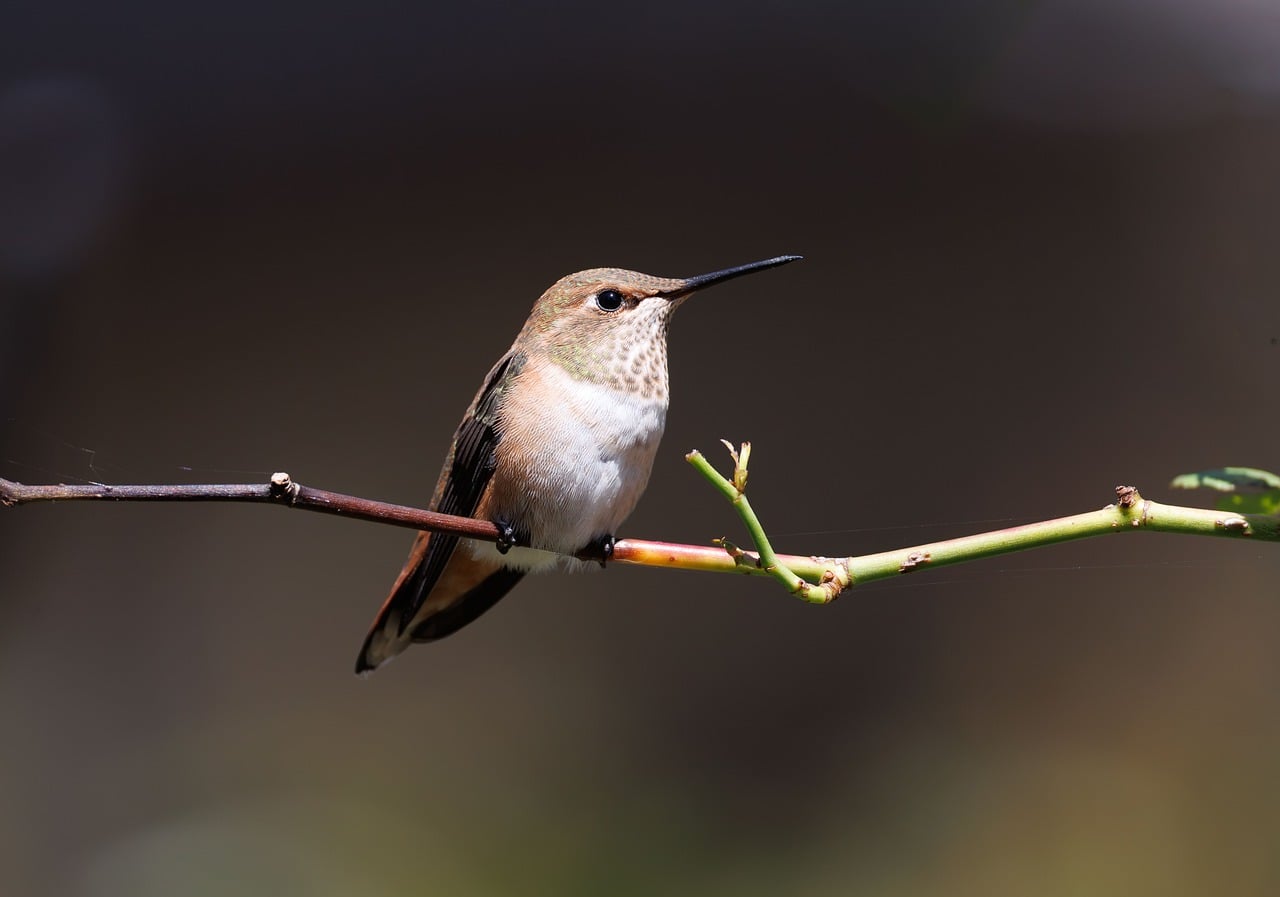
Attracting hummingbirds is a rewarding long-term commitment. Because these birds are migratory, their presence in your garden will fluctuate throughout the year. To maximize your success, research the typical arrival and departure dates for your specific region. By aligning your garden maintenance schedule with these natural cycles, you ensure that nectar sources are blooming exactly when the birds need them most.
Maintaining a hummingbird-friendly environment requires a shift in how you approach yard work. To keep your garden safe and sustainable, follow these essential guidelines:
- Eliminate Pesticides: Hummingbirds rely on small insects and spiders for essential protein. Using chemical pesticides kills these food sources and can be toxic to the birds themselves. Opt for natural pest control or integrated pest management techniques.
- Safe Cleaning: If you use nectar feeders, clean them at least twice a week with hot water and a mild vinegar solution. Avoid using bleach, which can leave harmful residues.
- Tool Maintenance: Keep your hand tools, such as pruning shears and deadheaders, sharp and clean. Proper maintenance allows you to prune spent blooms efficiently, which encourages plants to produce more nectar-rich flowers.
- Power Equipment Caution: When using lawn care equipment like string trimmers or leaf blowers, be mindful of low-hanging shrubs or dense foliage where hummingbirds may be nesting. Avoid heavy landscaping work during peak nesting seasons.
Occasionally, you may encounter a hummingbird that appears injured, lethargic, or unresponsive. While it is natural to want to intervene, avoid handling the bird yourself. Hummingbirds have incredibly high metabolisms and fragile skeletal structures; improper handling can cause significant stress or physical damage. Instead, follow these steps:
- Observe the bird from a distance to see if it is simply resting or stunned.
- If the bird remains unresponsive, contact a licensed local wildlife rehabilitation center immediately.
- Provide the professionals with your exact location and a description of the bird’s behavior.
- Follow their specific instructions regarding containment or transport.
By keeping your garden free of synthetic chemicals and maintaining your equipment with care, you create a reliable sanctuary. A healthy, pesticide-free ecosystem is the single most important factor in ensuring these tiny travelers return to your yard season after season.

Dedicated team of gardening enthusiasts with years of hands-on experience testing lawn mowers, gardening tools, and outdoor equipment. We help home gardeners and professionals alike make informed buying decisions with honest, thorough reviews. From push mowers to pruning shears, we test it all so you don’t have to. Got a gardening tool you’d like us to review? Get in touch!