
To attract hummingbirds to your backyard, focus on planting nectar-rich native flowers and installing reliable water features. These tiny pollinators thrive in environments that offer consistent food sources and safe spaces to rest. By curating your landscape with vibrant, tubular blooms, you can easily turn your outdoor area into a bustling, avian-friendly sanctuary.
Transforming your outdoor space into a sanctuary requires understanding their natural needs for food, water, and shelter. While hummingbirds are naturally curious, they prioritize gardens that provide high-energy fuel and protection from predators. Success depends on patience and consistent maintenance, as these birds often return to reliable habitats throughout the blooming season.
This guide provides actionable steps to create an inviting environment that keeps these pollinators returning to your garden season after season. We will cover essential garden maintenance, the best tools for managing nectar-rich plants, and tips for using outdoor power equipment to shape your landscape. Get ready to enjoy the vibrant beauty of hummingbirds right outside your home.
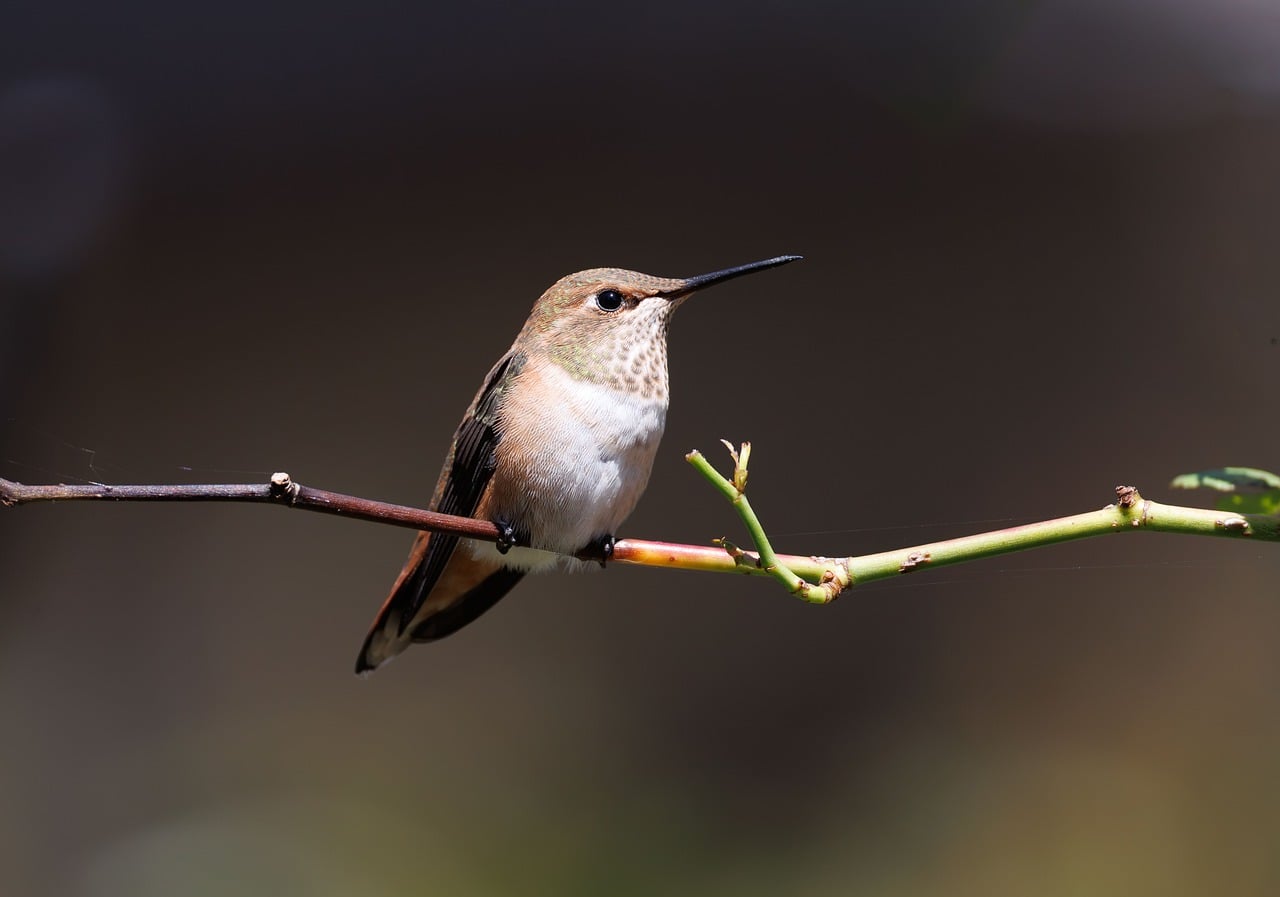
Selecting the Right Nectar-Rich Plants
The secret to turning your backyard into a hummingbird sanctuary lies in your plant selection. Hummingbirds have high metabolic rates and require a constant, reliable source of high-energy nectar. By choosing the right native species, you provide the essential fuel these birds need to thrive.
Focus on plants with tubular-shaped blooms. These specialized structures are perfectly adapted to the hummingbird’s long bill and tongue. While hummingbirds are attracted to a variety of colors, they show a strong preference for vibrant shades of red, orange, and pink, which signal high nectar content.
To ensure your garden remains a destination throughout the entire season, aim for a balanced mix of perennials and annuals. Perennials provide a dependable, recurring food source, while annuals offer a massive burst of color and nectar during the peak heat of summer. When planting, consider these high-performance options:
- Bee Balm (Monarda): A classic perennial that produces striking, nectar-rich flowers in shades of red and pink.
- Trumpet Honeysuckle: A vigorous vine that provides early-season food and vertical interest.
- Cardinal Flower (Lobelia cardinalis): Known for its intense, deep red color, this plant is a magnet for hummingbirds in late summer.
- Salvia: Available in many varieties, these plants offer long-lasting, tubular blooms that are easy for birds to access.
- Columbine: An excellent choice for spring, providing early nectar when other sources may be scarce.
When preparing your garden beds, use high-quality hand tools like a sharp trowel and a transplanting spade to minimize root disturbance during installation. Ensure your soil is well-draining and rich in organic matter to support vigorous growth. If you are planting in containers or raised beds, utilize a high-quality potting mix to maintain consistent moisture levels, as thirsty plants produce more nectar.
Avoid using pesticides or synthetic fertilizers near your nectar sources. Hummingbirds also rely on tiny insects for protein; a healthy, chemical-free garden ecosystem provides a secondary food source that keeps birds coming back. By staggering your planting times, you create a seamless “nectar corridor” that supports hummingbirds from their spring arrival until their fall migration. With a thoughtful selection of native flora, your backyard will quickly become a vibrant, buzzing hub of activity.
Setting Up and Maintaining Hummingbird Feeders
While planting nectar-rich flowers provides a natural food source, installing hummingbird feeders is the most effective way to guarantee frequent visits to your yard. Feeders act as a reliable supplemental energy source, especially during peak migration or when local blooms are scarce. To keep hummingbirds healthy and returning, you must prioritize cleanliness and proper nutrition.
The standard recipe for hummingbird nectar is simple and mimics the sugar concentration found in many natural flowers. Mix one part white granulated sugar with four parts water. Stir until the sugar is completely dissolved. It is vital to follow these safety guidelines:
- Use only white granulated sugar: Do not use organic, brown, or raw sugars, as they contain iron levels that can be toxic to hummingbirds.
- Avoid additives: Never use honey, which can cause fatal fungal infections, or artificial sweeteners, which provide no energy.
- Skip the red dye: Commercial red dyes are unnecessary and potentially harmful. Most feeders are already designed with red components to attract birds naturally.
Maintenance is the most critical aspect of feeder care. Sugar water ferments quickly, especially in warm weather, creating a breeding ground for mold and bacteria that can be lethal to birds. You should clean your feeders at least twice a week—or more frequently if the temperature exceeds 80°F.
To clean your equipment effectively, disassemble the feeder completely. Use a dedicated bottle brush to scrub the interior of the reservoir and the feeding ports with hot water. Avoid using harsh soaps or bleach, as chemical residues can linger and harm the birds. If you notice black spots or a cloudy film that does not come off with hot water, the feeder may need to be replaced. A clean feeder ensures that hummingbirds stay healthy and continue to view your garden as a safe, reliable sanctuary.
For the best results, place your feeders in a shaded area to prevent the sugar water from spoiling too rapidly. If you have multiple feeders, space them out to reduce territorial aggression, as hummingbirds can be fiercely protective of their food sources. By maintaining a consistent, sanitary feeding station, you significantly increase your chances of enjoying these remarkable birds in your backyard throughout the season.

Creating a Hummingbird-Friendly Landscape
To attract hummingbirds, your backyard must offer more than just nectar-rich flowers; it requires a structural sanctuary. These birds need reliable perches for resting and dense foliage for protection against predators and harsh weather. By strategically integrating native shrubs and small trees, you create a multi-layered habitat that mimics their natural environment.
When selecting plants, prioritize species that provide both food and cover. Dense-growing shrubs, such as viburnum or serviceberry, offer excellent nesting sites. As these plants mature, regular maintenance is essential to keep them healthy and accessible for the birds. Proper pruning encourages the dense, twiggy growth that hummingbirds prefer for securing their nests.
Effective garden maintenance requires the right equipment. Keep your toolkit well-maintained to ensure clean cuts that promote plant health. When shaping your landscape, utilize these essential tools:
- Bypass Pruning Shears: Ideal for precision cuts on smaller branches and deadheading flowers.
- Hedge Trimmers: Useful for shaping larger shrubs to maintain a tidy, dense structure.
- Loppers: Necessary for removing thicker, overgrown branches that may be blocking sunlight or airflow.
- Hand Rakes: Used to clear debris around the base of trees to keep nesting areas clean.
Safety should always be your primary concern when operating outdoor power equipment or manual hand tools. Before you begin any pruning or shaping, equip yourself with the proper protective gear. Always wear impact-resistant safety glasses to shield your eyes from flying debris, such as wood chips or stray thorns. Additionally, durable work gloves are non-negotiable; they provide a better grip on tool handles and protect your hands from sharp edges, thorns, and potential blisters.
When using power equipment like electric hedge trimmers, ensure your power cords are clear of the cutting path and that you maintain a stable footing on the ground. Avoid overreaching, which can lead to uneven cuts and physical strain. If you are trimming high branches, use a sturdy step ladder on level ground rather than attempting to reach from an unstable position. By maintaining your landscape with care and caution, you create a safe, inviting haven that will encourage hummingbirds to return to your backyard season after season.
Providing Essential Water Sources
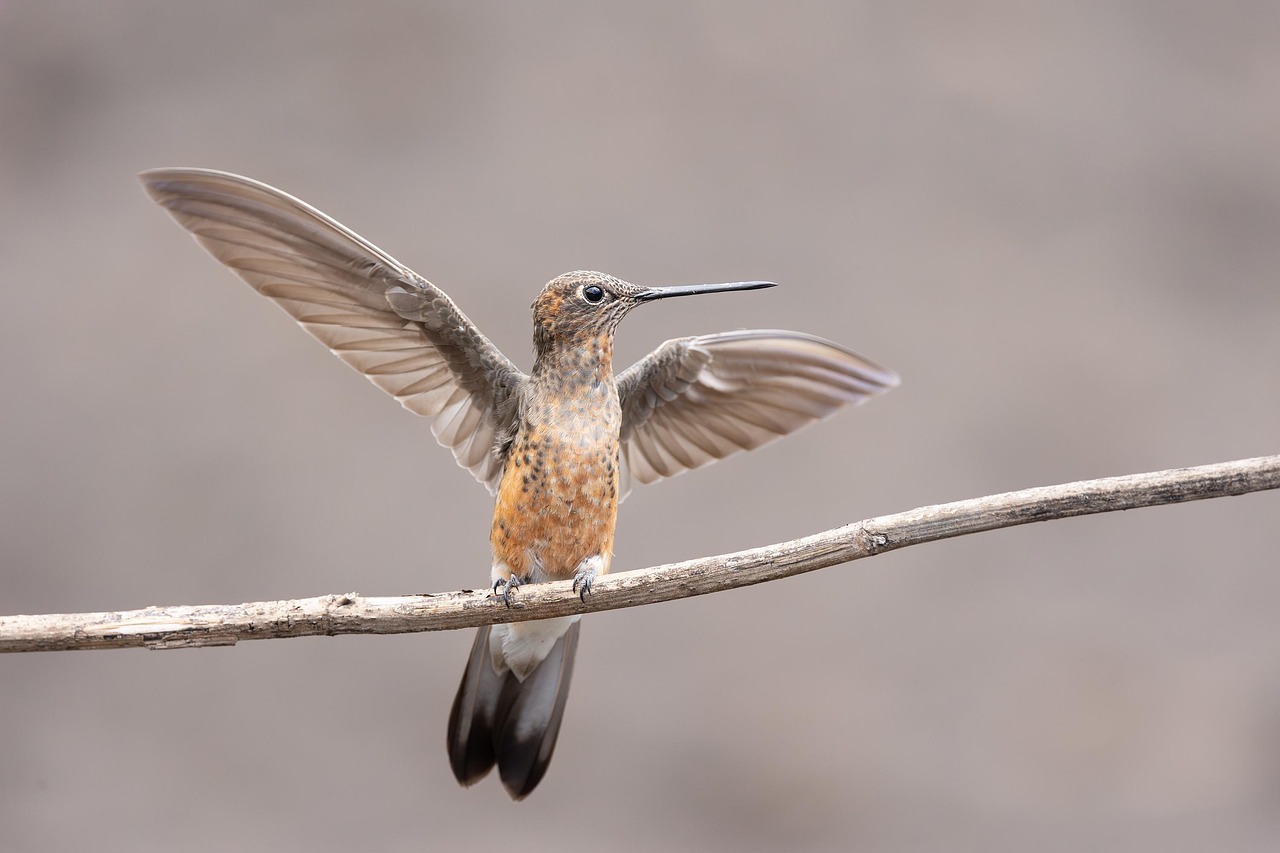
While nectar-rich flowers provide the energy hummingbirds need, water is equally vital for their survival. Unlike songbirds that frequent traditional deep-basin birdbaths, hummingbirds are physically ill-equipped for standing water. Their tiny frames struggle with depth, and they rarely perch to bathe. Instead, they prefer to fly directly through fine, moving water to cleanse their feathers and hydrate.
To successfully attract these birds, you must replicate the conditions they seek in nature. The most effective method is installing a dedicated mister or a fountain designed with a gentle, vertical spray. These features mimic the light rainfall or dew-covered leaves that hummingbirds naturally utilize in the wild.
When selecting and installing your water features, keep these practical maintenance and safety tips in mind:
- Prioritize Shallow Surfaces: If you use a fountain, ensure the basin is shallow with a textured bottom to provide grip, or focus entirely on the spray mechanism itself.
- Maintain Constant Movement: Hummingbirds are attracted to the shimmer and sound of moving water. Regularly clean your pump filters to prevent debris from clogging the nozzle and obstructing the spray pattern.
- Ensure Electrical Safety: If your fountain or mister relies on an electric pump, use only equipment rated for outdoor use. All power connections must be plugged into GFCI-protected outlets to prevent electrical hazards in your garden.
- Secure Your Cords: Use heavy-duty, weather-resistant extension cords designed for exterior environments. Route these cords along garden borders or bury them in protective conduit to prevent damage from lawn care equipment or hand tools during routine garden maintenance.
Positioning your mister near your nectar-producing plants creates an ideal micro-habitat. By placing the water source in a partially shaded area, you prevent the water from heating up too quickly during the peak of summer, keeping the environment comfortable for the birds. Periodically inspect the spray nozzle with a soft brush to remove mineral buildup, ensuring the mist remains fine and consistent. By providing a safe, accessible water source that aligns with their natural flying habits, you significantly increase the likelihood that hummingbirds will choose your backyard as a regular stop. A clean, reliable misting station is often the final piece of the puzzle in transforming a standard garden into a thriving hummingbird sanctuary.
Common Questions and Ongoing Care
Maintaining a hummingbird-friendly garden requires more than just planting flowers; it involves ongoing observation and consistent maintenance of your outdoor equipment. To keep your backyard a safe haven, you must manage both your garden environment and the accessories you install.
One common challenge is keeping unwanted insects away from your feeders. Ants are particularly attracted to sugar water. To prevent them from reaching the nectar, use a moat—a small cup filled with water that sits above the feeder. This acts as a physical barrier that ants cannot cross. Additionally, ensure your feeders are cleaned with hot water and a mild vinegar solution at least twice a week to prevent mold growth, which can be harmful to birds.
Territorial behavior is natural, as hummingbirds are fiercely protective of their food sources. If you notice one bird dominating a specific feeder or plant, consider these adjustments:
- Increase feeder distribution: Place multiple feeders in different areas of your yard, ideally out of sight from one another, to break the line of sight for aggressive birds.
- Strategic planting: Use shrubs or tall perennials to create natural visual barriers. This allows less dominant birds to feed without being constantly chased away.
- Monitor activity: Spend time observing flight patterns. If a specific area is a constant “battleground,” move your equipment to a quieter corner of the garden.
Regular garden maintenance, such as pruning overgrown branches or deadheading flowers, helps keep your plants healthy and accessible. When using power equipment or hand tools near your feeders, work quietly and carefully to avoid startling the birds. Keep your workspace tidy to ensure you aren’t creating hazards for visiting wildlife.
Safety is the top priority when observing your garden. If you encounter a bird that appears lethargic, has ruffled feathers, or shows signs of an injury, do not attempt to handle or medicate it yourself. Hummingbirds have incredibly high metabolisms and are easily stressed by human intervention. Instead, immediately contact a licensed local wildlife rehabilitator. They have the professional expertise to assess the bird’s condition and provide the necessary care. By staying observant and proactive, you ensure your backyard remains a thriving, peaceful sanctuary for these remarkable creatures throughout the season.

Dedicated team of gardening enthusiasts with years of hands-on experience testing lawn mowers, gardening tools, and outdoor equipment. We help home gardeners and professionals alike make informed buying decisions with honest, thorough reviews. From push mowers to pruning shears, we test it all so you don’t have to. Got a gardening tool you’d like us to review? Get in touch!