
Attracting hummingbirds is a rewarding way to bring life and color to your outdoor space. This guide outlines the practical steps for creating a welcoming habitat, selecting the right feeders, and maintaining a safe environment to encourage these fascinating birds to visit your garden for the first time by providing essential food and shelter.
While these tiny birds are naturally curious, they require specific resources to feel secure in a new environment. You do not need a massive estate to succeed, but you must be patient and consistent. Establishing a reliable food source and a clean water supply is the most effective way to begin your journey.
In the following sections, we will cover the essential garden maintenance tasks and outdoor power equipment needed to prepare your landscape. You will learn how to choose the best nectar-rich plants, install optimal feeders, and use basic hand tools to create a thriving, hummingbird-friendly sanctuary that keeps these beautiful visitors coming back season after season.

Choose the Right Plants for Natural Foraging
To turn your backyard into a hummingbird sanctuary, you must prioritize nectar-rich plants that provide a reliable food source. Hummingbirds have high metabolisms and require constant refueling, so selecting the right flora is the most critical step for a first-time gardener. Focus on native species, as these are naturally adapted to your local climate and provide the most nutritious nectar for the birds in your region.
Look for plants with tubular-shaped blooms. This specific structure is ideal for a hummingbird’s long beak and tongue, while often excluding other insects that might compete for nectar. When planning your garden layout, group these plants together to create a high-energy “refueling station” that is easy for birds to spot from the air.
Consider incorporating these reliable, nectar-heavy favorites into your landscape:
- Bee Balm (Monarda): A perennial powerhouse that thrives in most climates and offers vibrant, tubular flowers throughout the summer.
- Columbine (Aquilegia): These unique, bell-shaped flowers are early bloomers that provide essential sustenance during the spring migration.
- Honeysuckle (Lonicera): A vigorous climber that produces long-lasting blooms; ensure you select native varieties rather than invasive species to support local ecosystems.
Beyond nectar, hummingbirds require protein to thrive. They supplement their diet by consuming small insects and spiders found on your plants. Because of this, it is vital to maintain a chemical-free environment. Avoid using synthetic pesticides or herbicides in your garden. These substances can be toxic if ingested by birds, and they often eliminate the very insects your hummingbirds rely on for essential nutrients.
When performing routine garden maintenance, opt for manual hand tools like bypass pruners or weeding forks rather than chemical sprays. If you must manage pests, use integrated pest management techniques, such as introducing beneficial insects like ladybugs or lacewings. By keeping your garden organic and healthy, you create a safe, self-sustaining habitat that encourages hummingbirds to return season after season.
Remember that a successful hummingbird garden is a low-maintenance one. Allow your native plants to go to seed, as these areas often attract the tiny gnats and fruit flies that hummingbirds hunt. By working with nature rather than against it, you provide a complete, thriving ecosystem that meets every need of these remarkable visitors.
Setting Up and Positioning Hummingbird Feeders
To successfully attract hummingbirds, your feeder must be more than just a sugar-water source; it needs to be a secure, accessible destination. High-quality nectar feeders are designed to prevent leakage and discourage bees, making them a worthwhile investment for your garden maintenance routine. Before you begin, ensure your equipment is clean and free of any chemical residues from storage.
Selecting the right location is critical for both hummingbird comfort and your own viewing pleasure. Follow these placement guidelines to maximize your success:
- Prioritize Shade: Position the feeder in a quiet, partially shaded area. Direct sunlight causes nectar to ferment quickly and can lead to dangerous bacterial growth.
- Ensure Visibility: Place the feeder where you can easily observe it from your home. This allows you to monitor nectar levels and enjoy the birds without disturbing their feeding patterns.
- Mind the Wind: Choose a spot sheltered from strong gusts. Hummingbirds are masterful fliers, but heavy winds make it difficult for them to hover steadily at the feeding ports.
- Maintain Height: Mount your feeder at least five feet above the ground. This height is essential for protecting the birds from ground-based predators, such as neighborhood cats, while still allowing you to reach the unit easily for routine refilling and cleaning.
Once you have identified the ideal spot, use sturdy, weather-resistant hardware to secure the feeder. If you are using a shepherd’s hook or a wall-mounted bracket, ensure it is firmly anchored in the soil or siding to prevent swaying. Avoid placing the feeder too close to high-traffic areas, such as busy walkways or loud outdoor power equipment, as sudden movements and noise can startle these sensitive creatures.
Remember that consistency is key. Hummingbirds are creatures of habit and will return to reliable food sources throughout the season. Keep a dedicated cleaning brush and a simple sugar-water solution ready in your garden shed or utility area. By maintaining a clean, well-positioned feeder, you provide a vital supplement to the natural nectar found in your flowers, ensuring that these vibrant birds make your garden a regular stop. Regularly inspect your mounting hardware to ensure it remains stable, keeping your feathered visitors safe and well-fed all season long.
Maintaining a Safe and Clean Feeding Environment
Maintaining a pristine feeding environment is the most critical step in attracting hummingbirds to your garden. Because these birds have high metabolic rates and visit feeders frequently, hygiene is non-negotiable. Dirty feeders can harbor black mold and harmful bacteria, which pose a severe health risk to visiting birds.
To ensure your feeders remain safe, clean them thoroughly every three to four days. Avoid harsh chemical soaps, which can leave toxic residues. Instead, follow this simple maintenance routine:
- Disassemble the feeder completely to reach hidden crevices.
- Use a solution of one part white vinegar to two parts hot water.
- Scrub the ports and reservoir with a dedicated bottle brush to remove any lingering sugar buildup.
- Rinse the feeder extensively with clean water until no scent of vinegar remains.
- Allow the feeder to air dry completely before refilling with fresh nectar.
Garden maintenance around your feeding station is equally important for bird safety. Pruning back overgrown branches or clearing dead foliage helps hummingbirds spot your feeders more easily while reducing the risk of predators lurking nearby. When performing this outdoor power equipment or hand tool work, prioritize your personal safety:
Always wear durable gardening gloves when using pruning shears or loppers. Thick leather or reinforced synthetic gloves protect your hands from thorns, sharp stems, and potential blisters. Additionally, wear impact-resistant eye protection. When trimming dense shrubs or clearing debris, small wood chips and sharp twigs can easily flick toward your face. Proper safety gear allows you to maintain a tidy, inviting habitat without the risk of injury.
If you use lawn care equipment or power trimmers near your hummingbird garden, be mindful of the noise and debris. Hummingbirds are sensitive to vibrations and sudden movements. Try to complete your heavy yard work early in the morning or late in the evening to avoid disrupting their peak feeding times. By keeping your tools clean, your maintenance routine consistent, and your workspace safe, you create a reliable haven that hummingbirds will return to throughout the season. A well-maintained garden is the foundation of a successful hummingbird sanctuary.
Providing Essential Water and Perching Spots
Attracting hummingbirds requires more than just nectar-rich flowers; you must also create a hospitable environment that mimics their natural habitat. While food sources draw them in, providing reliable water and strategic perching spots will encourage them to linger and potentially nest in your yard.
Hummingbirds have unique hydration needs. Unlike larger birds that prefer deep basins, hummingbirds require very shallow water. They are particularly attracted to moving water, which helps them stay clean and hydrated while remaining alert to predators. A standard birdbath is often too deep, so you must adapt your garden maintenance approach to suit their delicate size.
To create an inviting water feature, consider these practical steps:
- Use a shallow basin: If you have a traditional birdbath, add smooth river stones to the center to create a shallow landing area where the water is only a fraction of an inch deep.
- Incorporate motion: Hummingbirds are visually stimulated by movement. A small solar-powered mister, a dripper, or a gentle fountain fountain attachment will create the ripples they crave.
- Keep it clean: Because hummingbirds are sensitive to bacteria, scrub your birdbath weekly with a stiff-bristled hand brush and rinse thoroughly. Avoid harsh chemicals; a simple vinegar and water solution is safe and effective.
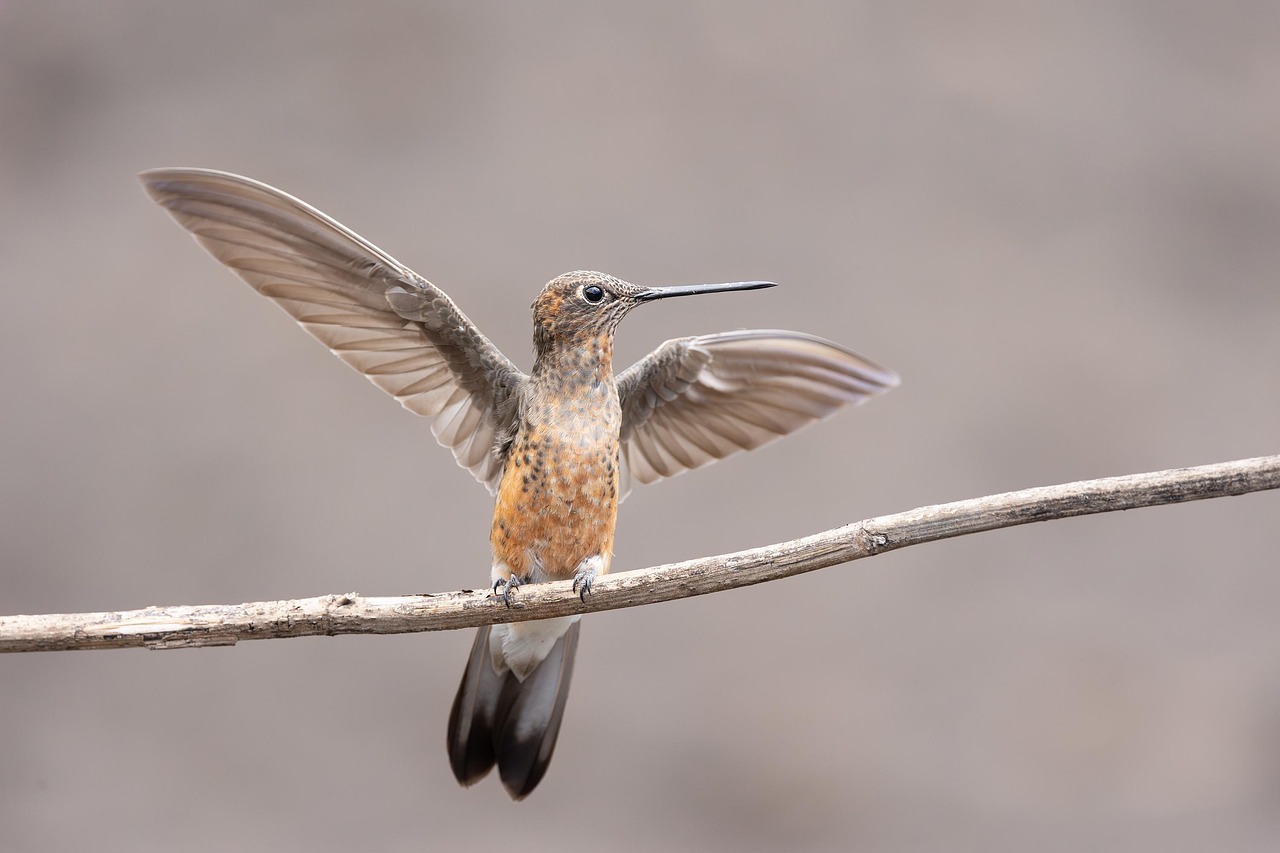
Beyond water, hummingbirds need places to rest. These high-energy birds spend a significant portion of their day perched to conserve heat and survey their territory for rivals or food. While many gardeners prioritize pristine landscaping, leaving a few natural elements intact is essential for hummingbird comfort.
Instead of aggressively pruning every tree or shrub, leave a few dead twigs or thin, horizontal branches exposed. These serve as perfect observation posts. When performing your seasonal garden maintenance, look for:
- Exposed twigs: Small, leafless branches at the top of shrubs or trees provide the 360-degree visibility hummingbirds prefer.
- Sturdy perches: Ensure branches are thin enough for their tiny feet to grip securely.
- Safe distances: Try to locate these perching spots within 10 to 15 feet of your nectar feeders or flowering plants.
By blending practical lawn care with a slightly more relaxed approach to garden tidiness, you provide the necessary infrastructure for hummingbirds to thrive. These small additions transform your outdoor space from a simple garden into a functional sanctuary.

Troubleshooting and Long-Term Care
Attracting hummingbirds is a rewarding process, but it requires patience. If you do not see birds immediately after setting up your garden, do not be discouraged. Hummingbirds are creatures of habit and need time to map out your garden’s layout and discover new food sources. Continue to keep your nectar fresh and your feeders clean while they learn your landscape.
If you notice larger birds or aggressive hummingbirds dominating a single feeder, consider adding a second feeder in a different location. Hummingbirds are highly territorial; providing multiple feeding stations out of sight of one another reduces competition and allows more birds to visit your garden safely.
As you refine your garden layout to better suit these visitors, you may need to install permanent structures like trellises or hanging posts. When using outdoor power equipment—such as drills, saws, or hedge trimmers—to customize your space, always prioritize safety:
- Disconnect the power source completely before performing maintenance on blades, motors, or bits.
- For battery-operated tools, remove the battery pack before clearing debris or making adjustments.
- Ensure all hand tools are sharp and free of rust to prevent damage to the plants hummingbirds rely on.
- Keep your workspace clear of garden debris to maintain stable footing while operating machinery.
Long-term maintenance of your garden is just as important as the initial setup. Regularly inspect your hanging hardware and plant supports to ensure they remain secure through high winds and seasonal changes. If you are using heavy-duty lawn care equipment to maintain the perimeter of your hummingbird sanctuary, be mindful of the noise levels. While hummingbirds are generally resilient, excessive, prolonged noise can temporarily deter them from returning to an area.
Finally, keep a simple garden journal to track when you see your first visitors each season. Note which flowers they frequent most and which feeder locations prove most popular. By observing these patterns, you can make small, practical adjustments to your garden maintenance routine, ensuring your yard remains a consistent, welcoming habitat for years to come. With the right balance of patience, strategic feeder placement, and safe equipment handling, you will soon enjoy the vibrant energy of hummingbirds in your own backyard.

Dedicated team of gardening enthusiasts with years of hands-on experience testing lawn mowers, gardening tools, and outdoor equipment. We help home gardeners and professionals alike make informed buying decisions with honest, thorough reviews. From push mowers to pruning shears, we test it all so you don’t have to. Got a gardening tool you’d like us to review? Get in touch!