
Attracting hummingbirds to your garden is a rewarding experience that begins with setting up the right equipment. By choosing high-quality feeders and placing them in optimal locations, you can quickly turn your backyard into a reliable stop for these vibrant birds. Proper maintenance ensures these feathered visitors return to your landscape season after season.
While hummingbirds are naturally drawn to nectar-rich flowers, adding a feeder provides a consistent food source that keeps them nearby. However, success depends on more than just hanging a container; you must manage sugar-water ratios, ensure cleanliness to prevent mold, and protect the area from competing pests like ants or aggressive territorial birds.
This guide provides actionable steps to select, position, and maintain your feeders to turn your backyard into a reliable stop for these birds. We will cover essential hand tools for garden upkeep, the best outdoor power equipment for habitat management, and practical tips for creating a hummingbird-friendly environment that enhances your overall home gardening routine.

Choosing the Right Hummingbird Feeder
Selecting the right hummingbird feeder is the most important step in creating a reliable backyard sanctuary. Because hummingbird nectar is essentially sugar water, it can ferment quickly in the sun, leading to the growth of harmful mold and bacteria. To keep your visitors healthy, prioritize a feeder design that is easy to dismantle and clean thoroughly.
Avoid intricate, hard-to-reach crevices where residue can hide. Instead, look for wide-mouth bottles or simple, flat-dish designs that allow you to scrub every interior surface with a bottle brush. If you cannot reach every corner of the feeder, you cannot guarantee the safety of the birds you are trying to attract.
Beyond hygiene, you must manage unwanted pests that compete for the nectar. A feeder overrun by ants or bees will quickly deter hummingbirds from returning. Consider these essential features when shopping:
- Built-in Ant Moats: These small reservoirs hold water, creating a physical barrier that ants cannot cross to reach the nectar ports.
- Bee Guards: Look for feeders with integrated mesh or extended feeding ports. These prevent bees and wasps from accessing the liquid while allowing the long, slender bills of hummingbirds to reach the nectar easily.
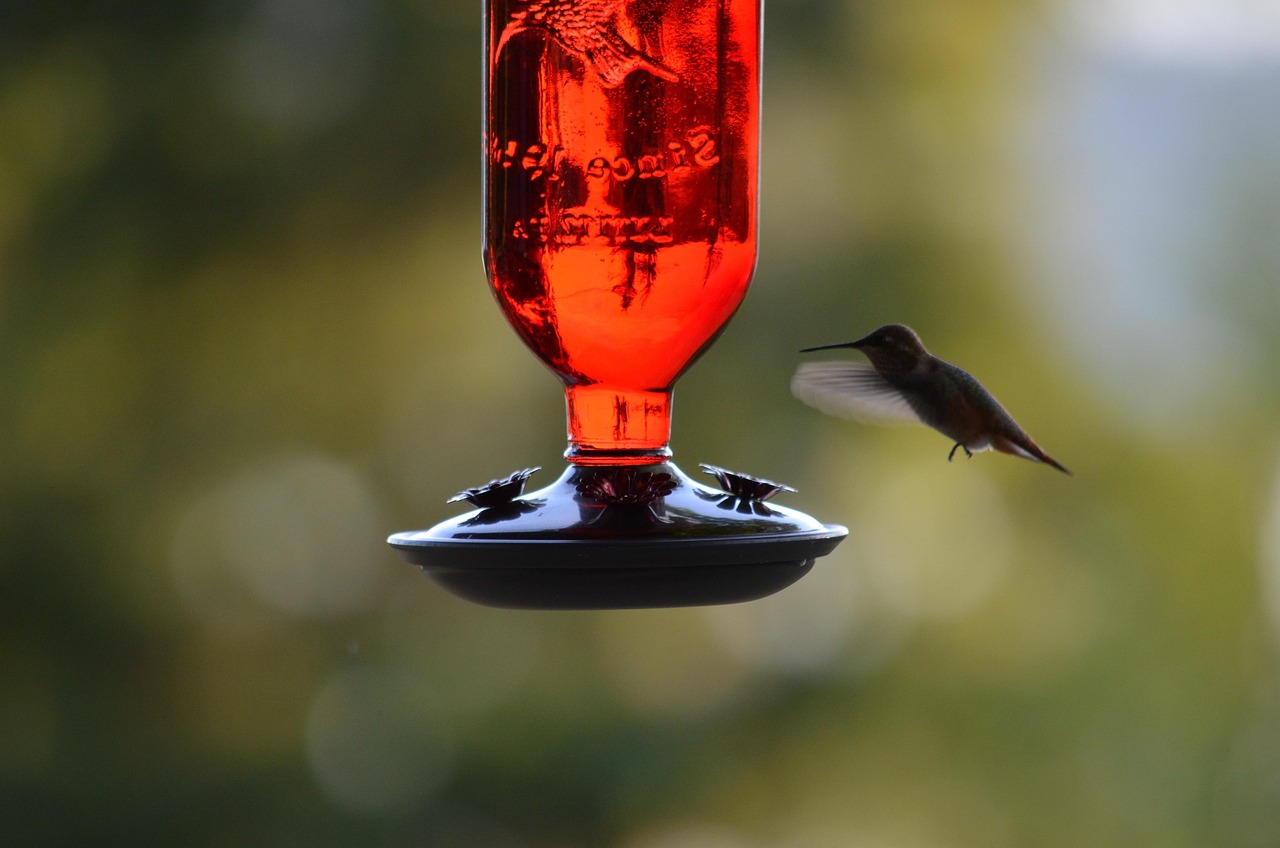
Color also plays a significant role in your success. Hummingbirds have excellent color vision and are naturally drawn to bright hues, especially red. While you do not need to use red dye in your nectar—which can be toxic to birds—choosing a feeder with red accents or a red base acts as a visual beacon. This vibrant color signals a reliable food source from a distance, helping the birds locate your feeder more quickly in a busy garden landscape.
Finally, consider the mounting location. While the feeder itself should be bright and accessible, try to place it in a spot that offers a balance of sunlight and shade. This helps keep the nectar from spoiling too rapidly during the heat of the day. By combining a clean, pest-resistant design with a high-visibility color, you create an inviting environment that encourages hummingbirds to return to your garden throughout the entire season.
Preparing and Maintaining Nectar
Providing a consistent, safe food source is the most effective way to attract hummingbirds to your garden. While commercial mixes exist, the best nectar is a simple homemade solution that mimics the natural sugar content of flower nectar. To prepare it, mix one part white granulated sugar with four parts water.
Stir the mixture thoroughly until the sugar is completely dissolved. It is essential to boil the water first to remove impurities and help the sugar integrate, but you must allow the solution to cool to room temperature before filling your feeders. Never add red dye, as it is unnecessary and potentially harmful to the birds.
To keep your hummingbirds healthy and coming back, follow these strict safety guidelines:
- Use only white granulated sugar: Avoid honey, which can cause dangerous fungal infections in birds. Do not use brown sugar, molasses, or raw sugar, as these contain iron levels that are toxic to hummingbirds.
- Never use artificial sweeteners: Hummingbirds have high metabolic needs and cannot derive energy from sugar substitutes.
- Maintain strict cleanliness: Fermented nectar can kill birds. In hot weather, the sugar solution spoils quickly, leading to mold growth.
Maintenance is just as important as the recipe itself. You should change the nectar every two to three days, even if the feeder does not appear empty. If temperatures consistently exceed 90°F, change the solution daily to prevent spoilage.
When you refill your feeder, take a moment to inspect the ports for any signs of mold or debris. Use a small, long-handled bottle brush to scrub the interior of the reservoir and the feeding ports with hot water. Avoid using harsh soaps or detergents, which can leave behind toxic residues. A weak solution of white vinegar and water is a safe, effective way to sanitize the feeder if you notice any buildup.
By keeping your equipment clean and your nectar fresh, you create a reliable, hospitable environment that encourages hummingbirds to make your garden a regular stop. Consistent maintenance ensures that your backyard remains a safe haven rather than a health hazard for these delicate visitors. Once the birds recognize your yard as a clean, dependable source of energy, they are far more likely to return throughout the season.
Strategic Feeder Placement
Strategic feeder placement is the most effective way to turn your backyard into a hummingbird sanctuary. While these birds are naturally curious, they are also highly territorial and cautious. To attract them consistently, you must create an environment that mimics their natural habitat while providing a clear line of sight.
The ideal location offers a balanced mix of dappled sunlight and shade. Direct, intense sunlight throughout the day can cause the nectar to ferment prematurely, while deep shade makes the feeder difficult for birds to spot. Aim for a spot that receives morning sun and afternoon shade to keep the nectar fresh and the area inviting.
Positioning your feeder near existing garden features is a proven tactic. Hummingbirds are naturally drawn to tubular, nectar-rich flowers. By placing your feeder near these plants, you create a “landing zone” that encourages birds to investigate the area. Additionally, consider these practical requirements for a safe setup:
- Perching and Cover: Place the feeder within a few feet of shrubs or small trees. This provides essential perching spots where birds can rest between feedings and offers quick cover from predators like hawks or neighborhood cats.
- Safety Distance: Always mount your feeder at least 10 feet away from large windows. Hummingbirds are fast, and reflections on glass can lead to fatal collisions. If you must place a feeder near a window, apply decals or screens to break up the reflection.
- Visibility: Ensure the feeder is visible from a distance. Hummingbirds have excellent vision and will scout the area while hovering. Avoid tucking the feeder deep inside dense foliage where they cannot see it while flying by.
When maintaining your garden, keep the area around the feeder clear of tall, obstructive weeds. Using long-handled garden shears or a string trimmer to keep the surrounding grass and brush tidy ensures you have an unobstructed view of the birds. However, avoid aggressive pruning near the feeder; you want to maintain the “safety buffer” of nearby branches. By combining these structural elements—strategic visibility, protective cover, and proximity to natural food sources—you provide a secure, high-traffic destination that hummingbirds will return to throughout the season.
Safety and Maintenance Best Practices
When installing hanging hardware or using ladders to reach high branches, always prioritize stability. Before climbing, ensure your ladder is placed on level, firm ground. If you are working on soft soil, use a wide board under the ladder feet to prevent sinking or tipping. Never overreach; reposition the ladder frequently to keep your center of gravity squarely between the side rails.
Protect yourself while modifying your outdoor space. Always wear safety glasses when drilling into wood, metal, or masonry to secure brackets. Flying debris can cause serious eye injuries, and a simple pair of protective goggles is an essential piece of home maintenance gear. If you are using power drills or saws to install heavy-duty hooks, ensure your workspace is clear of tripping hazards like tangled extension cords or scattered hand tools.
Once your feeders are installed, maintaining a clean environment is critical for bird health. Hummingbirds are highly sensitive to mold, bacteria, and chemical residues. Follow these best practices for sanitizing your equipment:
- Use only mild, non-toxic dish soap and warm water for cleaning feeders. Avoid harsh household detergents or bleach, which can leave toxic traces behind.
- Use a specialized bottle brush to reach deep into narrow ports and crevices where sugar water can ferment.
- Rinse every component thoroughly under running water until no soap bubbles remain.
- Allow all parts to air dry completely before refilling to prevent the rapid growth of mold.
Regular maintenance of your garden tools also plays a role in safety. Keep your pruning shears and loppers sharp; dull blades require excessive force, which increases the risk of slipping and causing injury. Wipe down metal tools with a light coat of oil after use to prevent rust, ensuring they remain reliable for future projects. By keeping your equipment in top condition, you create a safer environment for both yourself and the hummingbirds you are trying to attract.
Finally, inspect your hanging hardware seasonally. Weather exposure can cause metal brackets to corrode or wooden branches to weaken. Check that all screws, S-hooks, and nylon cords are secure before the start of each migration season. A proactive approach to maintenance ensures that your feeding station remains a safe, welcoming oasis for your visitors throughout the year.

Troubleshooting and Seasonal Care
If your hummingbird feeder remains empty, start by assessing your maintenance routine. Hummingbirds are highly sensitive to spoiled nectar, which can ferment quickly in warm weather. Clean your feeders at least twice a week using hot water and a mild soap solution, ensuring you scrub away any mold or residue. If you live in a particularly hot climate, you may need to replace the nectar every two to three days to keep it fresh and appealing.
Sometimes, the issue isn’t the feeder, but the lack of natural habitat. Hummingbirds rely on a diverse landscape to thrive. You can significantly increase your chances of attracting them by integrating native plants into your garden. These plants provide a reliable, natural food source and essential nesting materials. Consider adding these nectar-rich options to your landscape:
- Bee Balm (Monarda): A perennial favorite that provides long-lasting blooms.
- Salvia: Offers tubular flowers that are perfectly shaped for hummingbird beaks.
- Trumpet Honeysuckle: A vigorous vine that serves as a high-energy food source.
- Columbine: Excellent for early-season feeding when other flowers haven’t yet bloomed.
Effective garden maintenance also plays a role. Avoid using heavy pesticides or herbicides near your feeding stations, as these chemicals can harm the insects hummingbirds eat for protein. Keep your garden tools and lawn care equipment organized to ensure you can easily access your flower beds for regular pruning and deadheading, which encourages continuous blooming throughout the season.
Vigilance is critical for the health of the local population. If you observe birds appearing lethargic, showing signs of matted feathers, or hovering near the feeder without eating, remove all feeders immediately. These can be signs of disease transmission. Thoroughly sanitize your equipment with a diluted bleach solution (one part bleach to nine parts water), rinse extensively, and consult your local wildlife extension office or avian experts for guidance before rehanging them.
Finally, timing is essential for seasonal care. Do not rush to take your feeders down as the temperatures begin to drop. Hummingbirds are migratory, and some may rely on your feeder as a vital refueling station during their journey south. A good rule of thumb is to keep your feeders clean and filled until at least two weeks after you spot the very last hummingbird in your yard during the fall.

Dedicated team of gardening enthusiasts with years of hands-on experience testing lawn mowers, gardening tools, and outdoor equipment. We help home gardeners and professionals alike make informed buying decisions with honest, thorough reviews. From push mowers to pruning shears, we test it all so you don’t have to. Got a gardening tool you’d like us to review? Get in touch!