
Transforming your outdoor space into a sanctuary for pollinators is a rewarding project that relies on selecting the right plants and creating a welcoming habitat. This guide explains how to attract butterflies and hummingbirds by focusing on their specific needs for nectar, shelter, and water, ensuring your garden becomes a vibrant hub for local wildlife.
Creating a thriving ecosystem requires more than just planting flowers; it demands consistent garden maintenance and the right tools to keep your landscape healthy. While you do not need expensive lawn care equipment or heavy outdoor power equipment, having reliable hand tools makes preparing garden beds and managing seasonal upkeep much more efficient and enjoyable.
In the following sections, we will explore practical home gardening techniques that invite these beautiful creatures into your yard. From choosing high-nectar blooms to installing essential water features, you will learn how to use your gardening tools effectively to build a sustainable environment that keeps butterflies and hummingbirds returning to your garden all season long.
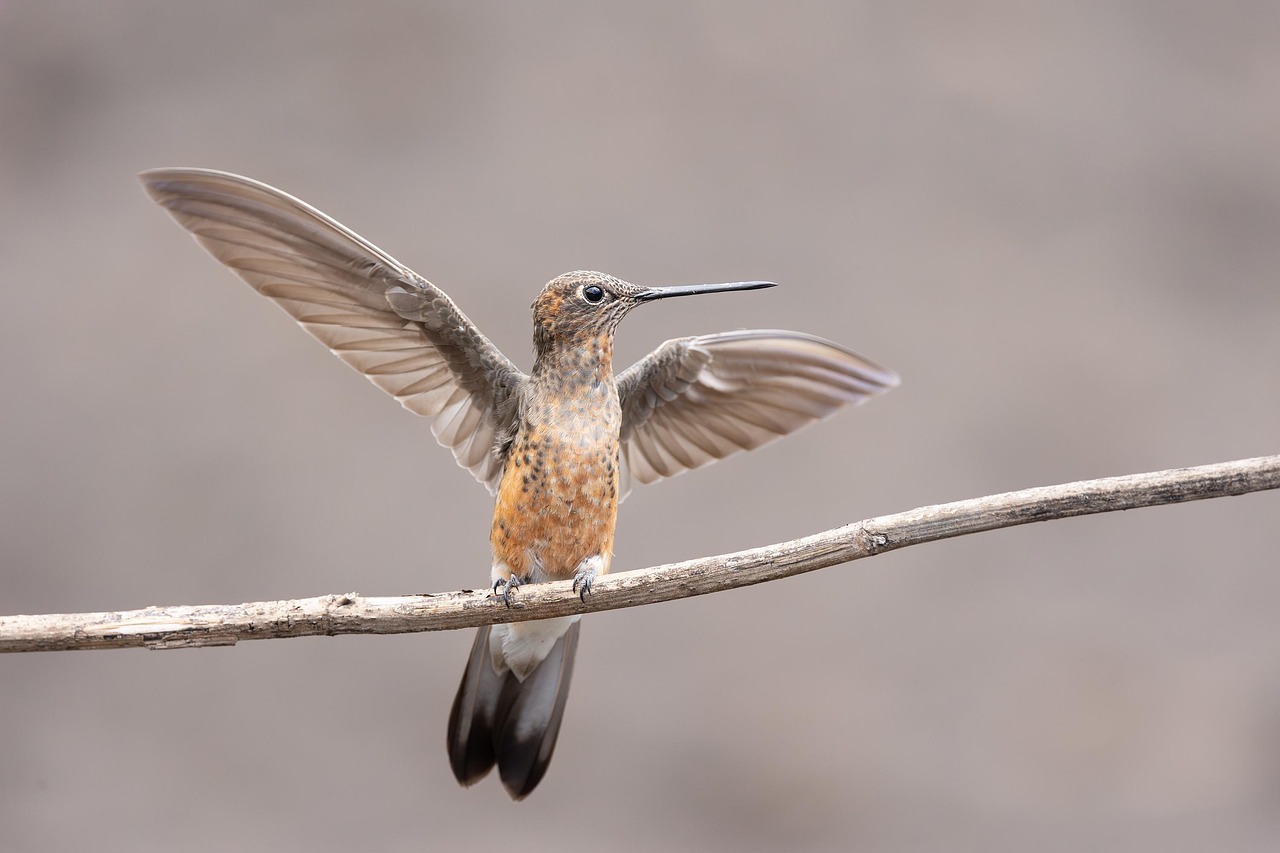
Selecting the Best Nectar-Rich Plants
To successfully attract butterflies and hummingbirds, your landscape must provide a reliable, high-energy food source from early spring through the first frost. Focus on selecting native plants, as these have evolved alongside local pollinators and typically offer the most nutritious nectar. By prioritizing biodiversity, you create a sustainable buffet that keeps these visitors returning to your garden.
When selecting your plant palette, consider the specific feeding habits of your target species:
- Hummingbirds: These energetic birds are naturally drawn to tubular-shaped blooms in vibrant shades of red, orange, and deep pink. Excellent choices include bee balm (Monarda), salvia, columbine, and trumpet honeysuckle.
- Butterflies: These pollinators require a stable landing platform to feed effectively. They gravitate toward flat-topped flower clusters, such as butterfly weed (Asclepias), lantana, purple coneflower, and zinnias.
Strategic placement is just as important as plant selection. Instead of scattering individual plants throughout your yard, group them together in dense “drifts” or clusters. This massing technique creates a concentrated splash of color and scent that acts as a powerful visual signal, making it much easier for passing pollinators to locate your garden from a distance.
When preparing your garden beds for these nectar-rich additions, ensure your soil is well-draining and enriched with organic compost. Use a high-quality hand trowel to dig holes twice the width of the root ball, ensuring you do not plant too deeply. Proper spacing is essential; while you want a lush look, adequate airflow between plants helps prevent fungal diseases and keeps your flowers healthy.
Maintenance is straightforward once established. Use sharp, clean bypass pruners to deadhead spent blooms, which encourages the plant to divert energy into producing new flowers rather than seeds. Avoid the use of synthetic pesticides or herbicides in these areas, as these chemicals can be harmful to the very pollinators you are trying to attract. Instead, rely on manual weeding and mulching to suppress unwanted growth. By providing a safe, chemical-free environment filled with a diverse array of nectar sources, you transform your outdoor space into a thriving sanctuary for hummingbirds and butterflies alike.
Creating a Safe and Welcoming Habitat
To turn your yard into a sanctuary for butterflies and hummingbirds, you must think beyond nectar sources. These pollinators require shelter from harsh winds and protection from predators. By strategically incorporating native shrubs and small trees into your landscape, you provide essential cover and safe nesting sites that encourage these creatures to stay.
Butterflies have specific life cycle requirements that go beyond simple feeding. To attract them, you must provide host plants where they can lay their eggs. For example, monarchs rely exclusively on milkweed to support their larvae. Including a variety of native host plants ensures that your garden serves as a complete habitat rather than just a temporary pit stop.
Maintaining a healthy environment also means eliminating chemical pesticides. These substances do not distinguish between pests and beneficial insects; they can be lethal to the very pollinators you are trying to attract. Instead, focus on building soil health and encouraging natural predators like ladybugs and lacewings to manage garden imbalances.
When performing routine garden maintenance, be mindful of your tools to protect your pollinator-friendly zones. Using power equipment requires extra caution to avoid damaging the delicate ecosystems you have cultivated:
- String Trimmers: Use these carefully around the edges of flower beds. Keep the line away from the base of milkweed and other host plants to prevent accidental stem damage.
- Hedge Shears: Opt for manual hand shears when pruning near nesting sites to maintain better control and avoid disturbing hidden insects or birds.
- Personal Safety: Always wear safety glasses and sturdy, closed-toe boots when operating power equipment. This protects you from flying debris and allows you to focus on precise, careful work.
Regular maintenance should be gentle. Avoid clearing away all dead plant material in the autumn, as many butterflies overwinter in dried stems and leaf litter. By leaving a portion of your garden “untidy,” you provide the necessary insulation and shelter for pollinators to survive the colder months. A well-maintained garden is not necessarily a manicured one; it is a balanced, living space where both your plants and your winged visitors can thrive in safety.

Providing Essential Water Sources
Pollinators require more than just nectar-rich flowers to thrive; they need consistent, clean water sources. By incorporating specific water features into your garden design, you can transform your yard into a reliable sanctuary for hummingbirds and butterflies.
Hummingbirds have unique hydration needs. Unlike songbirds that perch to drink, hummingbirds prefer to fly through fine mists. To attract them, install a shallow birdbath equipped with a mister or a gentle fountain. The sound of moving water acts as a beacon, while the fine spray allows them to bathe and drink on the wing. Ensure the basin is shallow—no more than an inch deep—to prevent accidental drowning.
Butterflies require a different approach known as “puddling.” They cannot drink from open water like birds; instead, they extract moisture and vital minerals from damp soil. You can easily create a butterfly puddle station using common garden supplies:
- Bury a shallow pan or saucer level with the ground in a sunny, wind-protected spot.
- Fill the container with a mixture of sand, garden soil, and a few flat stones for landing pads.
- Add just enough water to keep the mixture moist, ensuring it never becomes a deep pool.
- Occasionally sprinkle a pinch of sea salt or wood ash over the soil to provide the essential minerals butterflies need for health and reproduction.
Maintenance is critical for the health of your local ecosystem. Stagnant water is a breeding ground for mosquitoes and can harbor harmful bacteria. Follow these practical maintenance tips to keep your garden safe:
- Scrub birdbaths and fountain basins weekly with a stiff-bristled brush to prevent algae buildup and mineral deposits.
- Rinse containers thoroughly with fresh water before refilling.
- Monitor your butterfly puddling station daily during hot weather to ensure the soil remains damp but not flooded.
- Avoid using chemical fertilizers or pesticides near your water sources, as these toxins can easily contaminate the water and harm visiting pollinators.
By providing these thoughtfully designed water features, you offer a lifeline to hummingbirds and butterflies. Regularly cleaning your equipment and keeping the surrounding area tidy ensures your garden remains a healthy, inviting habitat throughout the growing season.
Strategic Garden Design and Maintenance
Creating a sanctuary for butterflies and hummingbirds requires a thoughtful balance between aesthetic design and ecological support. Butterflies are ectotherms, meaning they rely on external heat to regulate their body temperature. To encourage them to visit, incorporate open, sunny spaces within your garden layout. Position flat, light-colored stones or wooden structures in areas that receive direct morning sunlight; these serve as perfect basking spots for butterflies to warm their wings before flight.
Shelter is equally vital. Use taller shrubs or dense perennial borders to create windbreaks that protect delicate wings from strong gusts. By strategically placing these wind-protected zones near your nectar-rich flower beds, you provide a safe haven where pollinators can feed and rest without expending unnecessary energy.
When it comes to seasonal maintenance, your approach to pruning and clearing debris directly impacts the local insect population. While keeping plants healthy is essential, timing is everything. Many beneficial insects, including solitary bees and butterfly pupae, overwinter in hollow plant stems or tucked away in leaf litter. To maintain a healthy garden while supporting these creatures, follow these best practices:
- Delay major cleanup: Wait until late spring to cut back dead stems or clear away fallen leaves, allowing overwintering insects time to emerge.
- Use sharp, clean tools: Always use high-quality, sharp pruning shears for your maintenance tasks. Dull blades crush plant tissue, leaving stems vulnerable to disease and rot.
- Prioritize safety: Always wear durable work gloves when pruning or clearing debris. Gloves protect your skin from hidden thorns, sharp edges, and potential skin irritants tucked away in the undergrowth.
- Selective pruning: Instead of clearing everything, leave a few patches of “messy” garden space in the back corners of your yard. These areas act as critical nurseries for the next generation of pollinators.
By using the right outdoor power equipment and hand tools carefully, you can manage the physical structure of your garden without destroying the micro-habitats your visitors depend on. Remember, a garden that looks slightly wilder during the off-season is often the most productive environment for hummingbirds and butterflies once the weather warms. Focus on precision pruning during the active growing season, and embrace a more relaxed, hands-off approach during the colder months to ensure your garden remains a thriving, year-round habitat.

Common Questions and Long-Term Care
Maintaining a pollinator garden requires patience and a gentle touch. If your nectar-rich plants appear stunted or yellow, resist the urge to immediately apply synthetic fertilizers. Instead, assess the environment. Hummingbirds and butterflies thrive in specific conditions; check that your soil drains well and that the site receives the full sun required for healthy bloom production. Often, a simple adjustment to your watering schedule or a layer of organic mulch is sufficient to revitalize struggling perennials.
Pest management is another frequent concern. You must avoid broad-spectrum insecticides, as these chemicals do not distinguish between harmful aphids and beneficial pollinators. If you notice an infestation, prioritize these safe, low-impact strategies:
- Manual Removal: For small clusters of pests, a firm stream of water from a garden hose or hand-picking insects is the safest method.
- Organic Soaps: Use insecticidal soaps formulated for gardens, but apply them in the early evening when pollinators are inactive to minimize direct contact.
- Companion Planting: Introduce plants that attract predatory insects, such as ladybugs or lacewings, which provide natural biological control.
When performing routine garden maintenance, always prioritize the safety of your local ecosystem. Keep your hand tools, such as pruners and trowels, sharp and clean to ensure precise cuts that heal quickly, reducing the risk of plant disease. If you are planning major structural changes—such as installing new garden beds, irrigation systems, or pathways—you may need to use power equipment. Before operating heavy machinery or digging, keep these safety tips in mind:
1. Map Utilities: Always call your local utility company to mark underground lines before breaking ground to prevent accidents.
2. Consult Professionals: If your landscaping project involves significant earth-moving, consult a professional to ensure you do not inadvertently destroy nesting sites or disrupt the soil structure that supports your pollinator habitat.
3. Minimize Noise: If using loud power equipment, try to schedule your work for mid-day when hummingbirds are less likely to be feeding, reducing the stress caused by mechanical vibrations and noise.
By integrating these practical maintenance habits, you create a stable, long-term sanctuary that encourages hummingbirds and butterflies to return year after year. Focus on observation and minimal intervention to keep your garden thriving naturally.

Dedicated team of gardening enthusiasts with years of hands-on experience testing lawn mowers, gardening tools, and outdoor equipment. We help home gardeners and professionals alike make informed buying decisions with honest, thorough reviews. From push mowers to pruning shears, we test it all so you don’t have to. Got a gardening tool you’d like us to review? Get in touch!