
To attract a hummingbird nest, you must provide a safe, undisturbed habitat filled with native nectar-rich flowers and spiderwebs for construction. By cultivating a pesticide-free environment with dense shrubs, you create the perfect sanctuary for these tiny birds to establish their breeding grounds and raise their young throughout the spring and summer months.
While you cannot force hummingbirds to nest in your yard, you can significantly increase your odds by mimicking their natural requirements. Success requires patience and a commitment to maintaining a healthy ecosystem. Focus on providing consistent food sources and water features, as these birds are highly selective when choosing a secure, sheltered location for their delicate homes.
Discover the essential steps to create a welcoming habitat that encourages hummingbirds to build nests in your yard. Learn about the specific plant species, nesting materials, and environmental conditions required to support these birds during their breeding season. We will guide you through the practical home gardening techniques needed to turn your outdoor space into a thriving avian paradise.

Planting a Hummingbird Friendly Habitat
Creating a habitat that encourages hummingbirds to nest requires more than just a nectar source; it demands structural integrity. Hummingbirds build tiny, cup-shaped nests, often no larger than a walnut, which require sturdy, horizontal branches for support. By selecting the right native vegetation, you provide the necessary architecture for these birds to feel secure while raising their young.
Focus on planting a mix of dense shrubs and trees that offer protection from both predators and the elements. Native species are essential because they have evolved alongside local bird populations, providing the ideal branch density and leaf cover hummingbirds prefer. When planning your layout, consider these structural essentials:
- Native Honeysuckle: Unlike invasive varieties, native honeysuckle (such as Lonicera sempervirens) provides excellent nectar and creates tangles of vines that offer hidden, stable platforms for nest building.
- Oak Trees: A native oak provides a strong, reliable foundation. Its complex branching structure is perfect for anchoring a nest, while its canopy offers vital shade and camouflage.
- Dense Shrubs: Incorporate plants like viburnum or ninebark. These provide the thick, twiggy growth necessary for hummingbirds to tuck their nests away from sight.
When planting, prioritize a layered approach. Place your taller trees toward the back of your garden beds and layer shrubs in front. This mimics a natural forest edge, which is a preferred nesting environment. Ensure that you leave some areas of the garden slightly “wild,” as hummingbirds often use spider silk to bind their nests together; a healthy, insect-friendly garden provides both the building materials and the protein-rich food source they need.
Maintenance is key to keeping this habitat functional. Use sharp, clean hand pruners to selectively thin branches only during the dormant season, ensuring you do not disturb active nesting sites. Avoid aggressive hedge trimming during the spring and summer months, as hummingbirds are highly sensitive to disturbances. Instead, focus on light, targeted pruning that encourages the dense, multi-branched growth that hummingbirds find most attractive. By fostering a landscape that balances nectar-rich blooms with sturdy, sheltered woody plants, you create a sanctuary that hummingbirds will return to season after season.
Providing Essential Nesting Materials
Attracting a hummingbird to nest in your garden requires more than just nectar-rich flowers; it demands a supply of high-quality building materials. Hummingbird nests are architectural marvels, typically no larger than a walnut shell. To construct these sturdy, flexible homes, female hummingbirds rely on specific natural elements to bind and insulate their structures.
The most critical component in a hummingbird nest is spider silk. This material acts as the “glue” that holds the nest together and allows it to expand as the hatchlings grow. Instead of clearing away cobwebs from your garden sheds, eaves, or fence lines, leave them intact. These webs are essential resources for nesting mothers and provide the structural integrity necessary to keep the nest securely attached to a branch.
In addition to silk, hummingbirds require soft, insulating fibers to line the interior of the nest. You can encourage nesting by fostering a landscape that provides these natural supplies:
- Dandelion down: Allow a few dandelions to go to seed in a corner of your yard to provide soft, fluffy material.
- Willow or poplar catkins: These fuzzy, wind-dispersed seeds are highly prized for nest lining.
- Fern spores: The soft, hair-like scales found on the fiddleheads of certain ferns are often incorporated into the nest walls.
- Plant mosses: Lichens are often used on the exterior of the nest to camouflage it against tree bark.
While it is tempting to offer “helpful” items, you must be extremely cautious about what you leave out. Never provide dryer lint, yarn, or human hair. These materials pose significant risks to hummingbirds:
- Moisture retention: Dryer lint absorbs water and stays damp, which can lead to mold, fungus, or hypothermia for the chicks.
- Entanglement: Synthetic fibers and long hair can easily wrap around the tiny, fragile legs or necks of nestlings, causing injury or preventing them from leaving the nest.
- Chemical exposure: Dryer lint often contains synthetic fragrances, detergents, and fabric softeners that may be toxic to sensitive birds.
By keeping your garden natural and free of synthetic debris, you provide a safe, high-quality environment for hummingbirds to raise their young. Focus on native plantings that offer these materials naturally, and you will greatly increase the chances of a successful nesting season in your own backyard.

Maintaining a Safe and Quiet Environment
Hummingbirds are notoriously sensitive to their surroundings, especially when nesting. To encourage them to stay, you must designate a low-disturbance zone. During the nesting season, which typically spans spring and summer, minimize activity in areas where you suspect a nest might be located.
Loud, gas-powered outdoor equipment—such as leaf blowers, string trimmers, and lawnmowers—can cause significant stress to nesting birds. The sudden noise and vibrations may cause a mother to abandon her eggs or chicks. Whenever possible, switch to manual hand tools for maintenance within 20 feet of a potential nest site. Using hand pruners, shears, or a push-reel mower keeps the environment quiet and predictable, significantly increasing the chances of a successful brood.
If you must perform essential garden maintenance, prioritize safety for both yourself and the local wildlife. Follow these best practices when working in your garden:
- Use Ladders Cautiously: Always place your ladder on firm, level ground. Never overreach; move the ladder instead to maintain your center of gravity. If you are trimming branches near a suspected nest, check the area thoroughly before climbing.
- Wear Protective Gear: Always wear impact-resistant eye protection when pruning shrubs or trees to guard against flying debris. Durable gardening gloves are essential to protect your hands from thorns, sharp branches, and potential insect bites.
- Check Before You Cut: Before operating any hedge trimmers or pruning saws, perform a visual inspection of the foliage. Hummingbird nests are tiny, often camouflaged with lichen, and can easily be mistaken for a knot on a branch.
If you discover a nest while working, stop immediately and retreat. Do not attempt to move the nest or trim branches that provide essential cover. Hummingbirds rely on dense foliage for protection from predators and the elements. By keeping your landscaping activities minimal and deliberate, you create a sanctuary that feels safe for these delicate birds.
Finally, avoid using chemical pesticides or herbicides near nesting sites. These substances can contaminate the nectar and insects that hummingbirds rely on for food. By maintaining a quiet, chemical-free environment, you provide the peace and security necessary for hummingbirds to raise their young successfully in your own backyard.
Water Sources and Pesticide Free Gardening
Hummingbirds require more than just nectar to thrive; they need a reliable, clean water source. Because these birds have high metabolic rates, they visit water features frequently throughout the day to hydrate and bathe. A traditional deep birdbath is often unsuitable, as hummingbirds prefer shallow, moving water.
To attract them to your garden, consider installing a specialized birdbath or a mister. A gentle misting system is particularly effective, as hummingbirds enjoy flying through the fine spray to clean their feathers. If you use a shallow basin, ensure the water depth is no more than half an inch. Adding a few smooth stones provides a safe place for them to perch while they drink.
Maintenance of these water features is critical for bird health. Stagnant water can harbor bacteria or mosquito larvae. Follow these simple steps to keep your water source safe:
- Change the water daily to prevent algae buildup and keep it fresh.
- Scrub the basin weekly with a stiff brush and a solution of one part vinegar to nine parts water.
- Rinse the basin thoroughly until all traces of vinegar are gone before refilling.
- Ensure the area around the water source is clear of dense foliage that could hide predators like cats.
Equally important is the total elimination of chemical pesticides in your landscape. While hummingbirds are famous for their love of nectar, they are also voracious insectivores. During the nesting season, adult hummingbirds rely heavily on small insects and spiders to provide the essential protein and fats required for their growing nestlings.
When you spray your lawn or garden with broad-spectrum insecticides, you inadvertently remove the primary food source for these birds. Furthermore, hummingbirds can ingest toxic chemicals when they consume contaminated insects, which poses a severe risk to their survival. By adopting an organic approach to garden maintenance, you foster a healthy ecosystem where spiders and beneficial insects can flourish.
Focus on building a balanced environment rather than relying on chemical intervention. Healthy soil, native plants, and a diverse range of garden habitats naturally control pest populations. When you remove chemicals from your maintenance routine, you create a safe, protein-rich sanctuary that encourages hummingbirds to build their nests and raise their young in your backyard.
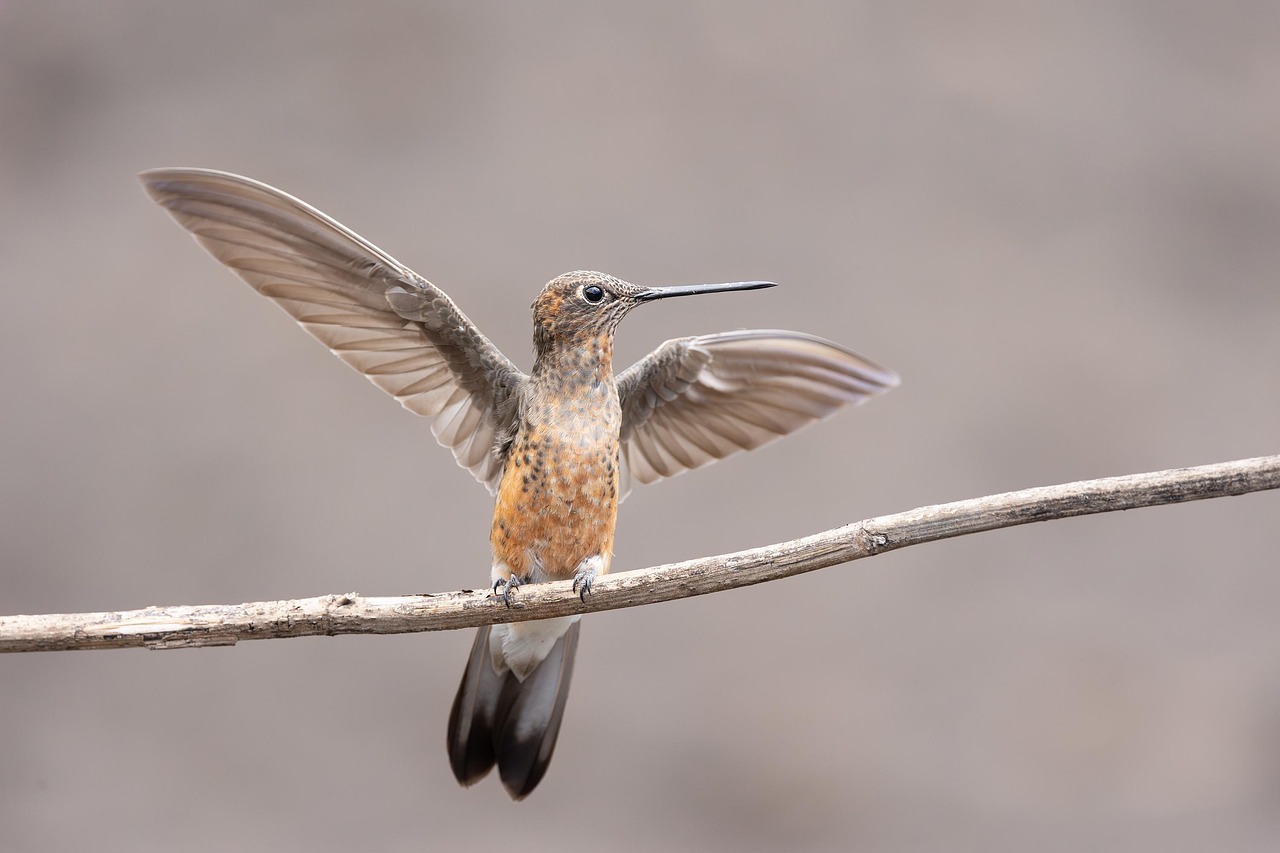
Monitoring and Protecting Nesting Sites
Observing a hummingbird nest is a privilege that requires patience and strict boundaries. To prevent stress, always monitor from a distance of at least 15 to 20 feet, preferably using binoculars. Hummingbirds are highly sensitive to human presence; if a mother bird repeatedly dives at you or refuses to return to the nest while you are nearby, you are too close. Avoid pointing, loud noises, or frequent visits, as these actions can inadvertently draw the attention of predators to the nest’s location.
If you discover a fallen nest, act quickly but cautiously. If the nestlings are uninjured and appear healthy, you can attempt to re-secure the nest to the original branch or a nearby sturdy limb using soft twine or floral wire. Ensure the nest is positioned at a similar height and angle as the original site. If the mother does not return within an hour, or if the nestlings are injured, cold, or covered in ants, the situation requires professional intervention.
In such cases, follow these steps:
- Place the birds in a small box lined with soft, unscented paper towels.
- Keep the container in a warm, dark, and quiet place away from pets and children.
- Do not attempt to feed the birds water or sugar syrup, as this can cause aspiration and death.
- Contact a licensed wildlife rehabilitator or your local wildlife agency immediately for transport instructions.
Maintaining your garden during nesting season requires a “hands-off” approach. Hummingbirds typically nest between spring and late summer, often concealing their homes in dense shrubs or tree forks. Before using power equipment like hedge trimmers, leaf blowers, or chainsaws, conduct a thorough visual inspection of the area. If you find an active nest, postpone all pruning, mowing, or heavy landscaping within a 25-foot radius until the fledglings have officially left the nest, which usually takes about three weeks after hatching.
Avoid using chemical pesticides or herbicides near nesting sites. Hummingbirds rely on small insects and spiders as a vital protein source for their growing chicks. By keeping your garden organic, you ensure a safe, toxin-free food supply for the family. Responsible gardening means prioritizing the safety of these fragile residents over the aesthetic perfection of your lawn or hedges until the nesting cycle is complete.

Dedicated team of gardening enthusiasts with years of hands-on experience testing lawn mowers, gardening tools, and outdoor equipment. We help home gardeners and professionals alike make informed buying decisions with honest, thorough reviews. From push mowers to pruning shears, we test it all so you don’t have to. Got a gardening tool you’d like us to review? Get in touch!