
You should expect to pay between $20 and $60 to have your reel mower blades professionally sharpened. The final cost depends heavily on whether you drop off the entire mower or just the reel assembly at a local garden center or specialized outdoor power equipment repair shop.
Keeping your reel mower blades sharp is essential for a healthy lawn, but knowing whether to DIY or hire a professional depends on your budget and equipment. While DIY kits exist, professional grinding ensures the precise clearance needed for a clean, scissor-like cut that prevents grass damage and common lawn diseases.
This guide explains the typical costs associated with professional sharpening and when it is time to seek expert help. We will break down the factors that influence pricing, help you identify signs of dull blades, and provide practical tips for maintaining your hand tools and lawn equipment for long-term gardening success.

Typical Professional Sharpening Costs
Professional sharpening services for reel mowers typically cost between $30 and $80. This price range reflects the labor, precision equipment, and expertise required to achieve a clean, scissor-like cut that promotes healthy lawn growth.
Several factors influence the final quote you receive from a local shop or small engine repair center:
- Component vs. Unit: You will generally pay less if you remove the reel assembly and bring only that part to the shop. Bringing in the entire mower requires the technician to spend time removing the reel and reassembling the unit, which increases labor costs.
- Blade Complexity: High-end mowers with seven or more blades, or those featuring specialized hardened steel, require more time and specific grinding setups. These units often sit at the higher end of the pricing spectrum.
- Condition of the Blades: If your reel has significant nicks from rocks or debris, the technician may need to perform extra passes on the grinder to restore a true edge, which can result in an additional service fee.
Before committing to a service, always request a detailed quote upfront. Ask specifically if the price includes “backlapping”—a process that uses an abrasive paste to refine the fit between the reel and the bedknife—or if it is limited to a standard grind. Some shops offer tiered pricing based on whether the bedknife also requires sharpening or replacement.
When dropping off your equipment, ensure the mower is clean and free of grass clippings and grease. This allows the technician to immediately inspect the blade alignment without performing extra cleanup, which can sometimes save you money on shop labor time.
Keep in mind that while professional sharpening is an investment, it is essential for garden maintenance. A dull reel mower tears the grass blades rather than slicing them cleanly. This not only makes your lawn look ragged but also leaves the grass susceptible to disease and browning. If you are a frequent gardener, consider the cost of professional sharpening as a routine part of your seasonal lawn care budget, similar to changing the oil in a gas-powered mower or replacing the line in a string trimmer. Regular maintenance ensures your equipment remains efficient and your lawn stays vibrant throughout the growing season.
Factors Influencing the Price
The cost of sharpening reel mower blades is rarely a flat rate. Because reel mowers rely on a precise, scissor-like action between the reel blades and the bedknife, the condition of your specific equipment significantly dictates the final bill. Shops must account for the time required to restore that exact tolerance.
Several variables can increase the complexity of the job, directly impacting labor costs:
- Blade Condition: If your blades are heavily nicked from hitting rocks or debris, or if they are deeply rusted, the technician will need to spend extra time grinding away more metal to reach a clean, sharp edge.
- Back-lapping Requirements: In addition to grinding, your mower may require back-lapping—a process where abrasive paste is applied to the blades while they rotate in reverse to achieve a perfect fit. This adds both time and material costs to the service.
- Equipment Complexity: High-end, commercial-grade, or specialized reel mowers often feature unique blade geometries or proprietary housing. These machines may require specific jigs, specialized grinding equipment, or manufacturer-certified technicians to ensure they are serviced correctly without damaging the reel.
Before dropping off your mower, perform a quick inspection. If you notice deep gouges or significant rust, be prepared for a higher estimate. It is always helpful to provide the shop with the specific make and model of your mower when requesting a quote. This allows them to determine if they have the necessary equipment on hand or if your particular model requires a premium service level.
While it may be tempting to seek the lowest price, remember that precision is paramount for reel mowers. A poor sharpening job can cause the blades to tear the grass rather than cut it, leading to brown, ragged lawn tips that are susceptible to disease. Investing in a professional, thorough sharpening ensures your lawn remains healthy and that your mower continues to operate efficiently throughout the season. When in doubt, ask the technician if they will be performing a full spin-grind or simply back-lapping, as the former is more labor-intensive but provides a superior, longer-lasting edge for neglected blades.
DIY Sharpening vs Professional Service
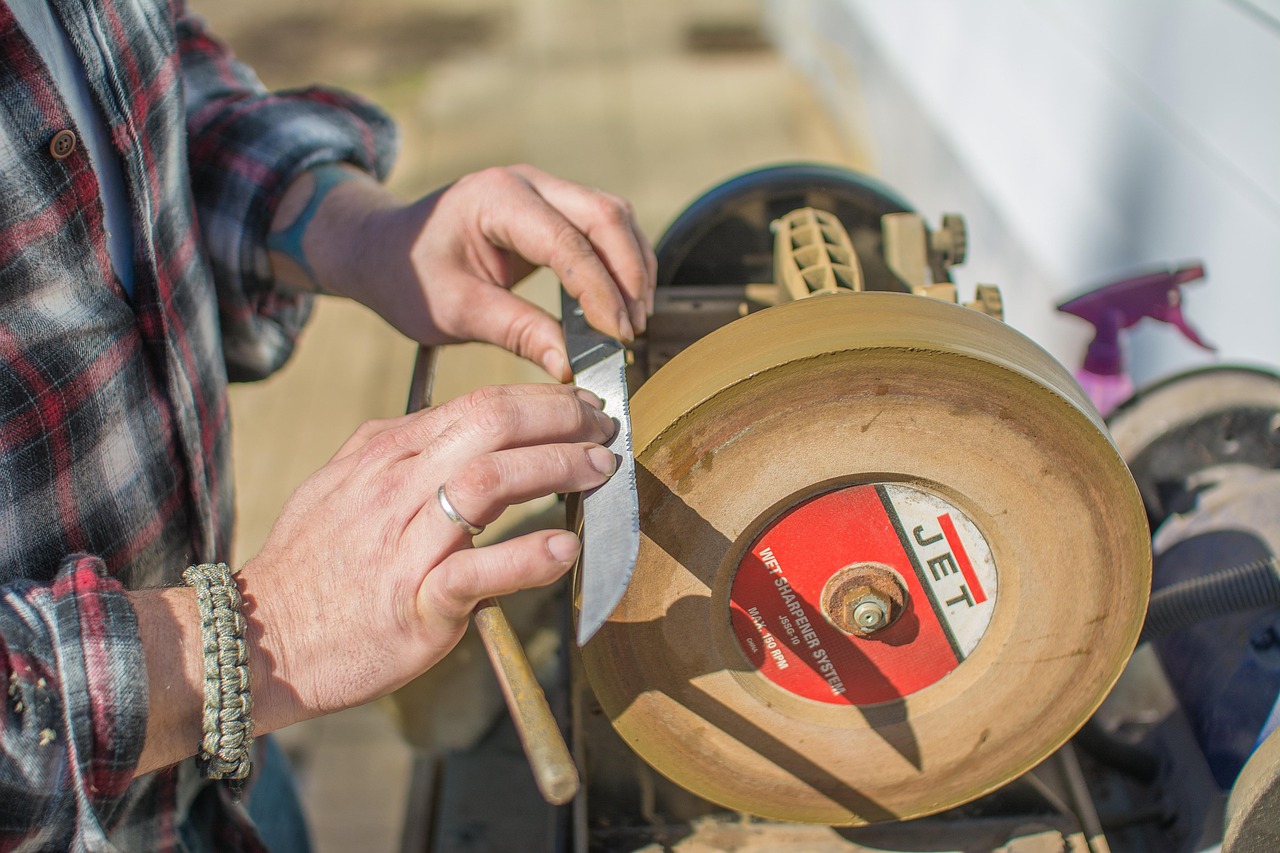
Deciding between DIY sharpening and professional service depends on your comfort level with mechanical maintenance and the current condition of your reel mower. While maintaining your own equipment is a rewarding part of home gardening, the precision required for reel mowers makes this a nuanced choice.
The DIY Approach: Back-lapping
If your blades are only slightly dull, you can perform a process called back-lapping at home. This involves applying a specialized abrasive grinding compound to the blades and running the mower in reverse. A back-lapping kit is relatively inexpensive and allows you to maintain a sharp edge throughout the growing season without leaving your garage.
However, back-lapping has limitations:
- It only works if the blades are still in relatively good alignment.
- It cannot fix deep nicks, bent blades, or significant unevenness.
- It requires careful handling of abrasive compounds to avoid damaging the reel bearings.
The Professional Advantage: Precision Grinding
Professional sharpening typically involves spin grinding, where a machine precisely removes metal from the blades to ensure they are perfectly cylindrical and aligned with the bedknife. This process creates a “scissor-like” cut that is superior to what can be achieved manually.
You should opt for professional service if:
- Your mower is leaving jagged, brown tips on your grass blades.
- The reel has visible nicks or deep gouges from debris.
- You lack the mechanical experience to properly adjust the bedknife clearance after sharpening.
- The mower has not been serviced in several years.
Making the Right Investment
If you are confident with hand tools and routine garden maintenance, a back-lapping kit is a practical, cost-effective way to keep your lawn looking its best. But remember, a reel mower is a precision instrument. If you are unsure about the mechanical state of your equipment, professional sharpening is the safer investment. A professionally sharpened reel will stay sharper for longer, reduce the strain on your mower’s engine, and provide a cleaner, healthier cut for your lawn. When in doubt, prioritize the health of your turf over the convenience of a DIY fix; a clean cut is the most important factor in preventing lawn disease and promoting thick, green growth.
Safety Precautions for Handling Blades
Reel mower blades are precision-engineered to shear grass like scissors, which means they are exceptionally sharp. When performing maintenance, your primary goal must be preventing accidental engagement of the cutting mechanism. Before you touch the reel, you must eliminate any possibility of the mower starting.
For gas-powered models, firmly pull the spark plug wire off the plug and tuck it away so it cannot make contact. If you are using an electric or battery-powered reel mower, remove the battery pack entirely and keep it in your pocket or a secure location away from the machine. Never rely on the “off” switch alone.
Protecting your hands is the next critical step. Standard gardening gloves are often too thin to prevent lacerations from high-carbon steel blades. Always wear heavy-duty, cut-resistant work gloves. These provide a necessary barrier against the razor-sharp edges of the reel and the bedknife.
If you are sharpening the blades yourself using a grinding tool or a back-lapping kit, follow these essential safety protocols:
- Wear ANSI-rated safety glasses: Metal shavings and grit can fly at high speeds during the sharpening process, posing a significant risk to your eyes.
- Secure the mower: Ensure the mower is on a stable, flat surface. If you are lifting the mower to access the underside, use sturdy jack stands rather than relying on a hydraulic jack or bricks.
- Clear the work area: Keep children and pets away from the workspace. Metal debris and sharp tools create a hazardous environment.
- Use proper lighting: Never attempt to inspect or sharpen blades in dim conditions. Ensure your workspace is well-lit so you can clearly see the blade edges and your tool placement.
Finally, treat the reel as if it is always “live.” Even when the power source is disconnected, the reel can rotate unexpectedly if you inadvertently nudge it while working on the tension or alignment. Move slowly, keep your fingers clear of the pinch point between the reel and the bedknife, and never force a tool against the blades. If you feel uncomfortable with the sharpening process or notice significant damage to the metal, consult a professional technician to avoid injury or permanent damage to your equipment.
When to Seek Professional Help and Follow-Up Care
While routine maintenance can often be handled at home, certain signs indicate that your reel mower requires professional intervention. If you notice your mower is tearing or bruising the grass blades—leaving behind ragged, brown tips—rather than delivering a clean, crisp cut, your blades have likely lost their edge or lost their precise alignment. Additionally, if you observe significant nicks, deep gouges, or warping on the bed knife, it is time to take the unit to a qualified technician.
Professional sharpening services utilize specialized grinding equipment to restore the exact geometry of the reel and the bed knife. Attempting to grind out major damage at home without industrial-grade tools often results in an uneven cut that can cause further stress to your lawn.
Once your mower returns from the shop, you must perform a proper setup before heading back to the lawn. Follow these steps to ensure optimal performance:
- Consult your owner’s manual to determine the manufacturer’s recommended clearance between the reel and the bed knife.
- Use a thin piece of paper to test the cut along the full length of the blade; it should slice the paper cleanly at every point without snagging.
- Tighten all adjustment screws incrementally, ensuring the reel spins freely without unnecessary friction against the bed knife.
To extend the life of your freshly sharpened edge, incorporate disciplined storage habits into your garden maintenance routine. Moisture is the primary enemy of precision steel; rust can degrade a sharp edge in a matter of days. Always clean grass clippings and debris from the reel immediately after use, as decaying organic matter holds moisture against the metal.
Finally, store your equipment in a dry, covered environment, such as a garage or shed. If you live in a humid climate, consider applying a light coat of protective oil to the blades before long-term storage. By keeping the blades clean and dry, you minimize the frequency of professional sharpenings and ensure your lawn remains healthy and vibrant throughout the growing season.

Dedicated team of gardening enthusiasts with years of hands-on experience testing lawn mowers, gardening tools, and outdoor equipment. We help home gardeners and professionals alike make informed buying decisions with honest, thorough reviews. From push mowers to pruning shears, we test it all so you don’t have to. Got a gardening tool you’d like us to review? Get in touch!