
Many homeowners wonder about the cost of professional hedge maintenance. On average, you can expect to pay between $150 and $500 for a standard hedge trimming service, depending on the size and density of your shrubs. Understanding these pricing factors helps you budget effectively for essential garden maintenance throughout the growing season.
Several variables influence the final quote, including the height of your hedges, the complexity of the shaping required, and the total volume of green waste removal. While small, easy-to-reach bushes cost significantly less, overgrown or neglected hedges often require specialized power equipment and additional labor time, which naturally increases the overall project price.
This guide breaks down the pricing factors, what to expect from a service, and how to determine if hiring a professional is the right choice for your garden. Whether you need a quick seasonal tidy-up or a major restoration project, we provide the practical insights needed to keep your outdoor space looking pristine and healthy.

Factors That Influence Hedge Trimming Costs
When requesting a quote for hedge trimming, professional landscapers evaluate several variables to determine the time and labor required. Understanding these factors helps you anticipate costs and prepare your garden for service.
The primary drivers of your final price include:
- Total Dimensions: The length and height are the most significant factors. Taller hedges often require professional-grade extension equipment or ladders, which increases safety risks and labor time.
- Plant Species: Different species grow at varying rates and have specific structural needs. Dense, slow-growing shrubs may require more precise hand-pruning, whereas fast-growing hedges might need heavy-duty power equipment for significant reduction.
- Current Condition: Routine maintenance is always more affordable than restoring an overgrown hedge. If a hedge has not been trimmed in several seasons, it may require “hard pruning,” which involves more time, specialized hand tools, and debris removal.
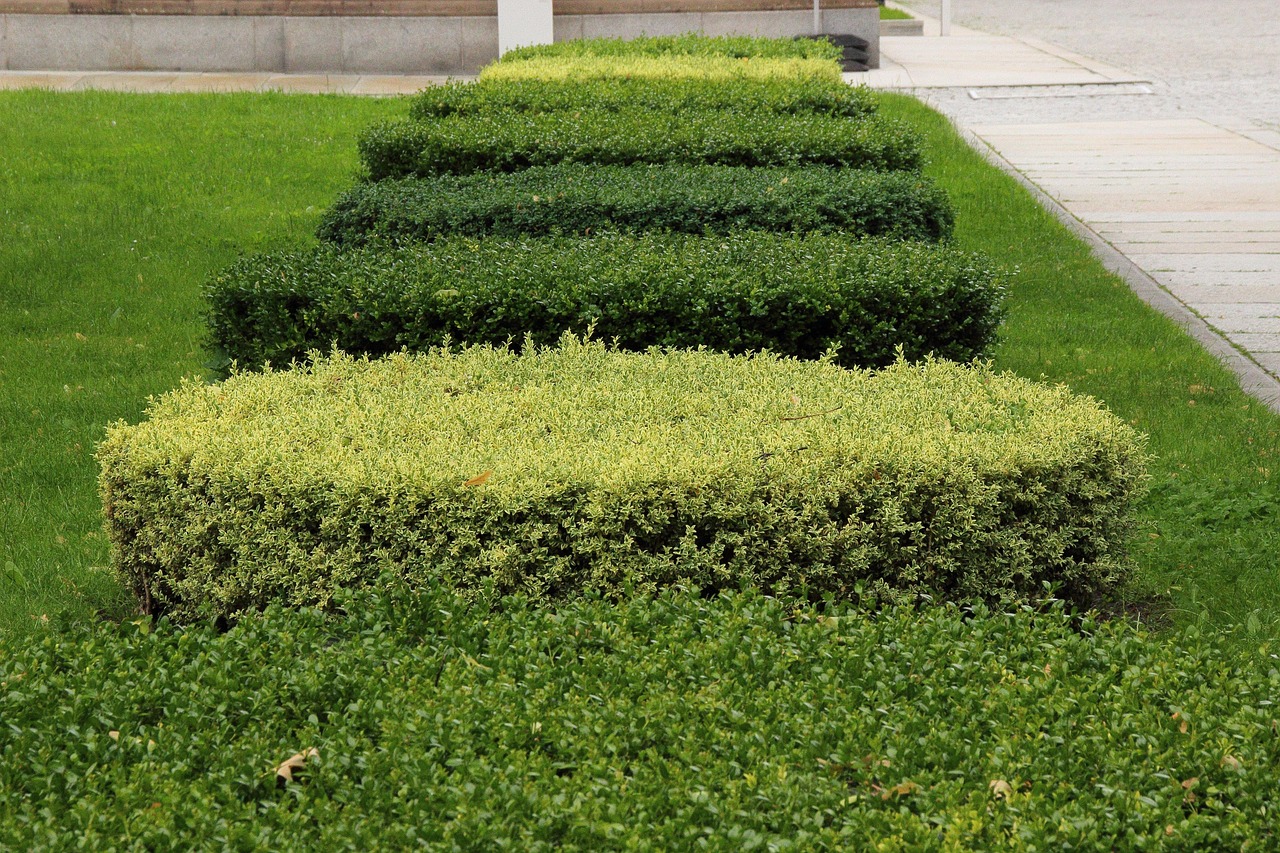
- Shape Complexity: Standard rectangular or rounded hedges are straightforward to maintain. However, if you require formal topiary shapes or specific artistic contours, the labor cost will rise due to the high level of skill and detail required.
Accessibility also plays a major role in your quote. If your hedges are positioned near delicate flower beds, fences, or hard-to-reach areas, the landscaper must work more slowly to avoid damaging surrounding plants or property. Equipment maneuverability is key; if a hedge is tucked into a tight corner, the landscaper may need to rely on manual hand tools rather than motorized hedge trimmers, which extends the duration of the job.
Finally, consider the volume of green waste. Most professional services include cleanup and disposal in their estimate. If you have an exceptionally long hedge, the time spent raking, bagging, and hauling away clippings adds to the total labor hours. To keep costs down, some homeowners choose to handle the debris removal themselves, though it is essential to confirm this with your contractor beforehand.
By assessing these factors before you call for a quote, you can provide accurate information to your landscaper. This ensures a more precise estimate and helps you decide whether to schedule a simple maintenance trim or a more comprehensive restoration of your garden’s greenery.
Average Pricing Models for Hedge Services
When budgeting for professional hedge maintenance, you will typically encounter one of three pricing models. Understanding these structures helps you better evaluate quotes and ensures you are paying a fair rate for the specific needs of your landscape.
Most professional arborists and landscaping crews base their estimates on the following methods:
- Hourly Rates: This is common for smaller jobs or complex, artistic pruning. Rates vary significantly based on your local cost of living and the expertise of the crew. Ensure you clarify if the hourly rate includes cleanup and disposal of green waste.
- Linear Foot Pricing: This is the industry standard for long, uniform boundary hedges. Professionals measure the length of the hedge run. Keep in mind that this rate often assumes a standard height and width; if your hedges are exceptionally tall or overgrown, a premium may be added.
- Flat Project Fee: Many contractors prefer a flat fee for large-scale maintenance projects. This provides you with price certainty, though it is usually calculated after a thorough assessment of the hedge’s current condition, accessibility, and the volume of debris to be hauled away.
Regardless of the pricing model, always request an on-site estimate before committing to a service. While it is tempting to send photos to a gardener for a quick quote, images rarely capture the full scope of the work required. A professional needs to physically inspect the density of the foliage, the presence of woody inner growth, and the total height of the hedge to determine the necessary equipment.
For instance, a hedge that requires a standard pole saw or electric hedge trimmer will be priced differently than one requiring heavy-duty gas-powered equipment or ladders for elevation. Furthermore, if your hedge has been neglected for several seasons, the initial “restoration” trim will almost always cost more than routine maintenance trims, as it requires more time to reshape the structure and manage the excess biomass.
Before the crew arrives, clarify if they use professional-grade hand tools for fine detailing or high-speed power equipment for bulk reduction. Ensuring both parties understand the scope of the project—including whether you want a formal, crisp edge or a more natural, rounded aesthetic—is the best way to avoid unexpected costs once the work begins.
Safety and Equipment Considerations
Trimming hedges requires more than just a pair of shears; it demands the right equipment to ensure a clean cut and personal safety. Professional services utilize specialized gear, such as long-reach hedge trimmers and industrial-grade ladders, to handle tall or dense growth efficiently. If you choose to tackle this task yourself, your equipment selection is the first step toward a successful project.
Before starting, ensure you have the appropriate personal protective equipment (PPE). Operating power tools, particularly petrol or electric hedge trimmers, involves significant vibration and flying debris. Always wear the following:
- Eye protection: Impact-resistant goggles to shield against wood chips and dust.
- Ear defenders: High-quality muffs or plugs to protect against engine noise.
- Sturdy gloves: Thick, grip-enhanced work gloves to protect against thorns and sharp blades.
- Durable clothing: Long sleeves and trousers to prevent scratches from dense foliage.
When using power equipment, situational awareness is vital. Never operate trimmers near overhead power lines or electrical cables. If you are using a ladder to reach the top of a hedge, ensure it is placed on firm, level ground. Avoid overreaching, as this shifts your center of gravity and increases the risk of a fall. If you find yourself leaning precariously or stretching to reach the top branches, you have exceeded the safe operating limit of your equipment.
Maintaining your tools is equally important for safety. Dull blades cause the trimmer to snag, leading to jagged cuts that can damage the hedge and cause the tool to kick back. Sharpen your blades regularly and check that all safety guards are securely in place before every use. If your hedge has grown beyond a height that allows you to work comfortably and safely from the ground, it is time to call in a professional.
Professional gardeners are equipped with heavy-duty, long-reach tools designed specifically for high-level maintenance. They also possess the training to manage tall hedges without the need for dangerous ladder work. If you are unsure about your ability to reach the top of your hedge safely, the cost of a professional service is a small price to pay to avoid a serious injury. Prioritize your physical well-being over the aesthetics of the garden at all times.
What to Expect During a Professional Visit
When you hire a professional for hedge maintenance, you are paying for more than just a quick trim. A skilled technician approaches the task with a focus on plant health, aesthetic precision, and site cleanliness. Understanding the workflow helps you manage expectations and ensures your garden receives the best possible care.
A typical professional visit follows a structured process:
- Assessment: The technician inspects your hedges for signs of pests, fungal issues, or structural weaknesses before starting.
- Precision Trimming: Using specialized outdoor power equipment or high-quality hand tools, they trim the foliage to promote healthy, dense growth while maintaining your desired shape.
- Cleanup: A professional service always includes the thorough removal of green waste. They will rake, blow, and haul away clippings, leaving your lawn and walkways spotless.
One critical detail to confirm before work begins is the maintenance of their equipment. Ask your provider if they use sharp, sanitized blades. Using dull blades can tear plant tissue rather than making a clean cut, which leaves your hedges vulnerable to moisture loss and stress. Furthermore, unsterilized equipment is a primary vector for spreading plant diseases, such as blight or canker, from one property to the next.
Beyond the blades, professionals utilize a variety of tools tailored to the job. For large-scale hedges, they may use long-reach hedge trimmers to ensure uniform lines without damaging the shrub’s interior. For delicate shaping or boxwood topiary, they often switch to manual hand shears to achieve surgical precision that power tools cannot replicate. This combination of heavy-duty equipment and manual finesse is what differentiates a professional finish from a DIY attempt.
Finally, inquire about their disposal process. Responsible contractors ensure that green waste is composted or processed at a green-waste facility rather than simply dumped. If you have specific concerns about the health of your hedges, such as yellowing leaves or thinning branches, communicate these during the initial walkthrough. A seasoned gardener will often provide practical home gardening advice during the visit, helping you adjust your watering or fertilizing schedule to keep the hedges thriving between professional trims. By setting these expectations upfront, you ensure your investment results in a healthier, more vibrant landscape.

Follow-up Care and When to Call a Pro
Proper follow-up care is essential after trimming to ensure your hedges remain dense, vibrant, and disease-resistant. Once you have finished pruning, immediately rake away debris from the base of the plants. Decaying clippings left on the soil can harbor fungal spores or pests that may compromise the health of your hedge.
After a significant trim, your plants are in a recovery phase. To support healthy new growth, consider these maintenance steps:
- Hydration: Deeply water the root zone to reduce transplant shock, especially if the weather is hot or dry.
- Nutrition: Apply a balanced, slow-release fertilizer or a layer of organic compost around the base to provide the nutrients needed for foliage regeneration.
- Sanitation: Always disinfect your hand tools—such as bypass pruners and hedge shears—with a 10% bleach solution or rubbing alcohol between jobs to prevent the spread of pathogens from one plant to another.
While DIY maintenance is rewarding, certain situations require the expertise of a professional. If you notice yellowing leaves, unusual spots, or visible webbing, your hedge may be suffering from a pest infestation or a fungal infection that requires specialized treatment rather than just a haircut. Attempting to prune diseased wood without proper sterilization can inadvertently spread the issue throughout your entire landscape.
Safety should always be your priority when working with outdoor power equipment. If your hedges have grown beyond the reach of a standard ladder or are located near overhead power lines, do not attempt the job yourself. Professional arborists have the training and insurance to handle high-altitude work and complex topiary shaping without risking personal injury or permanent damage to the plant’s structure.
Furthermore, if your hedges are positioned against delicate home siding, near fragile garden features, or require intricate geometric shaping, an expert’s touch ensures precision. A professional understands the specific growth habits of your hedge species, ensuring that cuts are made at the correct angles to promote inward growth rather than unsightly gaps. By knowing when to handle the shears yourself and when to call in a pro, you protect your investment and maintain the aesthetic value of your outdoor space for seasons to come.

Dedicated team of gardening enthusiasts with years of hands-on experience testing lawn mowers, gardening tools, and outdoor equipment. We help home gardeners and professionals alike make informed buying decisions with honest, thorough reviews. From push mowers to pruning shears, we test it all so you don’t have to. Got a gardening tool you’d like us to review? Get in touch!