
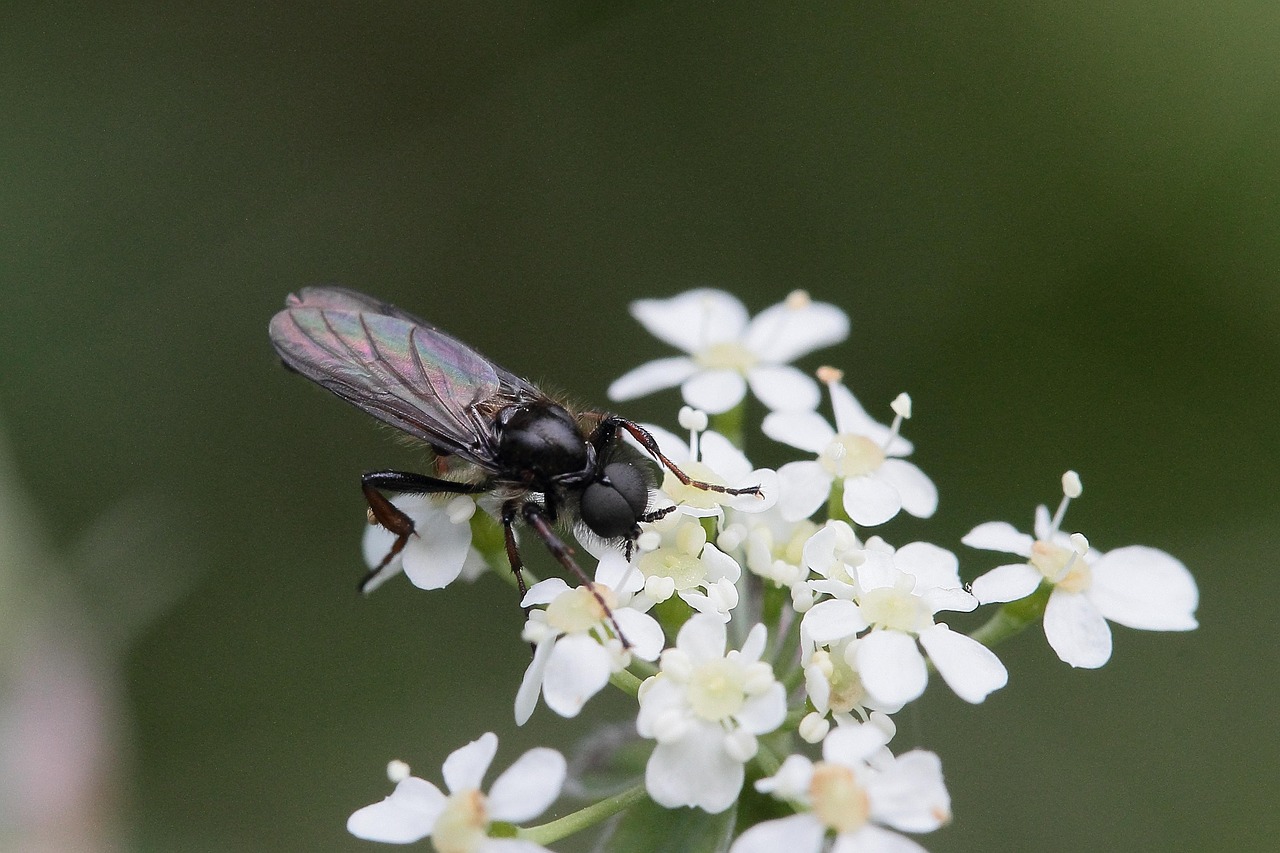
Fungus gnats, commonly known as plant gnats, typically live for about seven to ten days as adults. During this brief lifespan, they focus primarily on laying hundreds of eggs in moist soil, which can quickly lead to an infestation if you do not manage your indoor garden environment properly.
While the adult stage is short, the entire lifecycle from egg to adult takes roughly three to four weeks depending on temperature and humidity levels. Because these pests reproduce so rapidly, simply waiting for the adults to die off is rarely enough to eliminate them from your pots and planters permanently.
To regain control of your home garden, you must target both the flying adults and the larvae residing in the soil. This guide covers essential maintenance techniques, the best hand tools for soil aeration, and practical power equipment strategies to help you eradicate these persistent pests and protect your favorite houseplants.

The Typical Lifecycle of a Fungus Gnat
Understanding the lifecycle of a fungus gnat is essential for effective garden maintenance. These pests reproduce rapidly, which explains why a minor infestation can quickly become a significant problem for your indoor plants and outdoor garden beds.
From egg to adult, the entire lifecycle typically spans three to four weeks. However, this duration is highly dependent on environmental factors. Warmer temperatures and high humidity levels accelerate their development, allowing populations to explode in a very short window of time.
The lifecycle consists of four distinct stages:
- Egg: Adult females lay up to 200 eggs in damp, organic-rich potting soil. These hatch within four to six days.
- Larva: This stage lasts about two weeks. The larvae live in the top layers of the soil, feeding on fungi, decaying organic matter, and occasionally delicate plant roots.
- Pupa: The larvae transition into the pupal stage within the soil, which lasts approximately three to seven days.
- Adult: Once they emerge, adult gnats focus almost exclusively on mating and laying eggs.
Adult fungus gnats are relatively short-lived, typically surviving for only seven to ten days. Despite their brief lifespan, their reproductive capacity is immense. Because a single female can deposit hundreds of eggs during her short life, failing to address the moist conditions that attract them often leads to overlapping generations, making them difficult to eradicate once established.
To break this cycle, prioritize practical home gardening habits that discourage breeding. The most effective strategy is to allow the top inch or two of your potting soil to dry out completely between waterings. Fungus gnat larvae require constant moisture to survive; by reducing humidity at the soil surface, you effectively disrupt their development. Additionally, ensure your pots have proper drainage to prevent water from pooling in the saucer, which creates a prime nursery for the next generation.
If you are using outdoor power equipment or hand tools to manage your garden, keep them clean to prevent the accidental transfer of contaminated soil. Regularly inspecting your plants and using yellow sticky traps can help you monitor adult activity, allowing you to intervene before the population reaches a critical stage. By focusing on soil management and moisture control, you can successfully interrupt the lifecycle and protect your plants from damage.
Why Moisture is Key to Their Survival
Understanding the life cycle of fungus gnats begins with the soil. These pests are not just attracted to moisture; they require it to complete their development. The adult gnat lays its eggs in the top layers of potting mix, where the larvae hatch and immediately begin feeding on decaying organic matter and the fungal growth that thrives in damp, stagnant conditions.
When soil remains consistently saturated, it creates a perfect nursery for the entire gnat life cycle. By breaking this cycle, you can significantly reduce their population. The most effective cultural control method is to strictly manage your watering schedule to ensure the environment is no longer hospitable to developing larvae.
Follow these practical steps to manage soil moisture and disrupt the breeding cycle:
- Check the depth: Before adding more water, insert your finger into the soil. If the top one to two inches feel damp, wait another day or two.
- Improve drainage: Ensure your pots have functional drainage holes. If a pot sits in a saucer of water, the soil will wick that moisture upward, keeping the bottom layers perpetually soggy.
- Top-dress the surface: Adding a thin layer of coarse sand or decorative gravel on top of the soil can make it harder for adults to reach the damp earth to lay their eggs.
- Bottom water: Instead of pouring water over the top, place your pots in a tray of water for 20 minutes to allow the roots to absorb what they need, keeping the surface soil—where the eggs are laid—drier.
Allowing the surface to dry out does more than just stop new eggs from hatching; it also causes existing larvae to dehydrate and perish. Because fungus gnats have a relatively short life span—typically living as adults for only about a week—consistently keeping the top inch of soil dry for a period of 10 to 14 days is often enough to break the cycle entirely. By adjusting your maintenance routine, you effectively starve the larvae of their food source and eliminate the damp habitat they need to survive. This simple change in your gardening habits is often more effective than chemical treatments and keeps your indoor ecosystem healthy and pest-free.

Practical Tools for Monitoring and Control
Effectively managing a fungus gnat infestation requires a combination of vigilance and proper tool hygiene. Since adult gnats have a relatively short lifespan—typically only a few days—your primary goal is to interrupt their reproductive cycle before they can lay more eggs in your potting mix.
Yellow sticky traps are the most practical tool for monitoring and control. These bright traps attract adult gnats, capturing them before they can mate or deposit eggs. Place them horizontally near the soil surface or vertically near the base of the plant to gauge the severity of the infestation. If you notice a high volume of gnats on the traps, it is a clear indicator that you need to adjust your watering habits or treat the soil.
When performing routine garden maintenance, the tools you use can inadvertently spread pests and pathogens. Fungus gnat larvae and fungal spores often travel on dirty equipment. To maintain a healthy environment, follow these best practices:
- Sanitize between uses: After using trowels, hand cultivators, or soil scoops, wipe them down with a 70% isopropyl alcohol solution or a mild bleach-water mix. This prevents the cross-contamination of larvae between different pots.
- Prioritize tool hygiene: Always store your hand tools in a clean, dry place. Avoid leaving them directly on damp soil, as this provides an easy pathway for larvae to cling to the metal surfaces.
- Wear protective gloves: Always wear gardening gloves when handling soil. This maintains personal hygiene and prevents you from accidentally transferring eggs or spores from contaminated soil to your skin or other healthy plants.
By keeping your equipment clean and using sticky traps as a diagnostic tool, you gain better control over the gnat population. If you are using power equipment like leaf blowers or specialized garden vacuums near your outdoor beds, ensure the intake vents are clear of debris to prevent sucking up moist soil, which can harbor eggs. Consistent maintenance of your gear is just as important as the treatments you apply to the soil. If you find that a particular plant remains a hotspot for activity, isolate it immediately and thoroughly clean the area around it, including any nearby pots or saucers where standing water may be encouraging larvae development.
Safe Treatment Methods for Your Home
When dealing with a persistent fungus gnat infestation, targeted biological controls are often the most effective and safest approach for indoor environments. Using products containing Bacillus thuringiensis israelensis (BTI), such as mosquito dunks or granules, is highly recommended. These naturally occurring bacteria specifically target gnat larvae in the soil without harming your household plants, pets, or family members.
Neem oil is another reliable option. When applied as a soil drench, it disrupts the life cycle of the gnats. Always follow the manufacturer’s dilution instructions carefully to ensure the health of your plants remains uncompromised.
Safety is paramount when applying any liquid treatment indoors. Follow these practical guidelines to protect your home and equipment:
- Avoid Electrical Hazards: Never spray liquid treatments near electrical outlets, power strips, or plugged-in gardening equipment. Moisture can cause short circuits or severe damage to sensitive electronics.
- Inspect Your Sprayer: Before beginning, check your handheld sprayer for cracks, loose seals, or worn gaskets. A leaking sprayer can create slippery spots on tile, hardwood, or laminate flooring, posing a significant fall risk.
- Store Power Equipment Safely: Ensure that any outdoor power equipment or electric lawn tools are stored in a dry, designated area away from your treatment zone. Never use the same equipment for plant care that has been exposed to fuel or engine oils.
- Clean Up Spills Immediately: If liquid drips onto hard surfaces during application, wipe it up immediately with a dry cloth to maintain traction and prevent potential staining.
Consistent maintenance is the key to preventing future outbreaks. By keeping your soil surface dry between waterings and ensuring your pots have adequate drainage, you reduce the moist conditions that gnats require to lay their eggs. If you use specialized garden hand tools to aerate your soil or mix in treatments, ensure they are cleaned and dried thoroughly after each use to prevent rust and maintain their longevity. Integrating these safe, mechanical, and biological habits into your routine will keep your indoor garden thriving and free from pests without compromising the safety of your home environment.
Managing Persistent Infestations and When to Seek Help
If you have diligently allowed your soil to dry out and utilized yellow sticky traps for several weeks without success, the infestation may have reached a point where cultural controls alone are insufficient. Fungus gnats lay eggs in the top layers of damp soil, and if your potting medium has become degraded or overly organic, it can harbor larvae long after you have reduced your watering frequency.
When persistent populations remain, the most effective next step is to repot your plants. This process physically removes the majority of the larvae and eggs from the environment.
Follow these steps for a clean start:
- Discard old soil: Do not reuse the existing potting mix, as it likely contains eggs. Dispose of it in an outdoor compost bin or trash.
- Clean the container: Scrub your pots thoroughly with a mixture of mild soap and water to eliminate any hidden eggs or debris before replanting.
- Use sterile media: Always opt for fresh, high-quality, sterile potting mix. Avoid using garden soil, which is often contaminated with pests.
- Check drainage: Ensure your pots have adequate drainage holes to prevent future waterlogging, which is the primary catalyst for gnat reproduction.
In some cases, an infestation can become overwhelming, spreading rapidly across your entire indoor collection. If you notice your plants wilting, losing vigor, or if you are concerned about the root health of rare or expensive specimens, it is time to seek professional intervention. Root damage caused by larvae can make plants susceptible to secondary fungal infections, which are often fatal if left untreated.
Contact a local nursery professional or a certified master gardener to discuss specialized solutions. They can recommend targeted treatments that are safer and more effective than DIY remedies. These may include:
- Biological controls: Introducing beneficial nematodes that feed specifically on gnat larvae within the soil.
- Soil drenches: Using products containing Bacillus thuringiensis israelensis (Bti), a bacteria that targets larvae without harming the plant or household pets.
- Systemic treatments: Professional-grade soil applications that provide long-term protection for highly valued plants.
By taking these decisive actions, you can protect your indoor garden from further damage and break the life cycle of the gnats once and for all.