
Fungus gnats are a common nuisance for gardeners, often appearing as tiny black flies hovering around soil. To kill gnats on plants, you must disrupt their life cycle by letting the top layer of soil dry out completely between waterings and using yellow sticky traps to capture the flying adults effectively.
Eliminating these pests requires patience, as you are targeting both the larvae in the soil and the adults in the air. While they rarely kill healthy plants, a heavy infestation can damage delicate roots. Understanding their breeding habits is crucial for long-term control and maintaining a healthy indoor or outdoor garden environment.
This guide explains how to identify the source of the infestation and provides safe, effective methods to eliminate them and protect your plants without harsh chemicals. We will cover practical home gardening techniques, from using beneficial nematodes to simple household solutions, ensuring your lawn care equipment and hand tools remain focused on growth, not pest management.
Identify and Confirm the Infestation
Before you reach for heavy-duty garden maintenance products or outdoor power equipment, you must confirm that the pests pestering your indoor plants are indeed fungus gnats. Misidentifying the culprit can lead to ineffective treatments, wasting both time and money on unnecessary supplies.
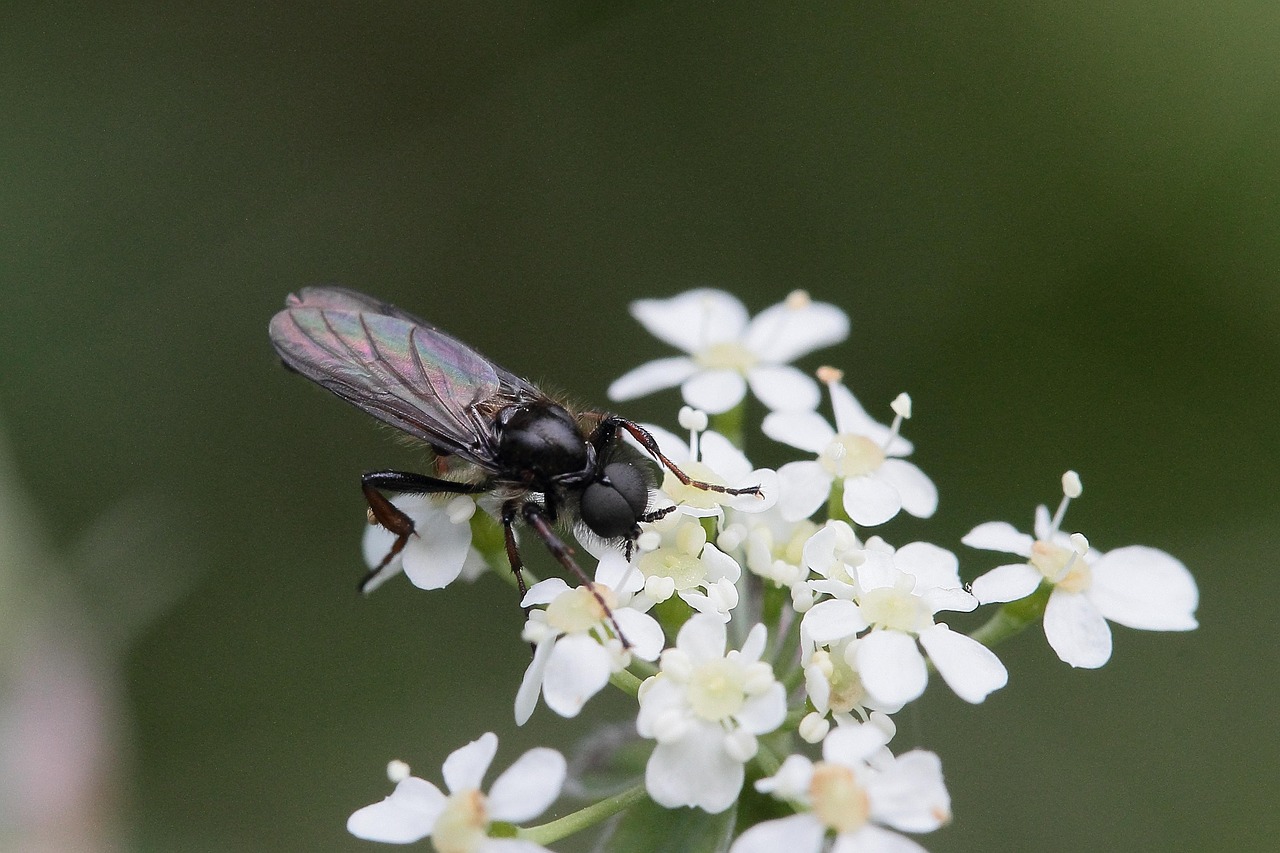
Fungus gnats are small, dark-colored flies, typically measuring about 1/8 of an inch. They are most commonly spotted hovering around the surface of potting soil or darting erratically near the base of a plant when you disturb the foliage or move the pot. Unlike other common houseplant pests, they are weak fliers and rarely travel far from their host.
To confirm an infestation, perform a quick inspection of your plant environment:
- Check the soil moisture: Fungus gnats thrive in consistently damp conditions. If your potting mix feels soggy or hasn’t dried out between waterings, it creates the perfect breeding ground for their larvae.
- Use a yellow sticky trap: Place a small yellow adhesive card near the soil surface. Fungus gnats are highly attracted to the color yellow and will become trapped, allowing you to get a closer look at their size and shape.
- Inspect the plant health: Look for signs of wilting or yellowing leaves. While adult gnats are primarily a nuisance, the larvae living in the soil feed on organic matter and delicate plant roots, which can cause visible stress to your greenery.
It is vital to differentiate these flies from other common pests. Aphids typically cluster on the undersides of leaves or along new growth and are usually green, white, or black. Spider mites, on the other hand, are nearly microscopic and often leave behind fine, silky webbing between stems and leaves. If you see webbing or clusters on the foliage rather than activity in the soil, you are likely dealing with a different pest that requires a specific treatment approach.
Once you have confirmed the presence of fungus gnats, focus on your immediate gardening practices. The most effective first step is to allow the top two inches of soil to dry out completely. This simple maintenance change disrupts the life cycle of the gnats, as they require moist conditions to lay eggs and for larvae to survive. By confirming the infestation early, you can resolve the issue with simple cultural adjustments rather than resorting to harsh chemical interventions.
Implement Cultural Controls to Stop the Life Cycle
The most effective strategy for eliminating fungus gnats is to disrupt their breeding cycle. These pests thrive in consistently damp environments, as their larvae require moist soil to feed and develop. By altering the conditions of your containers, you can make the environment inhospitable for future generations.
The primary cultural control is to allow the top two inches of potting soil to dry out completely between waterings. Fungus gnat larvae cannot survive in dry soil, and withholding water effectively kills them before they can mature into flying adults. Before watering again, use your finger to test the soil depth; if it still feels damp, wait another day or two.
Proper drainage is equally critical. If your pots lack adequate drainage holes, water will pool at the bottom, creating a stagnant, swampy reservoir that serves as a nursery for gnats. Ensure that your containers allow excess water to escape freely and never leave a pot sitting in a saucer of standing water.
In addition to moisture management, focus on sanitation to remove potential food sources for the larvae. Fungus gnats feed on decaying organic matter, so maintaining a clean soil surface is essential. Follow these practical steps to discourage infestation:
- Remove fallen leaves, spent flowers, or any dead plant debris from the surface of the soil immediately.
- Avoid over-mulching with organic materials that hold excessive moisture against the stem of the plant.
- If you use organic fertilizers like compost or fish emulsion, ensure they are fully incorporated into the soil rather than left sitting on top, where they can attract egg-laying adults.
- Inspect new plants carefully before introducing them to your home, as gnats are often brought in through infested nursery stock.
If you have a large collection of plants, consider using a moisture meter to accurately gauge soil hydration levels. This tool takes the guesswork out of your watering schedule, ensuring you provide only what the plant needs without creating the saturated conditions that invite pests. By consistently maintaining a drier soil surface and removing organic waste, you interrupt the gnat life cycle, leading to a healthier, pest-free indoor garden. These simple maintenance habits are the foundation of long-term plant health and are far more effective than relying solely on chemical treatments.

Use Physical and Biological Barriers
Controlling a gnat infestation requires a dual-pronged strategy that addresses both the flying adults and the larvae developing in the soil. By combining physical barriers with biological controls, you can break the insects’ life cycle effectively without resorting to harsh chemical pesticides that might damage your indoor environment.
The most immediate physical solution is the use of yellow sticky traps. Fungus gnats are naturally attracted to the color yellow, which mimics the appearance of flowers and foliage. Placing these traps near the base of your plants or hanging them just above the soil surface serves two purposes:
- Capture: They trap adult gnats on contact, preventing them from laying new eggs in your potting mix.
- Monitoring: The density of gnats caught on the card acts as an early warning system, helping you gauge whether your current treatment plan is working or if the population is still expanding.
While traps manage the adults, they do not address the root cause: the larvae living in the damp topsoil. For this, a biological approach is the gold standard for home gardeners. Applying a soil drench containing Bacillus thuringiensis israelensis (Bti) is a highly effective, targeted method. Bti is a naturally occurring bacterium that specifically targets the digestive systems of gnat larvae. When the larvae ingest the treated soil, the bacteria effectively neutralize them, yet the product remains completely safe for your plants, household pets, and beneficial insects.
To achieve the best results with Bti, follow these practical steps:
- Dilution: Always read the product label carefully. Using the correct dilution rate is essential to ensure the solution is potent enough to kill the larvae but gentle enough for your specific plant species.
- Application: Water your plants thoroughly with the Bti mixture, ensuring it reaches the top two inches of soil where the larvae reside.
- Consistency: Because Bti only kills the larvae currently feeding, you may need to repeat the application according to the manufacturer’s instructions to catch subsequent generations as eggs hatch.
By pairing these physical traps with a biological drench, you create an inhospitable environment for gnats while maintaining the health and safety of your indoor garden.
Safety and Handling Precautions
Before applying any treatment to eliminate gnats, prioritize your safety and the health of your household. Gardening products, even those labeled as organic or natural, can cause adverse reactions if mishandled. Always read the manufacturer’s label in full before opening any container, as it contains specific instructions regarding concentration, application frequency, and necessary safety gear.
When working with soil treatments or liquid solutions, follow these essential handling practices:
- Wear Protective Gloves: Use nitrile or rubber gardening gloves to prevent skin irritation or allergic reactions caused by direct contact with treatments or contaminated soil.
- Ensure Proper Ventilation: If you are using a spray-based product, work outdoors or in a room with excellent airflow. Avoid breathing in the mist, as fine particles can irritate your respiratory system.
- Protect Your Eyes: If you are spraying foliage or soil, wear safety glasses to prevent accidental splashes or drift from reaching your eyes.
- Wash Thoroughly: Once you have finished your garden maintenance, wash your hands and forearms with soap and warm water immediately. Do not touch your face or consume food until you have cleaned up completely.
Storage is just as important as application. Gardening supplies, including concentrated neem oil, hydrogen peroxide solutions, or sticky traps, must be kept in a secure location. Store all products in their original, clearly labeled containers on a high shelf or inside a locked cabinet to keep them entirely out of reach of children and pets. Never transfer treatment products into food or beverage containers, as this can lead to accidental ingestion.
If you are using outdoor power equipment or handheld sprayers to apply treatments, ensure the equipment is clean and well-maintained. Leaking nozzles or poorly maintained canisters can lead to spills that expose your skin or garden surfaces to unnecessary chemicals. If a product comes into contact with your skin, flush the area with cool water for several minutes. If you experience persistent irritation or if a product is ingested, seek medical attention immediately and have the product label available to show the medical professional.
By following these precautions, you can effectively manage your gnat problem while maintaining a safe environment for your family and your home garden.

Follow-up Care and When to Seek Professional Help
Eliminating fungus gnats is rarely a one-time event. Even after initial treatment, you must monitor your plants closely for at least three to four weeks. Adult gnats have a short lifespan, but larvae can remain hidden in the soil, meaning a new generation may emerge if conditions remain favorable. Continue to prioritize soil moisture management, ensuring the top two inches of potting mix dry out completely between waterings to discourage further egg-laying.
If you notice a resurgence of adult gnats despite consistent drying and the use of biological controls like Bacillus thuringiensis israelensis (Bti), your current potting medium may be harbor larvae deeper in the pot. In this scenario, repotting is the most effective next step:
- Gently remove the plant from its container and shake away as much of the old, infested soil as possible.
- Inspect the root system for signs of decay or damage caused by larvae.
- Use a clean, sharp pair of hand pruners—sterilized with rubbing alcohol—to trim away any mushy, blackened, or dead roots.
- Replant using a high-quality, sterile potting mix designed for indoor use.
- Ensure the new pot has adequate drainage holes to prevent future waterlogging.
For outdoor gardens or large indoor collections, the situation can become more complex. If you observe widespread yellowing, stunted growth, or severe wilting across multiple plants, the issue may extend beyond a simple gnat nuisance. These symptoms can indicate systemic root rot or underlying fungal pathogens that require professional intervention.
When DIY methods fail to resolve a persistent infestation, do not hesitate to seek expert advice. Local university extension services are excellent resources for plant diagnostics and can provide region-specific guidance on managing severe pest outbreaks. If you are dealing with a high-value collection, a consultation with a certified arborist or a local horticultural specialist can help you identify if the gnats are a symptom of a larger environmental issue, such as poor soil drainage or improper irrigation habits. Taking swift action protects the long-term health of your garden and prevents the spread of pests to healthy specimens.
