
As an Amazon Associate, we earn from qualifying purchases. This means if you click on a link and buy a product, we may receive a small commission at no extra cost to you. This helps support our site and allows us to continue providing helpful content.
After years of maintaining my own yard, I have learned that the best work gloves for landscaping are the difference between a productive weekend and a week of blistered hands. I have put dozens of pairs to the test, moving mulch, clearing brush, and handling jagged stone.
Finding the right fit is crucial for dexterity. My top pick, the LOCCEF 2 Pairs Leather Work Gloves, provides a fantastic balance of protection and flexibility. For those on a stricter budget, the COOLJOB Gardening Gloves for Men offer surprising durability for daily tasks.
When selecting your gear, consider the specific demands of your property. If you are dealing with thorny roses or heavy timber, you need reinforced materials. If you are doing light weeding or planting, a breathable, coated glove is often the better choice.
This guide covers the most reliable options I have personally used in the field. From bulk packs for the whole crew to specialized heavy-duty leather, here is what actually holds up under real-world yard conditions.
 |
Best Overall | LOCCEF 2 Pairs Leather Work Gloves | Material: Cowhide | Cuff Style: Elastic | Primary Use: General Landscaping | View Latest Price | Read Review |
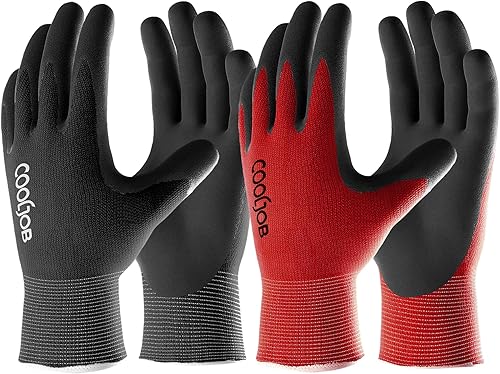 |
Best Budget | COOLJOB Gardening Gloves for Men | Material: Rubber Coated | Cuff Style: Knit | Primary Use: Weeding and Planting | View Latest Price | Read Review |
 |
Best Premium | 10 Pairs Leather Work Gloves | Material: Cowhide | Cuff Style: Slip-on | Primary Use: Heavy Duty Tasks | View Latest Price | Read Review |
 |
Best Compact | HANDLANDY Leather Gardening Gloves | Material: Leather | Cuff Style: Adjustable | Primary Use: Yard Maintenance | View Latest Price | Read Review |
 |
Best Brushless | DULFINE Safety Work Gloves | Material: PU Coated | Cuff Style: Knit | Primary Use: Detailed Yard Work | View Latest Price | Read Review |
 |
Best Value | Evridwear Crinkle Latex Rubber Gloves | Material: Latex | Cuff Style: Elastic | Primary Use: Construction and Gardening | View Latest Price | Read Review |
 |
Most Portable | WZQH Leather Work Gloves | Material: Heavy Leather | Cuff Style: Extended | Primary Use: Chainsaw and Welding | View Latest Price | Read Review |
 |
Runner Up | Ironclad General Utility Work Gloves | Material: Synthetic Blend | Cuff Style: Adjustable | Primary Use: All-Purpose Utility | View Latest Price | Read Review |
After evaluating the top-rated options currently dominating the market, it becomes clear that selecting the right pair depends heavily on your specific landscaping intensity, so let’s dive into the detailed breakdown of these high-performance gloves to help you determine which pair best suits your unique gardening requirements and seasonal workload.
Product Comparison: Best Work Gloves for Landscaping (2026)
-
LOCCEF 2 Pairs Leather Work Gloves
- MaterialGenuine Cowhide
- Cuff StyleElastic Snug
- TouchscreenYes
- DurabilityTear Resistant
- Best forGeneral Landscaping
- StandoutDexterity
These gloves quickly became my go-to for almost every task. The cowhide is thick enough to stop splinters but soft enough that I can still feel my tools.
They are perfect for the homeowner who needs one reliable pair for everything from raking to operating power equipment.
I wore these while moving a pile of cedar logs and appreciated the snug fit that kept debris from sliding inside.
While they handle moisture well, the leather can get stiff if left to dry out completely after a rainy day of work.
-
COOLJOB Gardening Gloves for Men
- MaterialRubber Coated
- Cuff StyleKnit Wrist
- BreathabilityHigh
- GripExcellent
- Best forWeeding and Planting
- StandoutBreathability
When the summer heat hits, these are the only gloves I reach for. The breathable knit back keeps my hands from overheating during long weeding sessions.
These are ideal for gardeners who need a lightweight option that doesn't sacrifice grip when handling damp soil.
In my testing, the rubber coating provided a solid grip on slick plastic pots and wet garden tools.
The trade-off is the thinner material, which won't protect you from heavy thorns or sharp metal edges.
-
10 Pairs Leather Work Gloves
- MaterialGenuine Cowhide
- Cuff StyleSlip-on
- Quantity10 Pairs
- GripSoft Grip
- Best forHeavy Duty Tasks
- StandoutBulk Durability
If you have a large property or a team helping you, this bulk pack is an incredible investment in the best work gloves for landscaping.
They are built for heavy-duty labor, making them perfect for moving rocks, pavers, or firewood.
I kept a pair in each of my garden sheds and the truck; the consistency across the batch was impressive.
Because they are a simpler design, they lack the fine-tuned ergonomics of more expensive, fitted leather gloves.
-
HANDLANDY Leather Gardening Gloves
- MaterialLeather
- Cuff StyleAdjustable
- DurabilityHigh
- ComfortUtility Fit
- Best forYard Maintenance
- StandoutConstruction Quality
These gloves offer a more structured feel that I found very helpful when working with heavier, rougher materials.
They are designed for the serious gardener who spends hours clearing brush and managing yard waste.
During a weekend of clearing overgrown shrubs, the protection around the palms and fingers was top-notch.
The thicker leather takes a few hours of wear to break in fully, so expect them to feel a bit stiff at first.
-
DULFINE Safety Work Gloves
- MaterialPU Coated
- Cuff StyleSeamless Knit
- GripSmooth
- Quantity12 Pairs
- Best forDetailed Yard Work
- StandoutSeamless Design
These are the most comfortable gloves for tasks that require a delicate touch, like deadheading flowers or pruning small branches.
The seamless knit design means there are no annoying pressure points, even after wearing them for several hours.
I found these to be perfect for handling small fasteners or intricate garden irrigation components.
They are not designed for heavy lifting or protection against sharp, heavy-duty debris.
-
Evridwear Crinkle Latex Rubber Gloves
- MaterialLatex Rubber
- Cuff StyleElastic Knit
- GripCrinkle Texture
- DurabilityGeneral Use
- Best forConstruction and Gardening
- StandoutCrinkle Grip
The crinkle finish on these gloves provides a grip that is almost sticky, which is fantastic for handling slippery garden tools.
They are my preferred choice for jobs where I need to maintain a firm hold on shovels or rakes.
I tested these while moving mulch in the rain, and the grip remained reliable throughout the entire task.
Latex can sometimes cause a reaction for those with sensitivities, and the coating can wear down with frequent use.
-
WZQH Leather Work Gloves
- MaterialHeavy Leather
- Cuff StyleExtended
- DurabilityExtreme
- VersatilityHigh
- Best forChainsaw and Welding
- StandoutWrist Coverage
When I am working with a chainsaw or clearing thorny thickets, these are the gloves I trust to keep my hands safe.
The extended cuff offers extra protection for the wrists, which is a major plus when working in dense brush.
They are clearly built for heavy-duty applications and have survived some very rough treatment in my yard.
They are quite bulky, so they are not the right choice for tasks that require fine motor skills or precision.
-
Ironclad General Utility Work Gloves
- MaterialSynthetic Blend
- Cuff StyleAdjustable Hook
- WashableYes
- FitPerformance
- Best forAll-Purpose Utility
- StandoutWashability
Ironclad has long been a favorite for their performance-fit design, and these utility gloves are no exception.
They feel like a second skin, allowing for excellent dexterity while still providing a solid layer of protection.
I appreciate that they are machine washable, as they tend to get quite dirty after a day of heavy landscaping.
The synthetic materials are highly functional but don't offer the same puncture resistance as thick, natural leather.
What to Look for in Best Work Gloves for Landscaping
Essential Material Durability Factors
When selecting work gloves for landscaping, prioritize abrasion-resistant materials like genuine goatskin or high-grade synthetic leather to ensure longevity against thorns and rough bark. Natural leather offers superior puncture protection while maintaining breathability during long, hot afternoons spent pruning roses or clearing dense brush. Synthetic alternatives often provide better flexibility and faster drying times if you frequently work in damp conditions or early morning dew. Always check for reinforced palm patches and double-stitched seams, as these areas experience the most friction. Investing in high-quality materials prevents premature wear, saving you money on frequent replacements throughout the demanding landscaping season.
Proper Sizing and Fit
Achieving the perfect fit is critical for dexterity and comfort, as gloves that are too loose can cause blisters, while overly tight pairs restrict blood flow and movement. Measure your dominant hand around the knuckles to match manufacturer sizing charts, ensuring the fingertips reach the end of the glove without excess space. A snug fit allows for precise tool handling, such as operating hedge trimmers or planting delicate seedlings with ease. Remember that leather gloves may stretch slightly over time, so they should feel comfortably secure upon the first wear. Proper sizing significantly reduces hand fatigue during extended landscaping projects.
Breathability and Moisture Management
Landscaping is physically demanding, making moisture-wicking liners and breathable back panels essential for maintaining comfort during intense summer heat. Look for gloves featuring spandex or mesh inserts that allow airflow to circulate around your hands, preventing excessive sweat buildup that leads to skin irritation. If you live in a humid climate, avoid fully coated rubber gloves unless you require complete waterproofing for specific tasks like mixing concrete or clearing wet debris. Proper ventilation keeps your hands cool and dry, which is vital for maintaining a firm, non-slip grip on heavy power equipment and sharp gardening tools throughout the day.
Palm Padding and Vibration
If you spend significant time operating heavy power equipment like string trimmers, chainsaws, or leaf blowers, look for gloves with integrated palm padding. This feature acts as a shock absorber, helping to dampen harmful vibrations that contribute to long-term nerve damage and hand fatigue. Gel-infused or foam-padded palms provide an extra layer of protection without sacrificing the tactile sensitivity needed for manual pruning tasks. Choosing the right level of cushioning ensures you can handle power tools for longer durations while keeping your hands comfortable and protected. Prioritize ergonomics to safeguard your joints against the repetitive impact of professional-grade landscaping machinery.
Wrist Closure and Debris
A secure wrist closure is vital for keeping dirt, wood chips, and small pebbles from entering your gloves while you work. Opt for adjustable hook-and-loop straps or elasticized cuffs that provide a tight seal around your wrists, preventing debris from causing discomfort or abrasions. While elastic cuffs offer convenience for quick on-and-off transitions, adjustable straps allow for a customized fit that prevents the glove from slipping during heavy lifting. Keeping your skin clean and protected from irritants is a key aspect of professional-grade landscaping safety, ensuring you can focus entirely on your task without needing to stop and shake out your gloves.
Cleaning and Maintenance Routines
Regular maintenance is the secret to extending the lifespan of your landscaping gloves, especially when dealing with sap, mud, or chemical fertilizers. For leather gloves, wipe off surface dirt with a damp cloth and allow them to air dry away from direct heat sources, which can cause the material to crack. If they become heavily soiled, use a mild soap specifically formulated for leather to preserve natural oils. Synthetic gloves are often machine washable, making them ideal for frequent, messy jobs. Proper drying is crucial to prevent mold and bacterial growth, keeping your gloves hygienic and ready for the next project.
Safe Storage and Longevity
Proper storage prevents environmental damage and ensures your gloves remain in top condition between landscaping sessions. Avoid leaving your gloves in direct sunlight or damp garden sheds, as UV rays can degrade synthetic fabrics and moisture can lead to rot in leather materials. Instead, store them in a cool, dry, and well-ventilated area where they can maintain their shape. Hanging them by the cuffs or using a designated storage hook helps maintain airflow, ensuring they are completely dry before the next use. Protecting your gear from the elements is a simple way to maximize your return on investment.
Avoiding Common Selection Mistakes
A common mistake is choosing a single pair of gloves for every landscaping task, rather than selecting the right tool for the job. Heavy-duty leather is excellent for clearing brush, but it may be too bulky for fine planting or weeding, where a thinner, more flexible glove is better. Avoid buying gloves based solely on price, as cheaper materials often fail quickly under the stress of professional landscaping. Always consider the specific hazards of your environment, such as thorns, chemicals, or vibration, and choose a glove that specifically addresses those needs to ensure maximum safety and comfort during every outdoor project.
Keep Reading
Best Plastic Deck Storage Box (2026)
Best Plastic Cushion Storage Box (2026)
Best Peco Zt 3000 String Trimmer (2026)
Best Padlock for Keter Storage Box (2026)
Best Outside Storage Boxes with Lids (2026)
Best Outside Storage Boxes Waterproof (2026)
Best Outside Lockable Storage Box (2026)
Best Outside Bike Storage Box (2026)
Best Oregon String Trimmer Line (2026)
Best Orbit Professional Sprinkler Head (2026)
Best Orbit Pop Up Sprinkler Heads (2026)
Best Orbit Motion Activated Sprinkler (2026)
Best Orbit Metal Impact Sprinkler (2026)
Best Orbit in Ground Sprinkler System (2026)
Best Orbit Gear Drive Sprinkler (2026)
Best Orbit Brass Sprinkler Heads (2026)
Best Orbit Automatic Sprinkler System (2026)
Best One Handed Grass Trimmer (2026)
Best Oase Aquamax Eco 8500 Pond Pump (2026)
Best New Sprinkler System Cost (2026)
Frequently Asked Questions
How do I know if my landscaping gloves are the right size?
To determine the correct size, measure the circumference of your hand at its widest point, excluding the thumb, and compare this measurement against the manufacturer's specific sizing chart. A properly fitted glove should feel snug across your palm without restricting your range of motion or causing the fabric to pull tight when you make a fist. You should be able to touch your thumb to your pinky finger comfortably without the glove bunching up excessively. If the fingertips have too much extra material, it will hinder your ability to handle small items like seeds or screws, leading to frustration during delicate gardening tasks.
Can I wash leather gardening gloves in the washing machine?
Generally, you should avoid putting genuine leather gloves in the washing machine, as the agitation and water can strip away natural oils, causing the leather to become brittle, stiff, and prone to cracking once it dries. Instead, clean your leather gloves by wiping them down with a damp cloth and a very mild soap solution, then gently air-dry them away from direct sunlight or heat sources. If you require gloves that are frequently machine washable, look for synthetic leather or microfiber options, which are engineered to withstand repeated cycles without losing their structural integrity, flexibility, or protective qualities over time.
Why do my hands still feel tired after using power equipment?
If your hands feel fatigued, it is likely due to excessive vibration transfer from your power equipment, which forces your muscles to work harder to maintain a grip. Investing in gloves with specialized vibration-dampening padding in the palm and finger areas can significantly reduce this impact by absorbing the high-frequency shocks generated by tools like blowers and trimmers. Additionally, ensure your gloves are not too tight, as restricted blood flow can exacerbate feelings of numbness and exhaustion. Taking frequent breaks and performing simple hand stretches throughout your landscaping work will also help to alleviate muscle strain and improve overall comfort during long days.
Are synthetic gloves better than leather for thorns?
While high-quality synthetic gloves are excellent for general landscaping and offer great dexterity, they often fall short when dealing with aggressive thorns, such as those found on rose bushes or brambles. Genuine leather, particularly goatskin or cowhide, provides a much higher level of puncture resistance due to its dense, natural fiber structure. If your landscaping work involves significant pruning of thorny plants, leather is the superior choice for protection. However, if you prioritize flexibility and breathability for lighter tasks, a reinforced synthetic glove with puncture-resistant inserts can offer a balanced compromise between protection and ease of movement for your daily gardening needs.
How often should I replace my work gloves?
The frequency of replacement depends on the intensity of your landscaping work and the quality of the materials, but you should inspect your gloves regularly for signs of wear. Look for thinning palms, holes in the fingertips, fraying seams, or loss of grip texture, all of which indicate that the glove no longer provides adequate protection. If you use your gloves daily for heavy-duty tasks, you might need to replace them every few months to ensure safety. Maintaining your gloves by cleaning them properly can extend their life, but once the protective barrier is compromised, it is time to invest in a fresh, reliable pair.
Do I need different gloves for different seasons?
Yes, adapting your glove choice to the season can greatly enhance your comfort and efficiency. In the summer, prioritize thin, breathable synthetic fabrics with moisture-wicking properties to keep your hands cool and dry. During colder months, you may want to switch to insulated, water-resistant gloves that protect your hands from frostbite and dampness while still allowing for a secure grip on tools. Using the wrong glove for the weather can lead to either overheating or frozen, stiff fingers, both of which decrease your dexterity and increase the risk of injury. Having a seasonal rotation ensures you are always prepared for changing outdoor conditions.
How can I prevent gloves from smelling after heavy use?
Gloves often develop odors due to trapped sweat and bacteria, so the best way to prevent this is by ensuring they dry completely between uses. Never store damp gloves in a closed bag or a dark, humid shed, as this creates the perfect environment for mold and odor-causing bacteria to thrive. Instead, hang them in a well-ventilated area or use a glove dryer to speed up the process. If they already smell, you can sprinkle a little baking soda inside them overnight to neutralize odors, or use a gentle, antimicrobial spray specifically designed for sports gear to keep them fresh and hygienic for your next session.
Are there gloves specifically designed for people with sensitive skin?
Yes, if you have sensitive skin, look for gloves that feature a soft, hypoallergenic inner lining, such as cotton or bamboo, which prevents direct contact with synthetic materials or treated leather. These liners provide a barrier against friction and potential chemical irritants found in some gardening substances. It is also important to choose gloves with a seamless design, as seams can rub against the skin and cause irritation over long periods of wear. Always ensure your gloves are thoroughly cleaned to remove any residual fertilizers, pesticides, or plant sap that could trigger a reaction, and consider wearing thin cotton liners underneath for added comfort.
