
To attract hummingbirds to your backyard, you must provide a consistent source of nectar and a safe, sheltered environment. Planting vibrant, tubular flowers and installing clean, well-maintained feeders are the most effective ways to turn your outdoor space into a thriving hummingbird sanctuary for these fascinating pollinators.
Creating a welcoming habitat requires more than just hanging a single feeder. You need to understand the seasonal needs of these birds, including their requirement for high-energy food sources and nesting materials. Success depends on your commitment to garden maintenance, consistent cleaning routines, and selecting the right native plants for your region.
In this guide, we explore essential strategies for effective garden design and reliable equipment management. From choosing the best hand tools for pruning nectar-rich blooms to selecting durable outdoor power equipment for landscape preparation, we provide practical tips to help you cultivate a beautiful, bird-friendly oasis that brings hummingbirds back to your yard year after year.
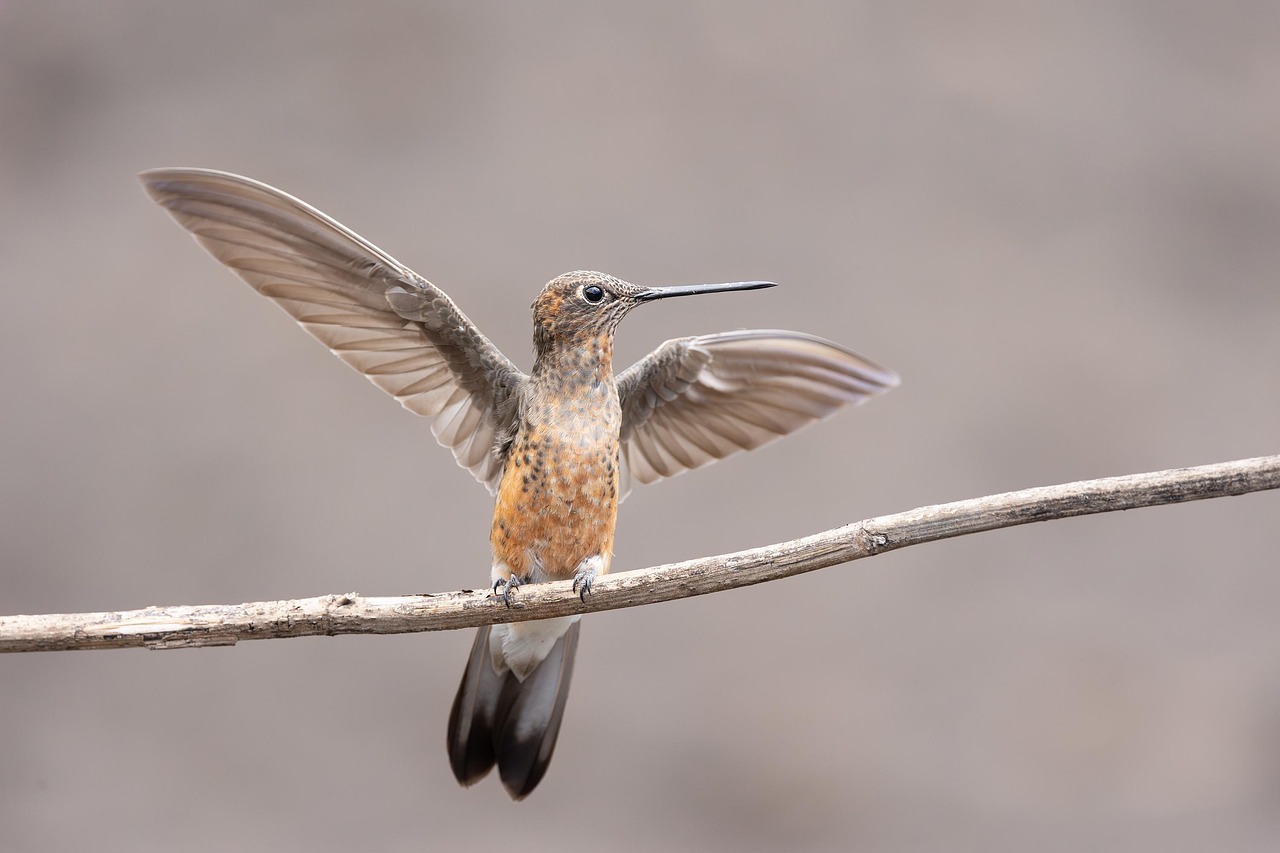
Choose the Right Plants for Natural Foraging
Attracting hummingbirds begins with transforming your garden into a reliable refueling station. These high-energy birds require a constant supply of nectar, and the most effective way to provide this is by selecting the right plant species. Focus on native perennials and annuals, as these are often better adapted to your local climate and provide the high-quality nectar these birds crave.
When selecting your flora, prioritize tubular-shaped blossoms. Hummingbirds have evolved specialized beaks and tongues perfectly suited to reach deep into these structures, which often exclude other insects. Aim for a vibrant palette of red, orange, and pink, as these hues are highly visible to hummingbirds and serve as primary visual cues for potential food sources.
Consider incorporating these reliable favorites into your landscape design:
- Trumpet Vine: A vigorous climber that provides an abundance of nectar, though it requires sturdy support structures.
- Bee Balm (Monarda): A hardy perennial that thrives in most garden settings and is a magnet for pollinators.
- Salvia: Available in many varieties, these plants offer long-lasting, tubular blooms that keep birds coming back.
- Columbine: An excellent choice for early-season foraging, providing a bridge before mid-summer blooms take over.
To keep hummingbirds in your yard throughout the entire season, you must stagger your planting schedule. If all your flowers bloom simultaneously, your visitors will move on once the nectar dries up. By mixing early, mid, and late-season bloomers, you create a consistent food supply from spring through autumn. Maintenance is relatively simple; keep your garden beds well-mulched to retain soil moisture and deadhead spent blooms to encourage the plants to produce fresh flowers rather than seeds.
Finally, avoid the use of chemical pesticides in your garden. Hummingbirds supplement their nectar diet with small insects and spiders for protein. A healthy, chemical-free ecosystem ensures that your garden provides both the sugar they need for energy and the protein they need for nesting and growth. By curating a diverse, nectar-rich environment, you create a sustainable habitat that encourages hummingbirds to return year after year. Always position your plants in areas with good sun exposure, as this promotes more prolific flowering and higher nectar production.
Set Up and Maintain Hummingbird Feeders
Setting up a hummingbird feeder is one of the most effective ways to invite these energetic birds into your garden. To ensure they return consistently, you must prioritize both the quality of the nectar and the cleanliness of your equipment.
The ideal nectar mimics natural flower sugar. Mix one part white granulated sugar with four parts water. Boil the water first to dissolve the sugar completely, then allow it to cool entirely before filling your feeder. Never use honey, which can cause dangerous fungal infections in hummingbirds, or artificial sweeteners, which provide no energy. Additionally, avoid adding red food dye; it is unnecessary and potentially harmful to the birds.
Maintaining a hygienic feeding station is essential for bird health. Hummingbirds are susceptible to mold and bacteria, which can grow rapidly in warm weather. Follow these maintenance steps to keep your feeders safe:
- Clean frequently: Rinse and scrub your feeders with hot water every two to three days. If you notice black spots or cloudy residue, soak the parts in a solution of one part white vinegar to two parts water before scrubbing.
- Monitor the nectar: In high temperatures, nectar can ferment quickly. Replace the solution every two days during heatwaves to prevent spoilage.
- Use the right tools: Invest in a dedicated bottle brush designed for narrow feeder ports. These small hand tools are vital for reaching deep into crevices where mold spores hide.
- Check for leaks: Ensure your feeder is properly sealed to prevent dripping. Spilled sugar water attracts unwanted insects like ants and wasps, which may deter hummingbirds from visiting.
Position your feeder in a shaded or semi-shaded area to keep the nectar cool for longer periods. If you have multiple feeders, space them out to prevent territorial disputes, as hummingbirds are notoriously protective of their food sources. By keeping your equipment clean and the nectar fresh, you create a reliable oasis that will keep these vibrant visitors returning throughout the season.
Finally, remember that your garden maintenance routine plays a role in safety. Avoid using chemical pesticides near your feeders, as these toxins can be fatal to hummingbirds. By pairing a well-maintained feeder with a pesticide-free environment, you provide a truly healthy habitat for your local hummingbird population.

Provide Essential Water and Shelter
Hummingbirds require more than just nectar to thrive in your backyard. To create a true sanctuary, you must provide reliable water sources and protective shelter. Because these birds have high metabolic rates, they need a safe environment where they can bathe, preen, and rest between feedings.
Hummingbirds are particularly attracted to moving water. Unlike larger birds that prefer deep basins, hummingbirds need shallow, accessible water to avoid drowning. A birdbath with a gentle mister or a recirculating fountain is ideal. The sound and movement of the water act as a beacon, drawing them in from a distance.
Incorporate a variety of trees and shrubs to provide essential perching spots and protection. Dense foliage offers a safe retreat from predators like hawks or neighborhood cats and shields the birds from harsh wind and rain. When selecting plants, aim for a mix of native species that offer both structural support and natural cover.
Maintaining these plants is vital for the health of your garden, but safety must remain your top priority when using outdoor power equipment. If you are using hedge trimmers to shape your shrubs or clear branches, follow these essential safety practices:
- Wear protective gear: Always wear impact-resistant safety glasses to shield your eyes from flying debris and wood chips.
- Use hearing protection: Power tools generate significant noise; use earplugs or earmuffs to prevent long-term hearing damage.
- Inspect before cutting: Before operating any power tool, visually inspect the interior of the shrub for active bird nests. Hummingbirds build tiny, well-camouflaged nests that can be easily damaged.
- Maintain your equipment: Ensure blades are sharp and guards are securely in place before starting. Dull blades require more force, which increases the risk of slipping.
Beyond power tools, keep a set of high-quality hand tools—such as bypass pruners and loppers—on hand for lighter maintenance. Manual tools offer better precision when thinning out dense growth, allowing you to create “flight paths” through your garden. By carefully managing your landscape, you provide the perfect balance of open space for aerial maneuvers and dense foliage for security. A well-maintained garden that prioritizes these needs will quickly become a favorite destination for hummingbirds throughout the season.
Create a Pesticide-Free Environment
To turn your backyard into a hummingbird sanctuary, you must rethink how you manage your landscape. Hummingbirds are not just nectar drinkers; they rely on small insects and spiders as a critical source of protein, especially when feeding their young. If you use chemical pesticides, you inadvertently eliminate this essential food source and potentially expose the birds to toxic residues.
The most effective approach is to embrace integrated pest management. By fostering a balanced ecosystem, you allow beneficial insects—such as ladybugs, lacewings, and predatory wasps—to keep pest populations in check naturally. When you stop spraying, you create a self-regulating garden where hummingbirds can hunt safely.
Transitioning to a pesticide-free environment requires a shift in your maintenance routine:
- Prioritize Soil Health: Use organic compost and mulch to build strong, resilient plants. Healthy plants are naturally more resistant to pests and diseases, reducing the perceived need for chemical intervention.
- Hand-Pick Pests: If you notice an aphid outbreak, use a strong stream of water from your garden hose to dislodge them, or manually remove them. This keeps your plants healthy without introducing synthetic chemicals.
- Encourage Biodiversity: Plant a variety of native species. A diverse garden attracts a wide array of insects, ensuring there is always a natural food supply available for hummingbirds throughout the season.
- Accept Minor Damage: A few holes in your leaves are a sign of a thriving, living garden. Resist the urge to reach for a spray bottle at the first sign of insect activity.
When you maintain your lawn and garden using mechanical tools—like a manual push mower or hand pruners—rather than relying on chemical quick-fixes, you protect the delicate food web. Keep your garden maintenance focused on physical upkeep, such as weeding by hand or using natural barriers, rather than chemical sprays. By eliminating synthetic pesticides, you transform your outdoor space into a safe, reliable habitat where hummingbirds can forage for both nectar and the protein they need to survive. A truly healthy garden is one that works in harmony with nature, not against it.

Common Questions and Ongoing Maintenance
Maintaining a hummingbird-friendly garden requires more than just filling feeders. To keep your outdoor space safe and functional, you must manage your equipment and environment with care. If you are installing tall poles or decorative structures to hang feeders, ensure they are securely anchored into the ground. Use a post-hole digger to reach below the frost line if necessary, and pack the soil firmly around the base to prevent tipping during heavy winds or rain.
When performing routine garden maintenance, always inspect your tools for rust or loose handles, as damaged equipment can lead to accidents. If you find bees or wasps congregating around your feeders, do not use chemical pesticides nearby, as these are toxic to hummingbirds. Instead, troubleshoot the issue by moving the feeder to a different location or switching to a feeder model with built-in bee guards. A quick rinse of the exterior with plain water can also help remove sticky nectar residue that attracts unwanted insects.
Staying organized with your seasonal tasks is essential for bird health. Keep a log of your local migration patterns to know exactly when to take feeders down for the season. Generally, you should remove feeders after the last hummingbirds have migrated south to avoid encouraging birds to stay past their natural departure time. Keep your cleaning supplies, such as long-handled bottle brushes and mild soap, stored in a dry, accessible outdoor shed to ensure you can sanitize your equipment every few days without hassle.
If you notice sick birds or are unsure which native plants will thrive in your specific climate, reach out to your local agricultural extension office. These experts provide invaluable, region-specific advice that generic online guides often miss. They can help you identify:
- Native nectar-rich plants that require minimal irrigation and fertilizer.
- Signs of avian illness, such as lethargy or ruffled feathers, that require immediate reporting.
- Sustainable soil management practices that support the insects hummingbirds rely on for protein.
By keeping your hardware secure and your maintenance routine consistent, you create a reliable, safe sanctuary for hummingbirds. Always prioritize the safety of the birds by keeping your feeders clean and your garden structures sturdy, ensuring your backyard remains a productive habitat throughout the entire season.