
To kill gnats on your plants, you must first allow the top two inches of soil to dry out completely between waterings. This simple adjustment disrupts the fungus gnat life cycle by preventing larvae from surviving in damp environments. Fungus gnats are a common nuisance for indoor gardeners, often appearing when soil stays too damp.
While these pests are frustrating, they are rarely fatal to healthy plants if caught early. Understanding that gnats thrive in moisture is the key to long-term control. This guide explains how to identify an infestation and provides practical, safe methods to eliminate gnats and protect your plants without relying on harsh chemicals.
Beyond adjusting your watering schedule, we will explore effective tools like yellow sticky traps and natural solutions such as neem oil or hydrogen peroxide. By combining these maintenance techniques with proper drainage, you can restore your home garden to a healthy, pest-free state. Let’s get your indoor plants back on track today.

Identify the Source of the Infestation
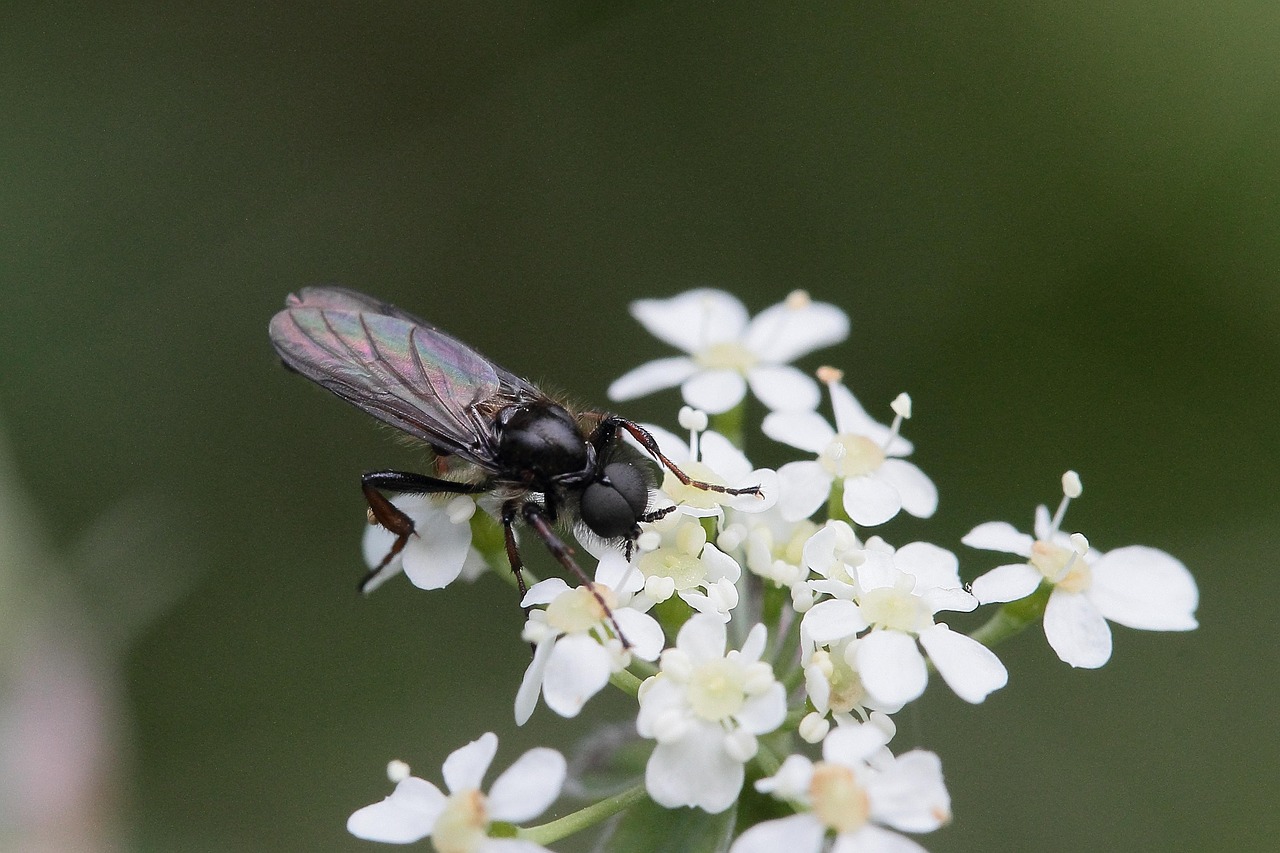
Before you reach for pesticides or aggressive treatments, you must confirm that the pests hovering around your greenery are actually fungus gnats. Misidentifying the insect can lead to ineffective treatments that may harm your plants or waste your time. Fungus gnats are small, dark-colored flies that often hover near the soil surface or congregate around windowsills.
To confirm an infestation, perform a quick inspection of your gardening environment:
- Observe movement: Gently shake your plant pots or disturb the top layer of soil. If tiny, gnat-sized flies immediately take flight, you are likely dealing with fungus gnats.
- Check the soil surface: Look closely at the potting medium. Fungus gnat larvae are tiny, translucent “worms” with distinct black heads. They live in the top one to two inches of soil, feeding on organic matter and fungal growth.
- Examine moisture levels: Fungus gnats thrive in damp, stagnant conditions. If your soil remains consistently wet or waterlogged, it creates the perfect breeding ground for their eggs.
It is helpful to distinguish these from other common houseplant pests. Unlike spider mites, which create fine webbing, or aphids, which typically cluster on the undersides of leaves and stems, fungus gnats are almost exclusively associated with the soil. If you notice flies but see no damage to the foliage itself, the soil is almost certainly the source.
Once you have identified the source, take a moment to evaluate your watering habits. Overwatering is the single most common cause of a gnat outbreak. If the top inch of your soil is constantly soggy, the gnats will continue to reproduce regardless of the treatment you apply. Before starting any remediation, allow your plants to dry out significantly between waterings. This simple cultural change often stops the life cycle of the gnats by depriving the larvae of the moisture they need to survive.
By confirming the presence of larvae and addressing the damp soil conditions, you ensure that your subsequent treatment plan is targeted and effective. Taking these steps early prevents the infestation from spreading to your other healthy houseplants, saving you from having to treat your entire collection later.
Implement Cultural Controls and Watering Adjustments
The most effective way to break the gnat life cycle is to disrupt their breeding ground. Fungus gnats thrive in consistently moist soil, where they lay eggs that hatch into larvae. By adjusting your watering habits, you create an environment that is inhospitable to these pests.
Allow the top two inches of your potting mix to dry out completely between waterings. You can easily test this by inserting your finger into the soil; if it feels damp or cool, hold off on watering. When the top layer is dry, the larvae—which live near the surface—will struggle to survive, effectively stopping the next generation of gnats from emerging.
Proper drainage is equally critical to long-term success. If your containers lack adequate drainage holes, water will pool at the bottom, creating a stagnant, boggy environment that gnats love. To ensure your plants stay healthy and pest-free, follow these practical maintenance steps:
- Check drainage: Ensure every pot has functional holes at the base. If you use decorative cachepots without drainage, remove the nursery pot to water it in a sink, letting it drain fully before returning it to the decorative container.
- Empty saucers: Never let your plants sit in a saucer of standing water. Empty any excess water immediately after irrigation to prevent soil saturation.
- Use well-draining media: If you notice soil staying wet for too long, consider repotting into a mix amended with perlite or pumice. These additions improve aeration and help the soil dry out more evenly.
- Prune and clean: Use sharp, clean hand tools to remove decaying leaves or debris from the soil surface. Fungus gnats feed on organic matter, so keeping the surface clear reduces their food source.
Consistency is key. While it may be tempting to water on a strict schedule, always rely on the moisture level of the soil rather than a calendar. By prioritizing soil aeration and allowing for a dry-down period, you naturally discourage gnat infestations without the need for harsh chemicals. If you are using outdoor power equipment for larger garden beds, ensure that your irrigation systems are calibrated to avoid over-saturating the soil around your potted plants, as runoff can contribute to persistent moisture issues.

Use Physical Barriers and Traps
When dealing with a fungus gnat infestation, physical intervention is one of the most effective ways to break their lifecycle without relying solely on chemical treatments. By combining traps for the adults and physical barriers for the soil, you can significantly reduce the population in a matter of days.
Yellow Sticky Traps
Fungus gnats are naturally attracted to the color yellow. Placing sticky traps near the base of your plants or hanging them slightly above the soil line is a highly effective way to capture adult gnats. These traps serve two purposes:
- Population Control: They catch flying adults before they can mate and lay new eggs in your potting mix.
- Monitoring: They provide a clear visual indicator of how severe your infestation is and whether your current treatment methods are working.
Be sure to replace the traps once they become covered in insects or lose their adhesive quality.
Creating a Soil Barrier
The most critical step in stopping a gnat infestation is preventing the adults from accessing the moist soil where they lay their eggs. You can create an inhospitable environment by applying a physical barrier to the top of your container soil.
Follow these steps to create an effective barrier:
- Remove any dead leaves or organic debris from the soil surface, as these provide food for larvae.
- Apply a half-inch layer of decorative sand, fine gravel, or coarse horticultural grit directly over the soil.
- Ensure the layer is uniform and covers the entire surface right up to the edge of the pot.
This barrier serves as a dry, abrasive layer that adults cannot penetrate to lay eggs. Furthermore, if any larvae are already present in the soil, this layer prevents them from successfully emerging as adults, effectively trapping them beneath the surface. Because sand dries out much faster than potting soil, it creates a hostile environment that discourages future egg-laying. For the best results, ensure you are not overwatering your plants, as consistently soggy soil remains the primary reason gnats choose to inhabit your indoor garden.
Apply Safe Biological and Natural Treatments
If cultural adjustments like drying out your soil or using yellow sticky traps fail to resolve a fungus gnat infestation, it is time to introduce biological controls. These methods target the larvae living in the soil, which is the most effective way to break the life cycle and prevent future generations of flying adults.
The gold standard for organic gnat control is Bacillus thuringiensis israelensis (BTI). This naturally occurring soil bacterium is highly effective against fungus gnat larvae while remaining completely safe for humans, pets, and beneficial insects like bees. Because BTI is a biological agent rather than a synthetic chemical, it does not leave toxic residues in your home environment.
To use BTI effectively, follow these steps:
- Select the right product: Look for mosquito dunks or granular BTI formulations specifically labeled for fungus gnats.
- Prepare the solution: Crumble a small piece of a mosquito dunk into your watering can or mix the granules into the water according to the manufacturer’s specific dilution instructions.
- Water thoroughly: Use this mixture every time you water your plants for at least three to four weeks. This ensures the bacteria reach the larvae throughout the entire root zone.
- Maintain consistency: Because BTI only kills the larvae, you must continue the treatment until the existing adult population dies off naturally.
Avoid the temptation to reach for heavy-duty chemical pesticides, especially indoors. Many synthetic insecticides are not designed for residential interior use and can pose significant health risks to household members and pets if not handled with professional-grade ventilation and specialized protective gear. Chemical sprays often fail to penetrate deep into the soil where the larvae reside, making them an inefficient and potentially hazardous choice for indoor gardening.
In addition to BTI, you can apply a layer of coarse sand or decorative horticultural grit to the top of your potting soil. Once the surface is dry, this physical barrier prevents adult gnats from reaching the soil to lay new eggs. When combined with BTI treatments, this dual-action approach creates an inhospitable environment that forces the infestation to collapse. Always monitor your plants closely after treatment, and ensure your pots have proper drainage to prevent the moisture levels that initially attracted the gnats.
Follow Up Care and When to Seek Professional Help
Eliminating fungus gnats is rarely a one-time event. After applying your initial treatment, you must remain vigilant for at least three to four weeks. Because gnats have a multi-stage life cycle, new adults may emerge from dormant eggs hidden deeper in the soil even after the surface appears clear.
Continue to monitor your plants by keeping yellow sticky traps in place. If you notice new adults appearing on the traps, repeat your soil drench or bacterial treatment to catch the next generation before they can reproduce. Consistency is the most effective tool in your gardening arsenal.
If you have addressed the surface issues but the infestation persists, the problem likely resides in the root zone. In cases of massive, stubborn infestations, the most practical solution is to repot the plant entirely:
- Gently remove the plant from its container and shake away as much of the old, infested soil as possible.
- Inspect the roots for damage or rot, trimming away any dead material with clean, sterilized hand pruners.
- Repot the plant using fresh, high-quality, sterile potting mix.
- Discard the old soil in a sealed bag rather than adding it to your compost pile to prevent the spread of larvae.
Proper garden maintenance is your best defense against future outbreaks. Always allow the top two inches of soil to dry out completely between waterings, as moist, stagnant soil is the primary breeding ground for gnats. Ensure your pots have adequate drainage holes and avoid leaving water sitting in decorative saucers.
If you have followed these steps and the population remains high, or if you suspect your plants are suffering from a different pest—such as spider mites or scale—it is time to seek professional guidance. Local nursery staff are trained to identify specific regional pests and can recommend targeted, professional-grade outdoor power equipment or specialized soil amendments that may be necessary for severe cases. Do not hesitate to bring a sample of the affected foliage in a sealed plastic bag to your local garden center for an accurate diagnosis. Taking action early prevents a minor nuisance from becoming a threat to your entire indoor collection.